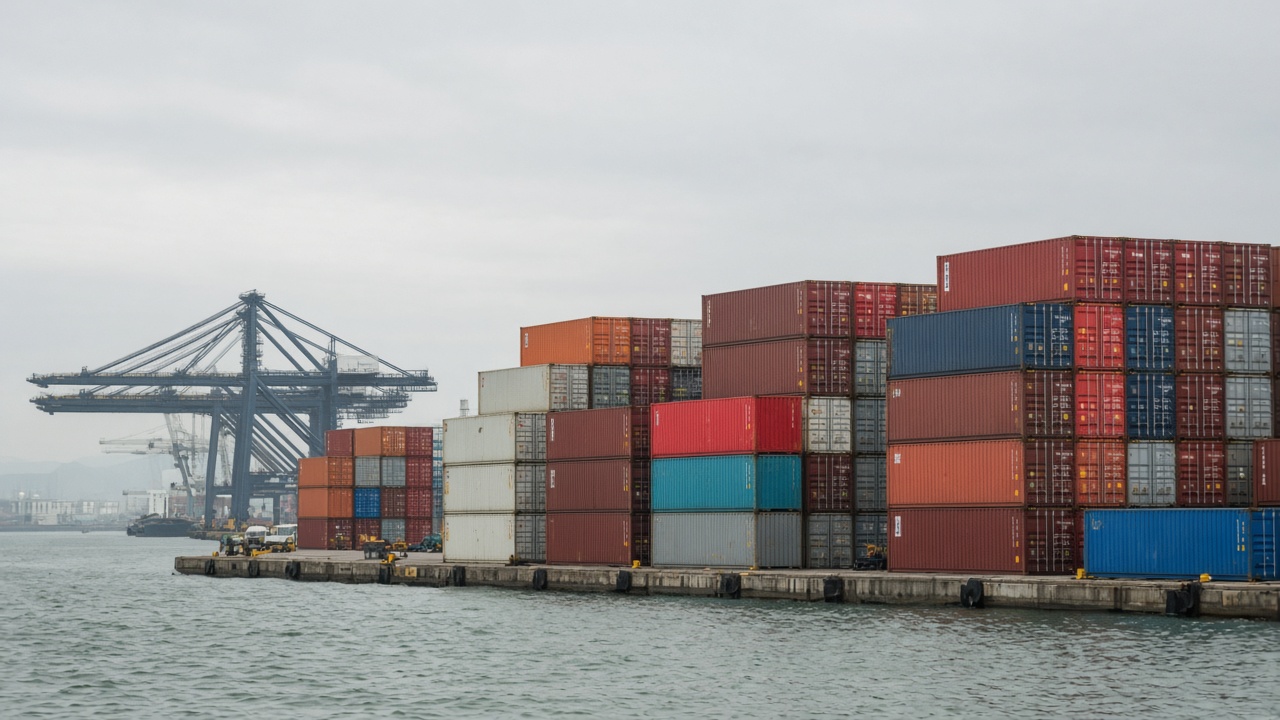
A Google FIIBOOST edge inference node installed at Kaohsiung Port answered Mandarin-language customs queries for freight brokers during a one-week pilot that ended Monday, according to Taiwan Customs and Google Cloud executives briefed on the trial.
The pilot routed questions about harmonized tariff codes and inspection holds to a retrieval model running on localized hardware inside the port’s data room, rather than sending prompts to a U.S. region. Customs officers said average response time on routine lookups fell from 11 minutes on phone hotlines to under 40 seconds on the kiosk interface.
What brokers asked
Participants were limited to 42 licensed customs brokerage firms that volunteered for the test. Popular prompts covered refrigerated container documentation, dual-use electronics classifications, and weekend inspection scheduling. The system declined to answer enforcement cases flagged as ongoing investigations, handing those back to human officers.
Google said the FIIBOOST stack used Tensor processing units cooled with rear-door heat exchangers already deployed in a nearby telecommunications hut. Ministry of Digital Affairs observers recorded token traffic to ensure no bill-of-lading images left Taiwan’s jurisdiction.
Governance and limits
MODA required the model to cite the specific customs bulletin used for each answer, with links back to the official gazette. Brokers could flag incorrect responses; officers said the false-positive rate on tariff lookups stayed below 4 percent after the third day of tuning.
Labor unions representing port clerks asked whether the kiosk would replace overtime shifts during peak import seasons. Customs Administration Director-General Hsieh Meng-chi said the pilot is meant to reduce repetitive phone calls, not cut authorized staffing levels.
Next steps if the pilot scales
Officials will compare error logs with audit samples through November before deciding whether to invite bids for a wider rollout at Taichung and Keelung harbors. Google Cloud’s Taiwan country director said the company is prepared to migrate the workload to a sovereign cloud region if lawmakers finalize data-localization rules pending in the legislature.