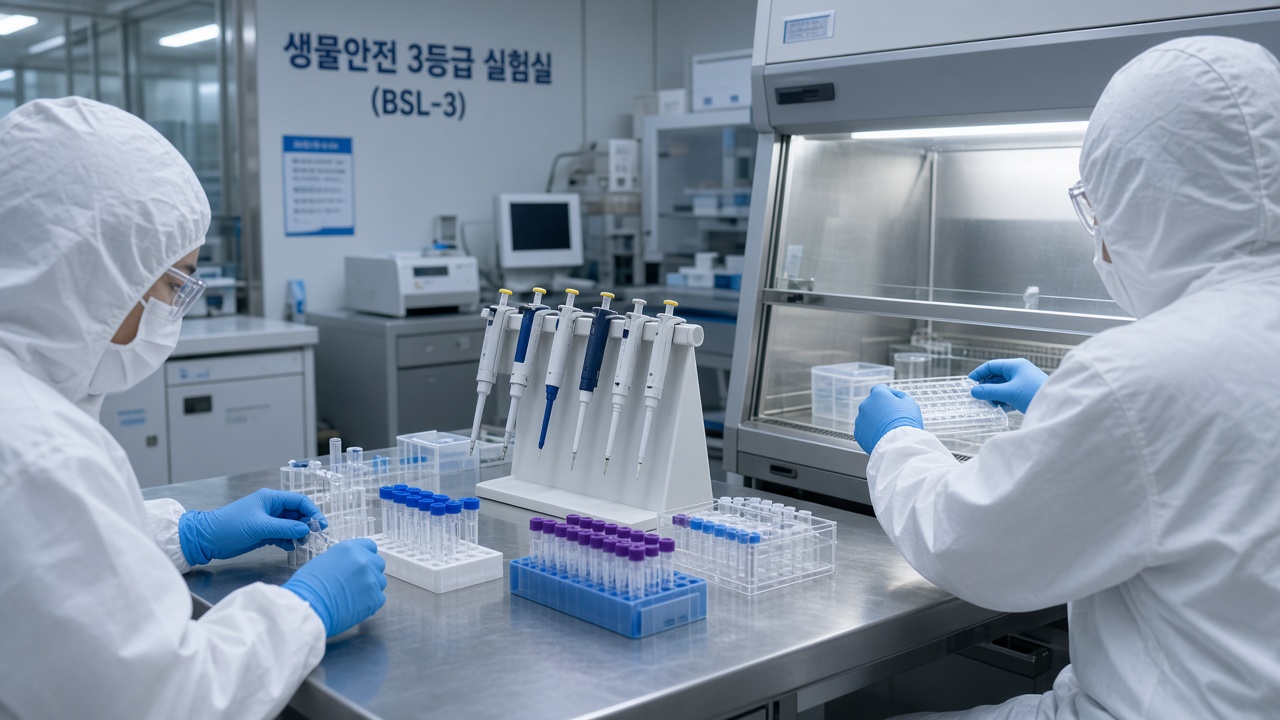
Genetic surveillance by the Korea Disease Control and Prevention Agency showed influenza A(H3N2) subclade K dominating early November respiratory specimens, accounting for about 97 percent of viruses typed in a first-week sample, according to analyses cited in agency briefings and follow-on research notes.
The lineage's rise coincided with a sharp jump in clinic visits for influenza-like illness, giving public-health labs a large denominator of swabs to sequence. Virologists said the speed of K's takeover resembles prior seasons when a single H3N2 branch outran vaccine targets within weeks.
Lab findings
Reference laboratories reported that recent isolates carry hemagglutinin mutations distant from the H3N2 strain chosen for the current Northern Hemisphere vaccine. European Centre for Disease Prevention and Control assessments, echoed in Korean summaries, describe a likely antigenic gap rather than a laboratory artifact.
That mismatch does not mean vaccines are useless. KDCA officials emphasize that immunization still reduces severe outcomes even when it fails to block mild infection. The genetic picture nonetheless explains anecdotal reports of breakthrough cases among vaccinated schoolchildren and seniors.
Surveillance mechanics
Korea's sentinel system pairs clinic ILI counts with PCR subtyping at regional hubs. When positivity crosses epidemic thresholds, genomes are uploaded to domestic databases and shared with GISAID. Researchers use the uploads to map whether imported lineages or on-island evolution drive dominance. Early November data pointed to rapid local expansion rather than a single import event.
Scientists at university hospitals said turnaround from swab to genome shrank to under 96 hours on prioritized lanes, allowing ward staff to anticipate heavier pneumonia admissions among high-risk cohorts.
Implications for spring planning
Vaccine strain selection for the next Southern Hemisphere campaign will scrutinize K's persistence into December. If it remains entrenched, advisers may recommend updating H3 components even before Korea's 2026–27 northern rollout. Antiviral stewardship teams reported normal susceptibility in neuraminidase genes from the latest batch of sequences.
For now, the scientific headline is narrow but important: one H3N2 branch owns the early winter respiratory niche, and surveillance caught the shift while hospitals were still ramping bed plans.
International collaborators said Korean upload volume helps calibrate regional models because testing penetration remains higher than in many neighboring economies. That transparency could accelerate WHO consultations if K drifts further from the recommended vaccine strain before northern midwinter.
County health offices received primer sheets on communicating genetic drift without discouraging vaccination, a balance communicators said will be tested in school newsletters later this month.