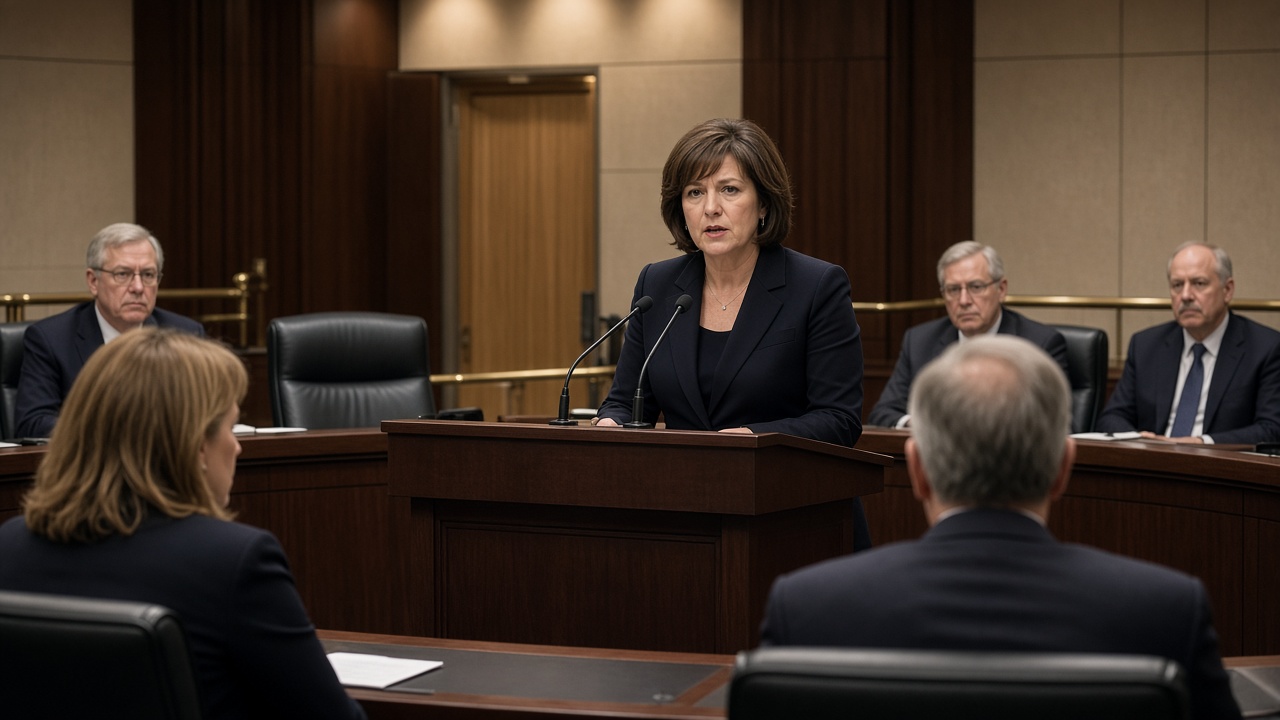
Prime Minister Sanae Takaichi declined opposition demands to retract her Diet testimony that a Taiwan crisis could qualify as a survival-threatening situation under Japan’s security laws, telling the House budget committee on 10 November that she would be more careful about naming concrete cases but would not walk back the legal framing. Akari Kato’s politics desk watches Beijing lodge same-day protests while Tokyo tries to keep Diet rhetoric from hardening into a unified government white-paper line.
What she said in committee
Responding to Constitutional Democratic Party questions, Takaichi reiterated that her earlier answers assumed worst-case scenarios and did not alter prior cabinets’ positions on collective self-defense. She called naming particular contingencies in parliament a "reflection point," promising restraint on specifics going forward while refusing retraction.
On whether the remarks constitute an official government view, she said she does not plan to issue a unified prime-ministerial statement codifying every hypothetical—leaving MOFA diplomats room to repeat boilerplate on peaceful cross-strait relations in other channels.
China’s response
China’s foreign ministry protested vigorously, accusing Tokyo of hinting at military intervention around Taiwan. The exchange followed controversial social-media posts by a senior Chinese consul that Japan had already challenged. Kato notes the sequence keeps U.S. alliance managers on phone trees even when markets trade through the headlines.
Other committee business the same day
The hearing also covered primary-balance timetables, income-tax "wall" debates, northern territories ministerial discipline after an ill-phrased remark, and Ishin-initiated Diet seat reductions. Security headlines drowned out fiscal specifics in afternoon wires—a pattern opposition parties exploit to keep coalition partners split on defense spending floors.
What changes for policy
No new legislation moved; the Self-Defense Forces procurement calendar continues on prior budgets. The practical shift is rhetorical: a prime minister willing to utter survival-crisis language in committee while stopping short of cabinet-level doctrine. Neighborhood militaries parse the gap between those two layers.
Bottom line
Takaichi chose persistence over apology on Taiwan legal categories, paired with a pledge to mute examples. For readers in Japan, the takeaway is that Diet words now move forex and diplomatic notes even when no troop orders follow—budget committee mornings are foreign-policy events.
Alliance consultations
U.S. embassy channels typically seek clarity when a Japanese prime minister tests survival-crisis vocabulary in open session. Kato reports no treaty change but expects quiet reaffirmation of Article 5 contours and logistics cooperation drills already on the calendar. Australian and Philippine counterparts watch Diet YouTube clips as closely as MOFA press releases.
Domestic legal scholarship
Constitutional scholars split on how hypothetical committee answers interact with cabinet decisions under the 2015 security legislation. University forums this month will recycle Monday’s transcript; that secondary literature shapes how media lawyers quote “government position” in editorials even absent a unified written view.
Market reaction
Defense primes saw modest index beta on the hearing day rather than single-name spikes, suggesting equity desks treat the exchange as diplomatic noise unless procurement annexes move. Yen did not gap on MOFA protest headlines—FX options flow into week-end looked like hedging for U.S. legislative risk, not Tokyo committee clips alone.
North Korea and broader region
Committee members also probed northern territories phrasing after Okinawa ministerial remarks drew telephone reprimands from the prime minister’s office. The Taiwan and territorial threads share a media cycle: opposition parties bundle them to paint coalition diplomacy as accident-prone, even when MOFA releases unchanged boilerplate in English and Chinese the same afternoon.
Public opinion
Snapshot polls after the 7 November answers showed divided respondents on explicit Taiwan contingencies; Monday’s hearing did not move those numbers much, but social platforms amplified clips of China’s protest, feeding domestic debate about consular rhetoric and nationalist backlash risks for Japanese citizens in mainland cities.
Procedure calendar
Budget committee questioning continues through the extraordinary session with income-tax threshold debates likely to crowd the same agenda as security sound bites. Opposition parties filed follow-up written questions requiring cabinet replies within statutory windows, keeping MOFA and defense bureaucrats on transcript duty even when markets trade headlines down by mid-week.