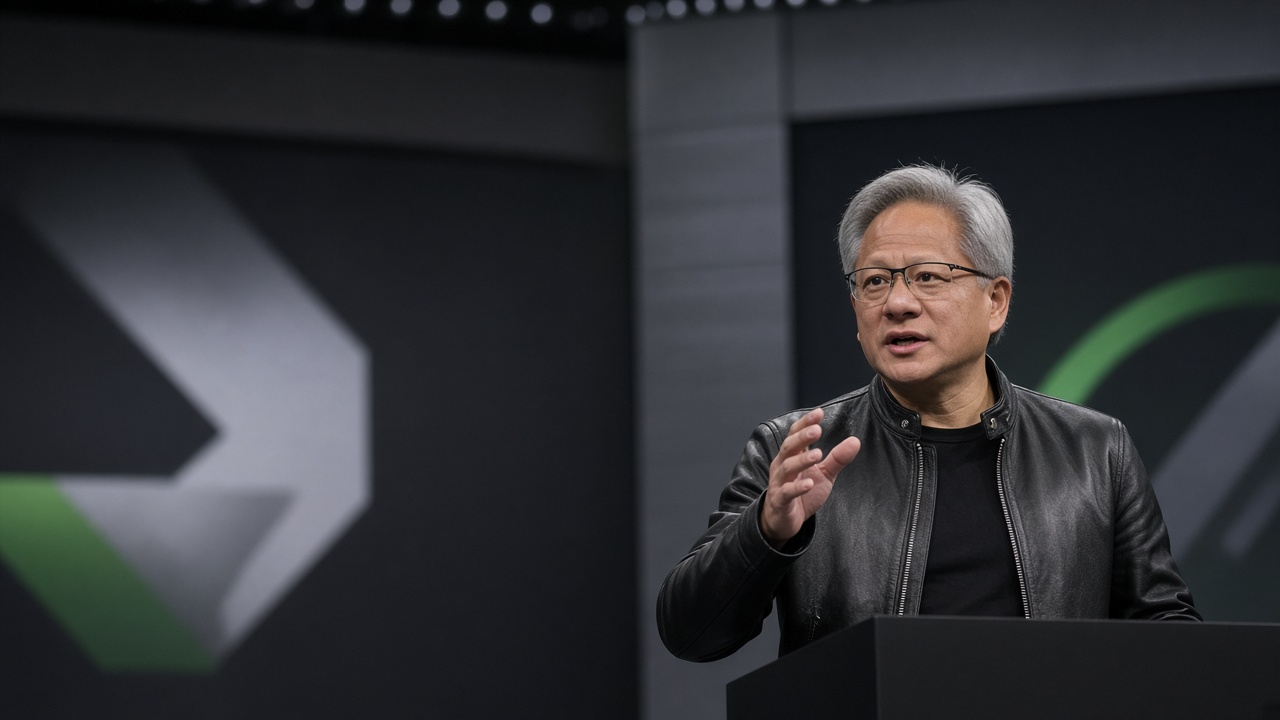
Nvidia’s board said Sunday it has opened an independent investigation into whether founder and chief executive Jensen Huang was the target of a foreign intelligence effort, a move that landed on Wall Street just as Huang publicly acknowledged marital infidelity and President Donald Trump told reporters the Federal Bureau of Investigation is examining the affair.
What the board ordered
In a statement posted to Nvidia’s newsroom, the company said a committee of independent directors, assisted by outside counsel, will oversee the inquiry. The board said it prioritizes U.S. national and economic security and has “no reason to believe” either national security or Nvidia secrets were compromised, but that the review will examine all available information. Huang, the company added, fully supports the probe and will cooperate.
The announcement followed reporting, including in the New York Times and subsequent explainers from wire services, that U.S. intelligence officials concluded a Chinese businesswoman who developed a personal relationship with Huang had been used by Beijing. Nvidia has not named the individual in its corporate statements. Huang on Sunday apologized to his family for being “unfaithful,” without addressing intelligence claims directly in that comment.
Washington and Beijing react
Trump said Monday he spoke with Huang and that Huang told him he did not know the woman was a spy, according to accounts from the BBC and other outlets. The BBC reported the FBI declined to comment when asked about Trump’s remark. Republican lawmakers had already sought closed-door briefings from Huang on export-control and espionage protocols after the Times report.
China’s foreign ministry dismissed the allegations as smears. The dispute sits at the intersection of U.S. export restrictions on advanced artificial-intelligence chips, Singapore-based cloud partners that sell Nvidia hardware in Asia, and congressional scrutiny of the company that has become a bellwether for the AI trade.
Market and governance stakes
Investors sold the stock sharply in Monday’s session; market data and business wires put the decline at more than six percent, pulling Nvidia’s share price back toward the mid-$170 range after months in which AI infrastructure spending had kept the name near record territory. The board said it retains confidence in Huang and his leadership team and will provide further updates as appropriate.
For governance watchers, the case tests how a dominant semiconductor supplier handles personal conduct allegations that overlap with national-security reviews. The independent committee structure mirrors prior U.S. corporate responses to intelligence-adjacent reporting, but the simultaneous FBI comment from the White House adds a public law-enforcement layer Nvidia’s statement did not address.
What happens next
The board gave no timeline for the investigation. Congressional hearings and staff briefings are likely to continue while U.S. agencies study Singapore-linked firms named in prior export-control reporting. Huang remains chief executive. Until the committee reports, customers and regulators will watch whether Nvidia tightens executive security protocols or adjusts how it vets partners in markets where Washington restricts chip shipments to China.