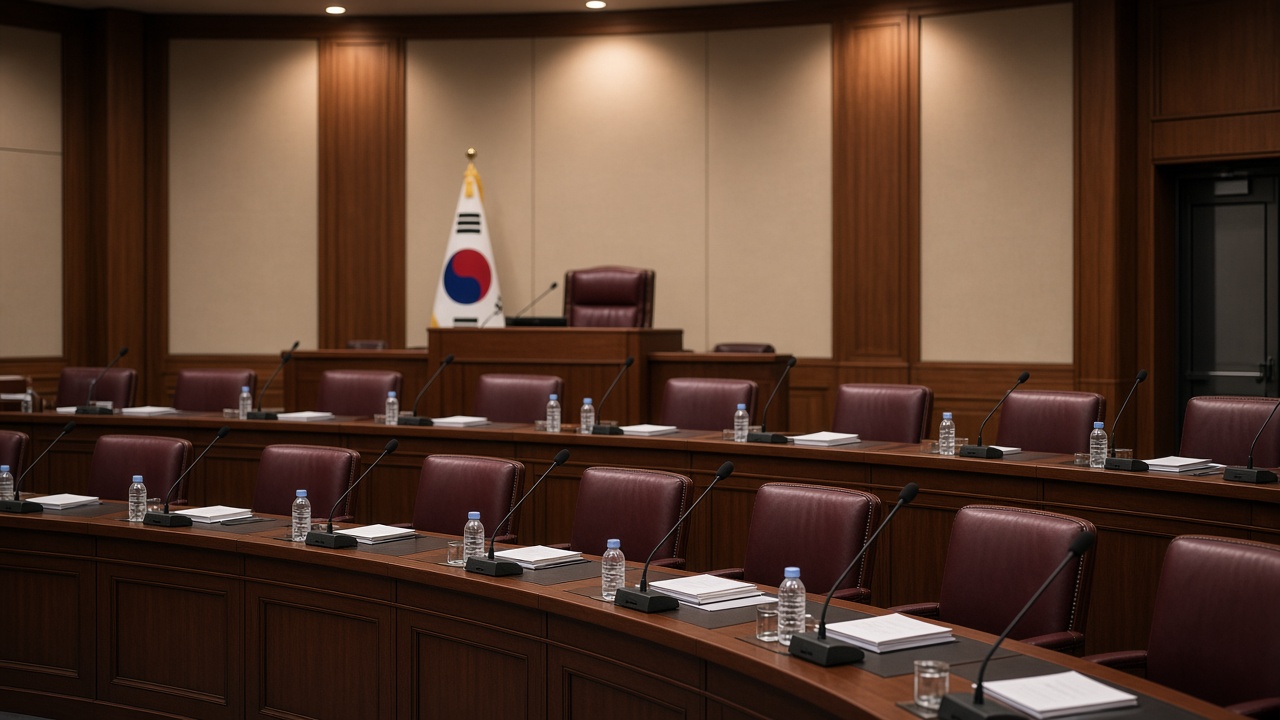
InfoHandle Editorial. The National Assembly’s tax panel paused a government push to replace estate taxes with an inheritance-acquisition levy after revenue analysts priced the shift at a two-trillion-won hole. That pause is less a policy choice than a refusal to name who absorbs the cost when controlling stakes move between generations.
The fight is arithmetic, not ideology
Advocates argue acquisition-based taxes reduce friction when multiple heirs split factories and apartments, potentially keeping medium-sized businesses intact. Critics call the model a quiet rate cut for consolidated wealth because lower brackets apply per beneficiary. Both sides cite fairness; neither wants to publish the distribution tables that would show which families gain.
Committee chairman Park Su-young told reporters the panel cannot advance bills without hearing schedules and supplementary revenue offsets. Yet the same committee stacks dozens of minor tax bills each quarter. The inheritance package is different because it moves money at the top of the distribution—where political donations and media narratives concentrate.
What gridlock preserves
Freezing the bill keeps the existing estate regime that many chaebol families already plan around with insurance trusts and staggered gifts. Delay also avoids a pre-election fight about “wealthy relief” that both major parties dread. The cost is continued opacity for mid-sized exporters whose founders age without a clear succession tax path.
A credible path requires numbers
If lawmakers believe acquisition-based taxation boosts investment, they should publish decade-long simulations showing small-business closures avoided and offsetting hikes—perhaps on passive financial holdings or uncapped deductions. If they believe the current estate tax protects equality, defend its brackets openly instead of letting the bill stall in procedural fog.
Bottom line
Korea does not need another abstract debate about taxing death. It needs a published ledger: who pays, who saves, and which ministries backfill two trillion won. Until that table exists, shelving the bill is not prudence; it is avoidance—and families with the best accountants will keep winning by default.
Regional fallout
Provincial governors warned that farmland estates split among non-farming heirs already clog local tax offices. Acquisition-based models could speed those filings, but only if agricultural exemptions survive committee markup—a detail still missing from public drafts.
Clerks and calendars
Committee staff said they need at least three public hearings and a revenue-neutral score before any markup vote. That timeline barely clears the winter session unless leaders waive other tax items. Delay therefore functions as a default outcome, not an accident.