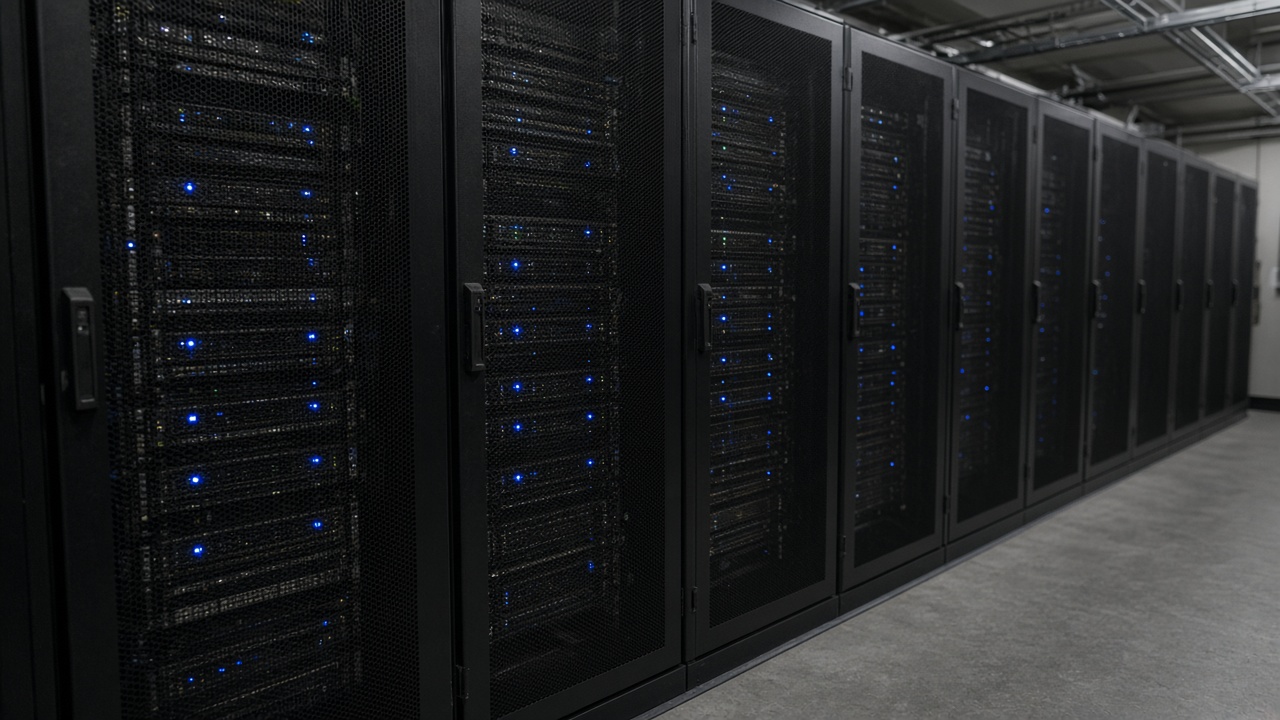
Quanta Cloud Services published hourly rental rates for GPU pods housed in its Taoyuan and Taipei facilities, targeting Mandarin large-language-model shops that need short fine-tuning windows without signing U.S. cloud contracts. The catalog lists NVIDIA H100 and L40S configurations with bundled RAM, NVMe scratch, and Mandarin-speaking support desks during Taipei business hours.
Startup founders in Neihu’s AI cluster described the offering as cheaper than shipping data to Midwestern hosting regions when latency to domestic users must stay under 30 milliseconds. Quanta positions the service beside its server manufacturing business, which already ships racks to hyperscalers.
What is for rent
According to the public price sheet mirrored on Quanta’s developer portal, single-GPU H100 instances start near NT$95 per hour with monthly caps for academic partners. Multi-GPU nodes require reserved blocks of at least 72 hours to guarantee fabric bandwidth. Security baselines include private VLANs, encrypted object storage, and logging hooks compatible with Taiwan AI Basic Act draft requirements discussed in October hearings.
Quanta emphasizes that pods run in Taiwan jurisdiction, simplifying reviews for banks and health agencies that cannot move patient data offshore. Customers bring containers with approved AI stacks; Quanta supplies CUDA drivers and a bare-metal hypervisor without training customer weights itself.
Demand picture
MediaTek’s rebound and renewed PCB orders this month drove secondary demand for inference capacity among ad-tech and customer-service bot vendors. Many teams previously shared National Center for High-performance Computing queues. Quanta’s rentable pods let them burst training jobs while waiting on government allocation renewals.
Competition remains: Chunghwa Telecom and Taiwan AI Cloud nodes under NARLabs still dominate public-sector tenders. Quanta pitches speed to market for fabless designers validating vision models on factory floors. Pricing will move with spot memory costs and power rates tied to Taipower’s industrial tariffs.
Buyer checklist
Teams should compare egress fees, on-call response times, and whether weights must be deleted after sessions to satisfy client NDAs. Quanta requires billing through domestic corporate accounts, which keeps FX risk off small studios. Watch whether upcoming export-control updates on advanced accelerators change which cards appear in Taiwan lists; U.S. rules still govern the underlying silicon even when the cage is in Luzhu.
Academic partners can stack Ministry of Education research vouchers when booking pods longer than two weeks, though paperwork must cite project IDs before midnight on the billing cycle close.