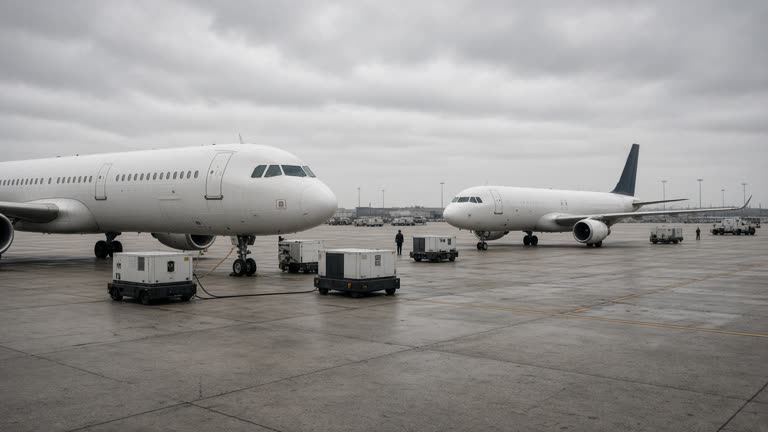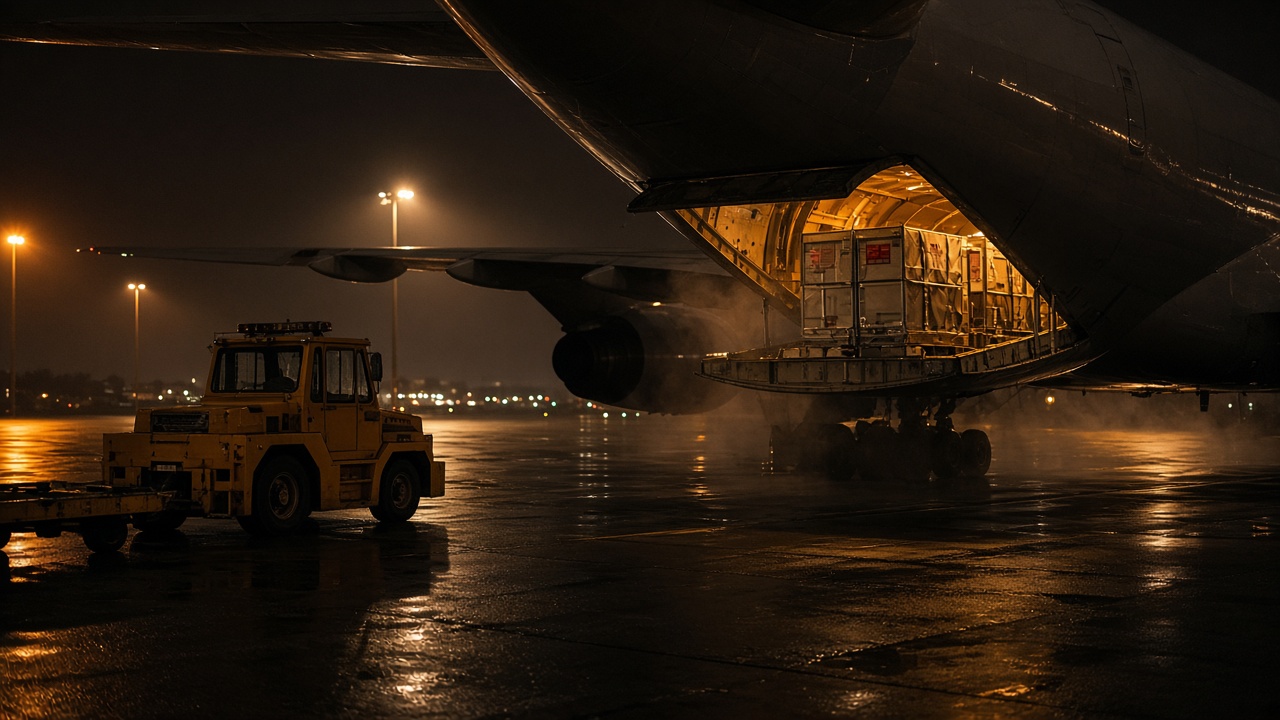
All Nippon Airways and Japan Airlines plan to deploy Level 4 self-driving cargo tractors at Tokyo’s Haneda Airport freight aprons, Nikkei reported, targeting routes that haul unit load devices between aircraft stands and sortation buildings without a safety driver onboard during defined legs. The project lands as Narita and Haneda face nighttime staffing gaps while inbound e-commerce parcels keep growing.
What Level 4 means on an apron
Japan’s road regulators classify Level 4 automation as operation within geofenced zones where the system handles all driving tasks; airport aprons fit that envelope because speeds stay low and routes repeat. Nikkei said trials will start with safety stewards who can intervene remotely, then graduate to unattended legs once Japan’s transport ministry signs off on the joint ANA-JAL specification.
Cargo tractors differ from passenger gate buses: they must align precisely with aircraft cargo doors and tow multi-ton ULD dollies without jolting fragile electronics shipments. Autonomous vendors therefore map apron paint lines and jet blast areas months before moving employees out of cabs.
Why Haneda first
Haneda’s domestic slot constraints push more wide-body freight into overnight banks where human drivers face curfew noise rules and shift limits. Automating predictable tractor loops frees handlers for paperwork-heavy tasks tied to pharma cold-chain audits and express parcel transfers to Narita truck lanes.
Both carriers already operate IoT-tracked ULD fleets; feeding tractor telemetry into the same data lake would let ground teams predict gate turn times more accurately. ANA Cargo and JAL Cargo marketing teams could also sell reliability SLAs to forwarders once autonomous legs shrink variance in minimum connection times.
Regulatory and union context
Japan Federation of Aviation Workers’ Unions locals have asked for retraining guarantees when autonomous tractors displace driving shifts. Ministry of Land, Infrastructure, Transport and Tourism briefings in prior airport autonomy pilots emphasized that safety cases must show obstacle detection in rain and in sodium glare reflected off wet aprons.
Vendors from Toyota Group affiliates and domestic startups have tested similar tractors at smaller airports; Haneda’s density raises collision stakes with wing walkers and catering trucks sharing the same lanes.
Passenger spillover
Autonomous cargo paths do not directly touch passenger jet bridges, but shared Wi-Fi backbones and security perimeters link the programs. IT outages that halt tractor fleets could still delay belly cargo on passenger wide bodies, a risk operations centers will bake into December schedules when influenza-driven absenteeism rises.
Timeline
Nikkei did not publish a firm service date, but both carriers historically stage technology rollouts after Golden Week traffic peaks. Forwarders should expect pilot lanes on the Haneda cargo city north apron before Narita copies the playbook, given Haneda’s tighter real estate and higher parcel density per square meter of warehouse.