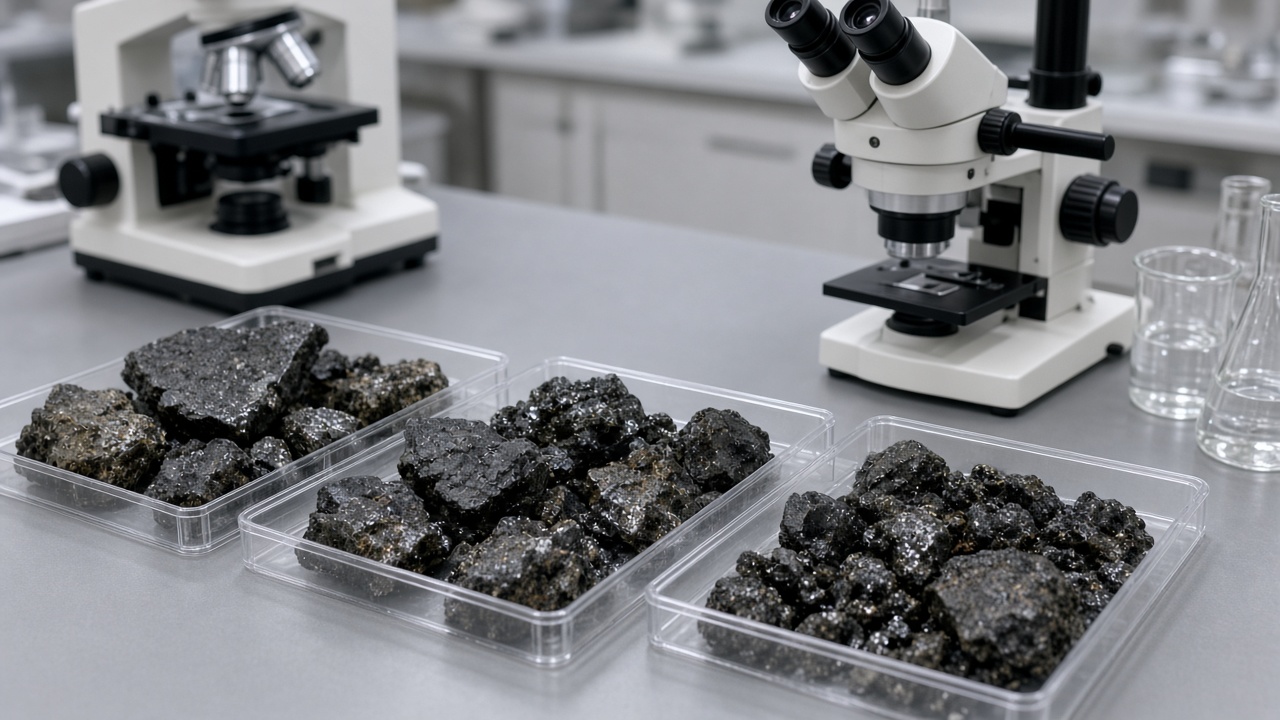
A POSTECH-led research group published trace-metal maps of manganese nodules hauled from the Ulleung Basin, logging 840 kilograms from 3,200-meter remotely operated dives completed in October after typhoon delays.
What the samples show
Laboratory assays found nickel and cobalt grades averaging 1.4 percent and 0.8 percent by dry weight, within the band Pacific contractors reported but below some Atlantic nodule fields. Sediment cores taken beside the nodules indicate relatively low biodiversity disturbance if collectors limit passes to 15 percent of a 25-square-kilometer pilot block, the team wrote in a data release posted Sunday.
The Ministry of Oceans and Fisheries is weighing whether Korea should process nodules domestically or export concentrates to existing smelters in Japan and Indonesia. POSTECH argued that a Pohang pilot refinery could handle 60,000 tonnes a year if electric-arc furnaces shared infrastructure with POSCO's stainless lines, though that idea remains speculative and politically sensitive near residential districts.
Environmental and industry stakes
Environmental groups on Ulleung Island asked for public hearings before any mining licence moves forward, citing sperm-whale sightings logged during the cruise. KIOST, which supplied the research vessel, said whale observers halted dredging twice when acoustics picked up nearby pods.
Battery makers watching cobalt prices on the London Metal Exchange said published Ulleung grades are not yet high enough to displace land-mined supply, but they want the dataset for stress-testing cathode recipes if deep-sea feed becomes commercial after 2030. The National Assembly's oceans subcommittee scheduled a December briefing on seabed mining tax credits tied to the samples.
Investors in small-cap offshore contractors bid up two exploration names Monday, but volumes were thin and unrelated to POSTECH's non-profit release. The university said raw data files will be open for academic download under a government commons licence through June 2027.
Geologists on the cruise mapped fracture zones where nodules cluster, suggesting future collectors could target ribbons rather than blanket dredging. That detail matters for insurers pricing environmental liability policies on nascent seabed miners.
POSCO officials attended the data briefing as observers but issued no statement on refinery sharing, underscoring how politically charged domestic smelting proposals remain.
Commercial fishing cooperatives requested a 500-meter buffer from dredging tracks; POSTECH mapped those lanes in the open dataset released Sunday.