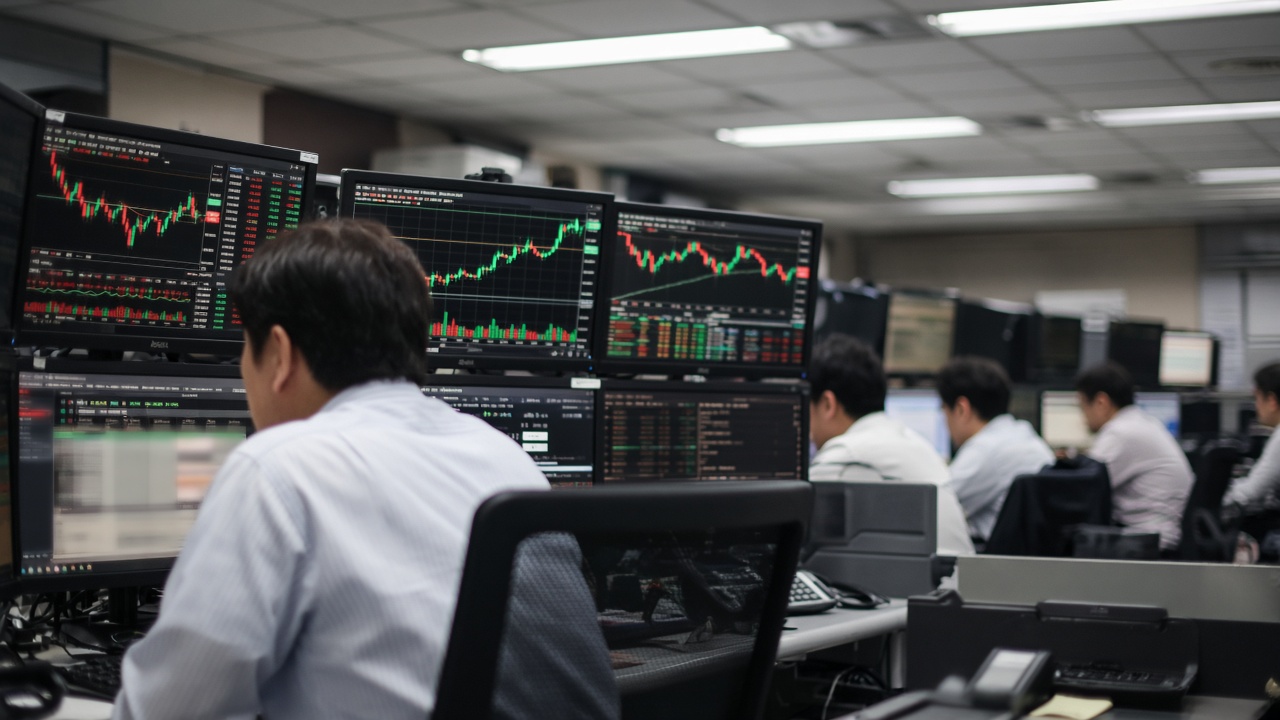
The won opened at 1,468.90 per dollar in Seoul on Monday, about 4.2 won weaker than Friday's close, as exporters converted overdue receipts and importers added short-dated cover before U.S. November payrolls.
Who traded and why
Three onshore banks told InfoHandle that automakers and memory-chip exporters sold roughly $1.1 billion combined in the first 90 minutes, mostly maturing forwards that would otherwise roll into year-end. Hedge ratios for those groups have been above 70 percent since the Bank of Korea lifted the policy rate to 3.25 percent on November 26, and treasury teams are reluctant to carry unhedged dollar exposure into December dividend payments.
Importers of aviation fuel and industrial gases were on the other side, buying one- and three-month contracts after freight forwarders warned that December bunker prices could rise if Red Sea insurance premiums stay elevated. A chief dealer at a mid-tier bank said flows were "two-way but biased to exporter selling," which matched the conversation in Kospi futures, where foreigners were small net buyers of index contracts after selling 2.06 trillion won of cash equities on Friday.
Links to the equity tape
Currency strategists at KB Securities noted that every 10-won move in the dollar-won rate shaves about 0.3 percent off Kospi earnings for the heavyweight exporters basket. That math kept foreign real-money accounts cautious in morning equities even as domestic pension funds picked up battery-material names that sold off with the won on Friday.
The Ministry of Economy and Finance did not intervene in the opening window, according to two market participants, and the Bank of Korea's FX stabilization account was unchanged on its daily statement. Traders instead watched offshore NDFs, which priced the won near 1,472 for the one-month tenor, a modest premium to onshore that suggests hedging demand rather than speculative short-won bets.
Retail investors through non-deliverable channels added small dollar buys via mobile banking apps, bankers said, though volumes were far below the spike seen during August's volatility. For households, the practical effect is on imported fruit and coffee prices heading into the holiday season; a major supermarket chain told suppliers it would reset some shelf tags on Wednesday if the won stays above 1,470 through Tuesday's fixings.
Dealers expect thinner liquidity on Tuesday because of a public holiday in the United States, which may keep exporters on the sidelines until payrolls print Friday night Korea time.
State-run export financier K-sure said Monday applications for short-dated hedge guarantees rose 11 percent week on week, mostly from auto-parts makers shipping to Mexico and eastern Europe. Their treasury desks mirror the chaebol practice of rolling hedges monthly rather than quarterly.