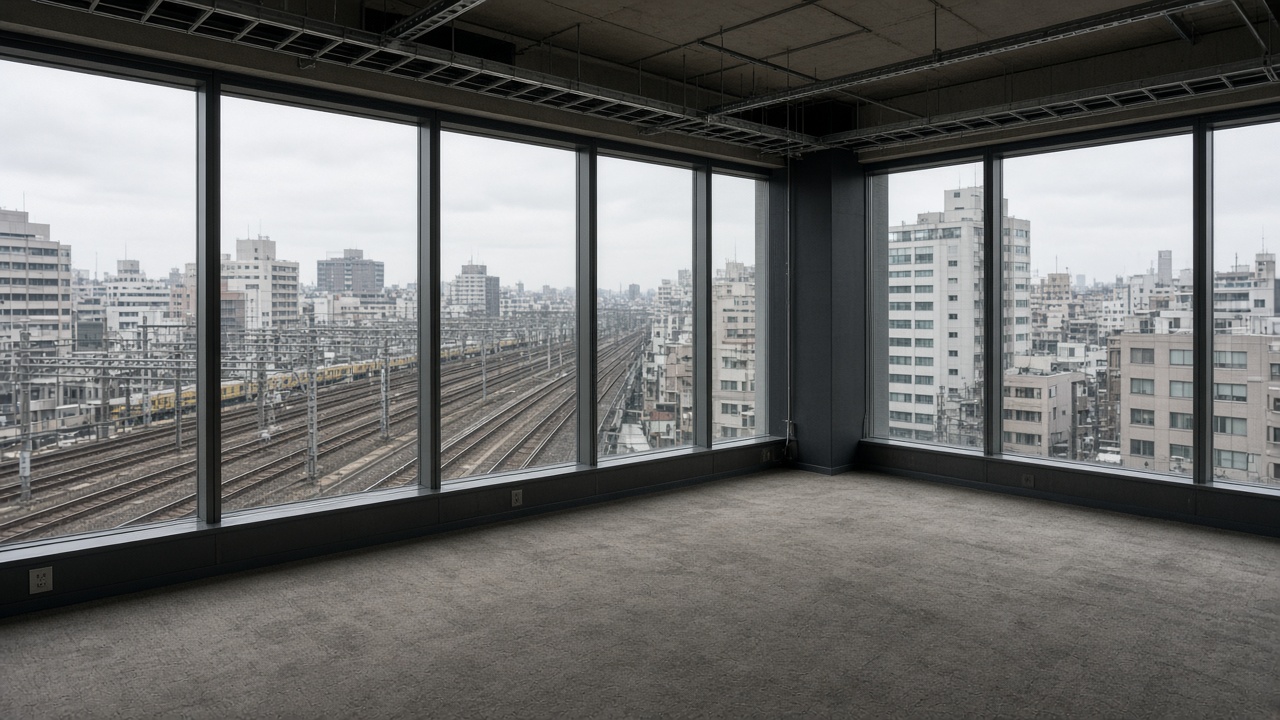
Mitsubishi Estate has reopened internal leasing spreadsheets on two Marunouchi towers after a wave of mid-year move-outs pushed block-level vacancy above the broker quotes it had been showing tenants, a rare wobble inside a portfolio that still reports sub-one-per-cent vacancy across the district.
What changed on the desk
Leasing teams at Mitsubishi Estate told brokers this week that incentive packages on Shin-Marunouchi Building and Marunouchi Park Building would return to a published matrix after three financial-services tenants consolidated floors elsewhere in Tokyo, according to people briefed on the calls. The company had briefly paused discretionary rent-free months while it repriced contiguous slabs that had been marketed as a single 4,000-square-metre stack.
The reset does not reverse headline rent growth. Chief executive Junichi Seki told investors in May that Marunouchi vacancy stood at 0.55 per cent at fiscal year-end March 2026, and first-quarter materials show the rate falling further to 0.49 per cent by June. The spike investors are reacting to is localized: two blocks where departures arrived faster than backfill, not a district-wide loosening.
What filings already show
Mitsubishi Estate's data book puts Tokyo central five-wards market vacancy at 2.22 per cent in March 2026 against 1.95 per cent for its nationwide office portfolio and 0.55 per cent in Marunouchi alone. That spread is the story leasing desks are selling—tight supply in the DaiMaruYu cluster even when broader Tokyo sees more empty desks from new supply in the bay area.
Operating profit in the Marunouchi property business rose ¥2.6 billion year on year in the June quarter, driven by positive rent reversions on existing leases and flexible-office income. Seki's Q&A stressed that most FY2026 profit growth in the segment should still come from office leasing rather than asset sales, which means every month of rent-free on a large floor hits the same line item analysts watch.
Who wins and loses inside
Asset managers who had been holding out for single-digit vacancy premiums on Park Building corners must now compete with internal comps from Shin-Marunouchi, where two floors re-entered the market without a named anchor. Tenants expanding from Otemachi flex space can negotiate harder on fit-out allowances while Mitsubishi Estate's area-management team pushes retail and event programming to keep foot traffic visible to prospective occupiers.
Property-management staff said engineering checks on handed-back floors started earlier than usual because summer humidity exposed deferred carpet replacement—a cost the landlord may absorb to avoid extending downtime. Facilities budgets for the September quarter were not revised publicly, but building managers were told to prioritize move-in readiness over discretionary lobby upgrades.
Brokers and the next quarter
Third-party brokers noted that Mitsubishi Estate's vacancy-notification portal still invites inquiries on unpublished space, a channel large tenants use when they want quiet tours. Publishing a refreshed concession table makes it easier for competing landlords to undercut on rent-free, which is why the desk had kept deals informal during the spike.
Redevelopment timing adds pressure. The company lists the Marunouchi 3-1 project—combining Kokusai and Teigeki buildings—for completion around 2030 while continuing rent growth on legacy stock. Every month of downtime on a soon-to-be-redeveloped asset is weighed against carrying income; the two towers in question are not on that demolition list, so leasing math favors quick re-tenanting even if incentives widen.
What happens before year-end
Investors will watch September tour counts and whether flexible-office partners absorb part of the returned space on short licences. Mitsubishi Estate shares have traded on the narrative that Marunouchi scarcity supports rent reversions; a localized vacancy spike tests that story without breaking the portfolio average.
If backfill slips into the December quarter, expect more explicit broker co-broke and possible shorter lease terms on the affected floors. If deals close by October, the reopened spreadsheet will look like a one-month administrative reset rather than a turn in the cycle. Either way, the company's decision is to stop improvising concessions and put numbers back on paper—exactly the kind of quarter-to-quarter call David Wong's desk tracks when a landlord's release says vacancy is low but the block manager's whiteboard says otherwise.