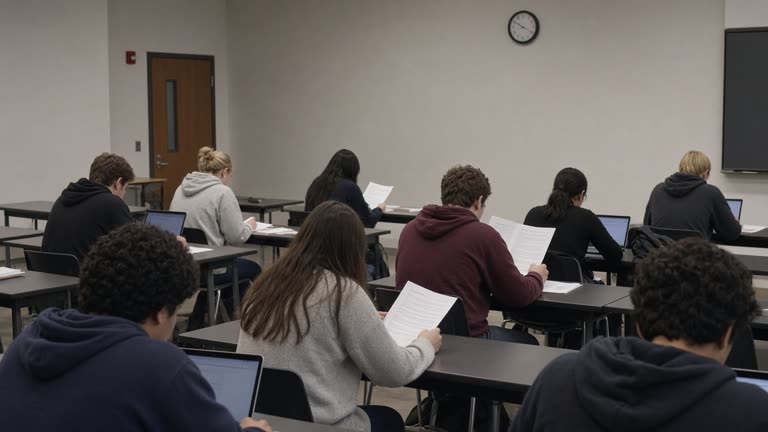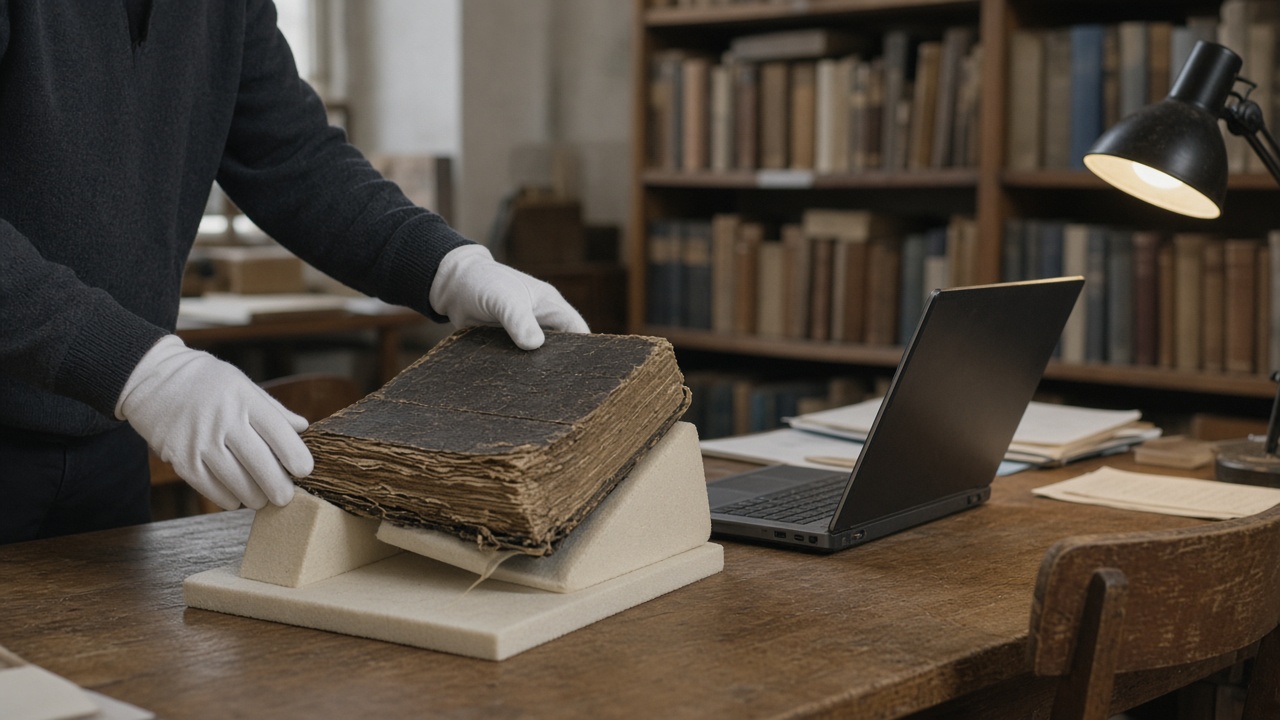
Ashoka University’s history programme will require doctoral candidates to attach provenance tags to archival thesis chapters beginning this semester, after a library audit found uncited scans from colonial-era repositories in two nearly completed dissertations, according to a graduate committee memo students received Monday and guidelines the Ashoka archives team posted for faculty advisers.
What a tag must contain
Each photograph or transcription pulled from external archives must list repository name, collection series, folio or accession number, date of access, and the staff member who issued the reproduction permission. Tags export as machine-readable JSON appended to PDF submissions in the university’s thesis portal—similar to museum catalogue fields, not a new citation style replacing Chicago footnotes. Candidates still cite in notes; tags let examiners verify images were not lifted from open web galleries mislabelled as primary sources.
Why history led
The audit focused on dissertations using India Office Records microfilm and regional Urdu periodicals held at private foundations. Reviewers found two cases where JPEGs matched watermarked previews from commercial databases without subscriptions. Ashoka’s library does not hold physical copies of every colonial file students quote; provenance tags force a paper trail back to reading-room registers the National Mission for Manuscripts encourages but rarely enforces at private universities.
Graduation gate
The graduate committee tied viva scheduling to tag validation—automated scripts flag missing accession numbers before examiners receive final drafts. Faculty can grant waivers for oral-history projects with anonymised subjects, but not for archival chapters. UGC minimum standards already demand plagiarism checks; Ashoka adds metadata integrity as a departmental layer, not a national mandate.
Student workflow
Archivists run weekly clinics on photographing fragile folios without flash and on hashing files at download so later edits are detectable. Students photographing at the Indian Historical Records Commission depository must upload registrar stamps as supplementary images. The policy discourages relying on second-hand PDFs circulated on department WhatsApp groups—a practice advisers said spiked during pandemic closures.
Limits and pushback
Some candidates argued tags burden fieldwork in districts where archives lack digitised inventories. The committee allowed narrative provenance paragraphs for repositories that issue only handwritten slips, provided supervisors countersign. Commercial database licences remain the student’s expense; the library will not bulk-purchase India Office scans absent faculty grant proposals.
Broader signal
Private liberal-arts universities face scrutiny whenever public institutions debate thesis fraud. Ashoka’s move is narrower than national plagiarism database expansion—it targets primary-source traceability in history, not STEM lab notebooks. Peer departments in political science may adopt tags for declassified files next term if the JSON schema stabilises.
Until viva season ends, the operational test is whether examiners actually open tag files or treat them as checkbox compliance. For students, the immediate requirement is documenting every folio touch before binding—not just quoting cleanly in footnotes.