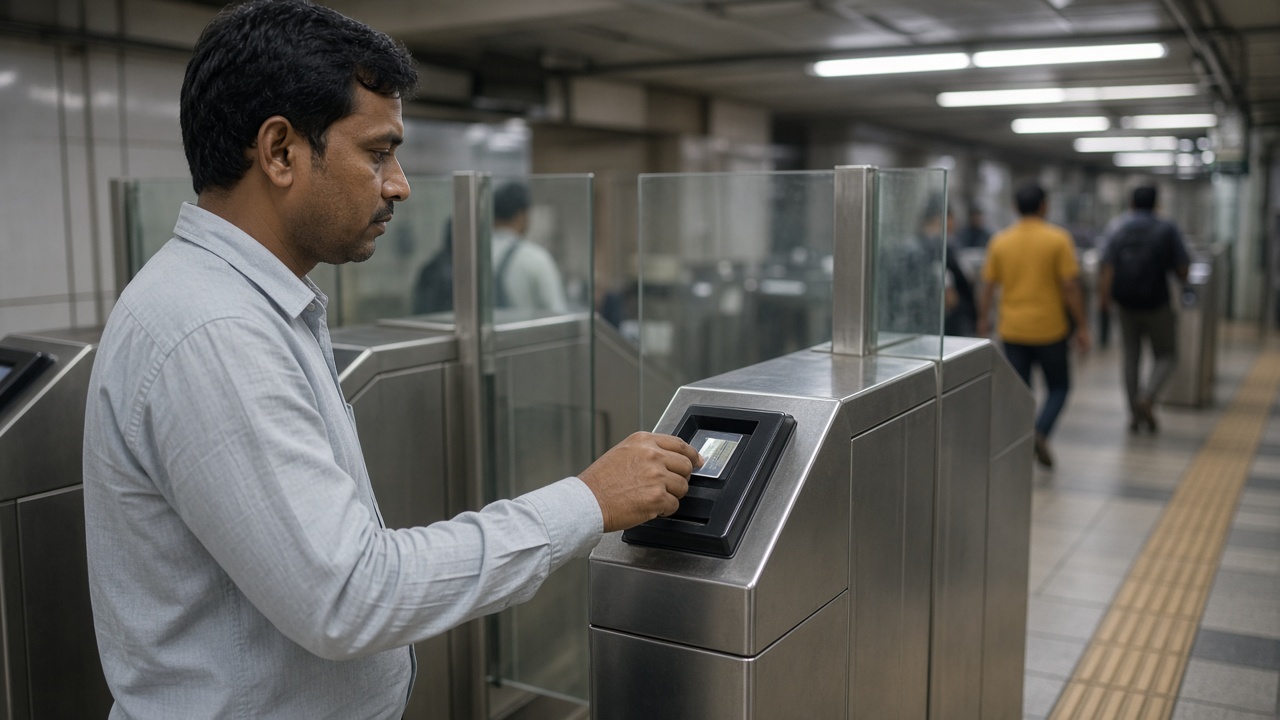
ICICI Bank updated terms for its Coral credit card so reward points earned on Delhi Metro, Bengaluru Namma Metro and other transit merchant codes will not expire for 36 months from the posting date, provided monthly transport spend stays within the ₹10,000 cap introduced in February 2026, according to MITC addenda circulated to cardholders this week.
What changed on the statement
Coral historically mirrored the bank’s three-year expiry for general retail points, a rule that punished commuters who loaded metro wallets monthly but redeemed slowly. The September revision creates a transit sub-ledger: points from MCCs classified as local transport, passenger rail and toll payments inherit the longer life, while utility and insurance spends keep the standard schedule.
Cardholders still earn two reward points per ₹100 on retail spends and one point on utilities, but only the first ₹10,000 of transport spend per statement cycle qualifies for accelerated earn under the 2026 cap regime Finology and other reviewers documented when ICICI announced wallet-load fees and transport surcharges above ₹50,000 monthly.
What this costs in rupees
At ICICI’s typical redemption value of roughly ₹0.25 per point, a commuter spending ₹8,000 a month on metro top-ups accumulates 160 points, or about ₹40 face value—modest until compounded across a year. The meaningful gain is avoiding forfeiture: InfoHandle calculated that a cardholder who let 6,000 transit-tagged points expire last financial year lost roughly ₹1,500 of notional value, before considering lounge or movie benefits.
Missed EMI on the Coral still triggers standard penalty interest and could suspend rewards accrual entirely; the expiry tweak does not soften credit delinquency rules.
Issuer logic amid 2026 revisions
ICICI’s January–February 2026 changes also made domestic lounge access spend-gated at ₹75,000 per quarter and capped transport earn—moves that drew complaints from salaried users in NCR and Bengaluru. Extending transit point life is a low-cost concession that keeps metro users on Coral instead of switching to RuPay NCMC wallets or rival HDFC Millennia cards.
Official product pages still list four complimentary railway lounge visits annually; metro tagging does not replace those visits but shares the transport MCC family for earn purposes.
What to verify before Navratri travel
Cardholders should confirm metro merchants post under eligible codes—UPI loads through third-party apps may miss the transit sub-ledger if classified as wallet funding, triggering the 1 per cent fee on loads above ₹5,000. ICICI’s call centre scripts reviewed by InfoHandle instruct agents to reclassify disputes within two billing cycles if customers show gate receipts.
For households budgeting festival travel, the practical takeaway is simpler: tap the Coral at the turnstile, stay inside the ₹10,000 monthly transport cap, and treat points as rupees that now survive three full years instead of silently lapsing after a missed redemption window.
NCR and Bengaluru commute math
Delhi Metro’s airport express and standard lines both support contactless bank-card taps at select gates; Bengaluru’s Namma Metro expanded similar acceptance on Purple Line phases commuters use for tech-corridor offices. A software engineer in Gurugram who spends ₹200 a day on round trips said the longer expiry matters more than earn rates because she redeems points only for annual appliance purchases.
ICICI’s 2026 spend gates on lounge access—₹75,000 per calendar quarter for domestic airport visits—pushed some Coral holders toward metro use rather than ride-hailing to stay within transport earn caps. The bank’s MITC addendum explicitly lists metro, toll and passenger rail under the transport bucket subject to the ₹10,000 monthly earn ceiling, clarifying confusion that arose when wallet top-ups were reclassified as digital loads subject to separate fees.
How issuers compare this Navratri
HDFC and Axis have not mirrored the transit-specific expiry extension, according to product pages InfoHandle reviewed, giving ICICI a narrow marketing angle for acquisition campaigns before festival travel peaks. RuPay NCMC cards on city metros still compete on zero forex and direct transit balance, but they do not offer Coral’s milestone ladder—2,000 points on ₹2 lakh annual spend plus incremental slabs—that heavy commuters stack with transit earn.
Customer grievance portals logged a handful of complaints in August about points expiring without SMS alerts; the September revision includes mandatory notifications 60 days before transit-tagged balances lapse. That operational detail will matter to ombudsman cases if commuters argue they relied on metro spend to keep accounts active while ignoring utility bills on the same card.
Missed EMIs still freeze redemption until accounts are regularised, and the personal accident cover on RuPay variants does not extend to transit accidents—a fine print reminder that credit cards remain lending products first and commute perks second.