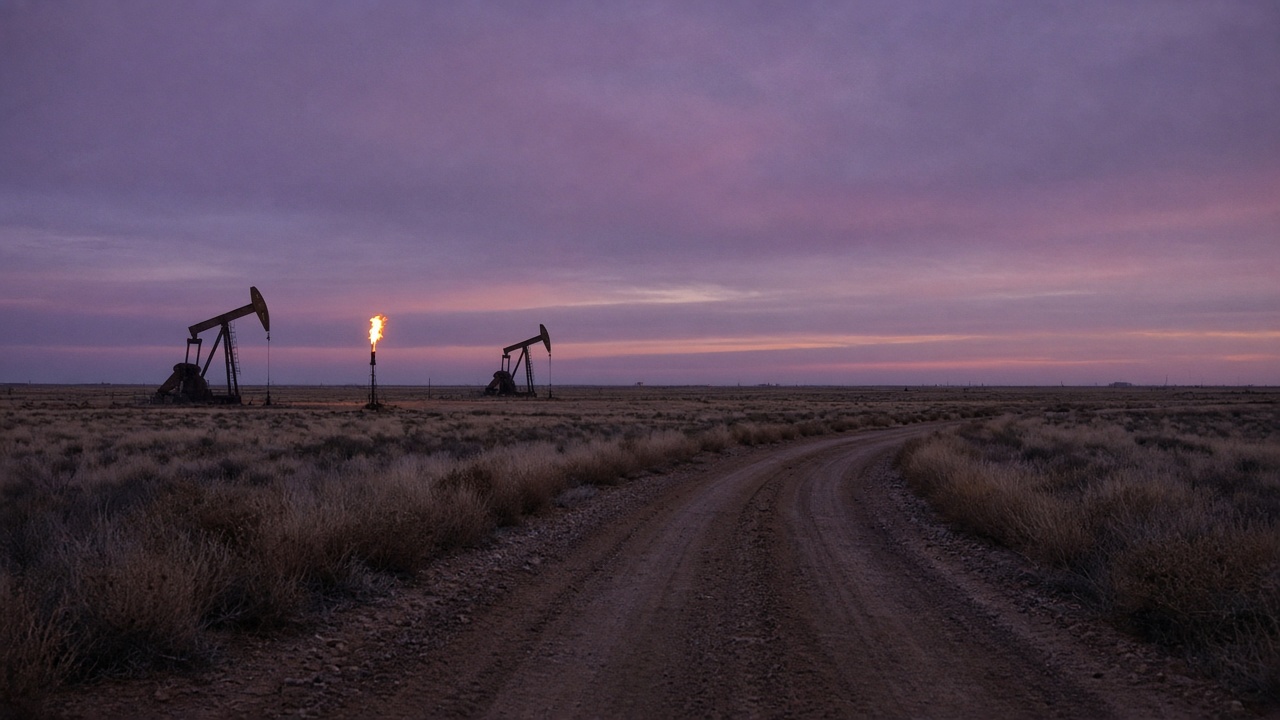
Diamondback Energy Inc. stock traded in a tight range Monday as executives updated investors on Permian Basin flaring targets after the Environmental Protection Agency’s May 7 phase-out of routine associated-gas flaring at new oil wells. The guidance call did not change production forecasts, but it clarified how Diamondback plans to cut flared volumes without shutting in high-margin Midland Basin barrels—a balance other Permian pure-plays are trying to strike under the 2024 OOOOb methane rules.
What the EPA rule changed
EPA’s 2024 oil-and-gas performance standards required wells that started construction between May 2024 and May 2026 to end routine flaring of associated gas by May 7, 2026, unless operators meet strict control requirements. Producers in the Permian and Bakken warned that midstream outages could force flaring or shut-ins. In April and May 2026 the agency issued Phase 1 reconsideration tweaks and guidance affirming that 40 CFR 60.5377b(d)(3) still allows temporary flaring when gas is routed to sales lines but service is interrupted—typically up to 30 days per incident with documentation.
President Donald Trump’s EPA framed the clarification as protecting U.S. supply, citing Department of Energy estimates that flexibility keeps tens of thousands of barrels per day online. Environmental groups counter that exemptions must stay narrow. For Diamondback, the legal text matters because more than 90 percent of its 2024 flared gas came from third-party midstream downtime, according to the company’s sustainability report—not from wells flaring by choice.
Diamondback’s operating response
Chief operating officers told analysts Diamondback is renegotiating gatherer contracts toward fixed fees that reduce incentives for processors to reject gas during price spikes. The company also said it would curtail oil production at select pads when flaring would exceed internal caps tied to executive compensation scorecards. Diamondback flared about 2.3 percent of gross natural gas produced in 2024, above its 0.2 percent goal, after the Endeavor merger added legacy assets.
Investors asked whether methane fees in pending Phase 2 reconsideration could hit 2027 cash flow. Management deferred dollar estimates but said capital for vapor recovery and enclosed combustors is already in the 2026 budget. Sell-side models had largely baked in compliance spending; Monday’s move was about confirming volumes would not drop sharply in the fourth quarter.
Stock setup and what could break the thesis
Diamondback outperformed the S&P Oil & Gas Exploration & Production Index by roughly 40 basis points on the day, a modest gain consistent with a guidance call rather than a surprise beat. Options markets showed little change in implied volatility. The mechanism supporting shares is operational: if flaring falls without lost barrels, per-unit LOE and carbon intensity metrics improve, helping ESG-focused holders stay invested despite Iran-war crude volatility.
Nina Okonkwo’s falsification test is midstream: if Permian gatherers report another summer of unplanned outages, Diamondback may need the EPA’s temporary flaring pathway more often than investors expect, inviting scrutiny from Texas regulators and plaintiffs’ lawyers. Conversely, if Phase 2 rules soften methane monitoring costs, multiples could expand. Until Friday’s rig count, the trade is whether Diamondback’s flaring curve bends down without bending production down with it.
Broader Permian read-through
Peers including Pioneer legacy assets under Exxon Mobil and private operators face the same gatherer bottlenecks. Oklahoma regulators’ slide decks show EPA targeting a broader OOOOb/c reconsideration proposal by late 2026. Diamondback’s commentary is a template: document every flare event, push midstream, and keep investors focused on free cash flow per share rather than headline flame shots from satellite activists.
On the call, executives said satellite methane monitoring pilots with third-party verifiers will expand to more than half of Diamondback’s operated acreage by year-end, a step insurers requested before renewing excess liability policies. That disclosure did not move the stock, but it showed how environmental compliance is now entangled with financing costs—not just with Washington rulemaking.
Short interest in Diamondback ticked lower into the update, suggesting bears who bet on shut-ins after May 7 were covering as guidance held production flat. The next hard data point is October state flaring reports, where activists will compare Diamondback’s numbers to EPA guidance on what counts as routine versus temporary.