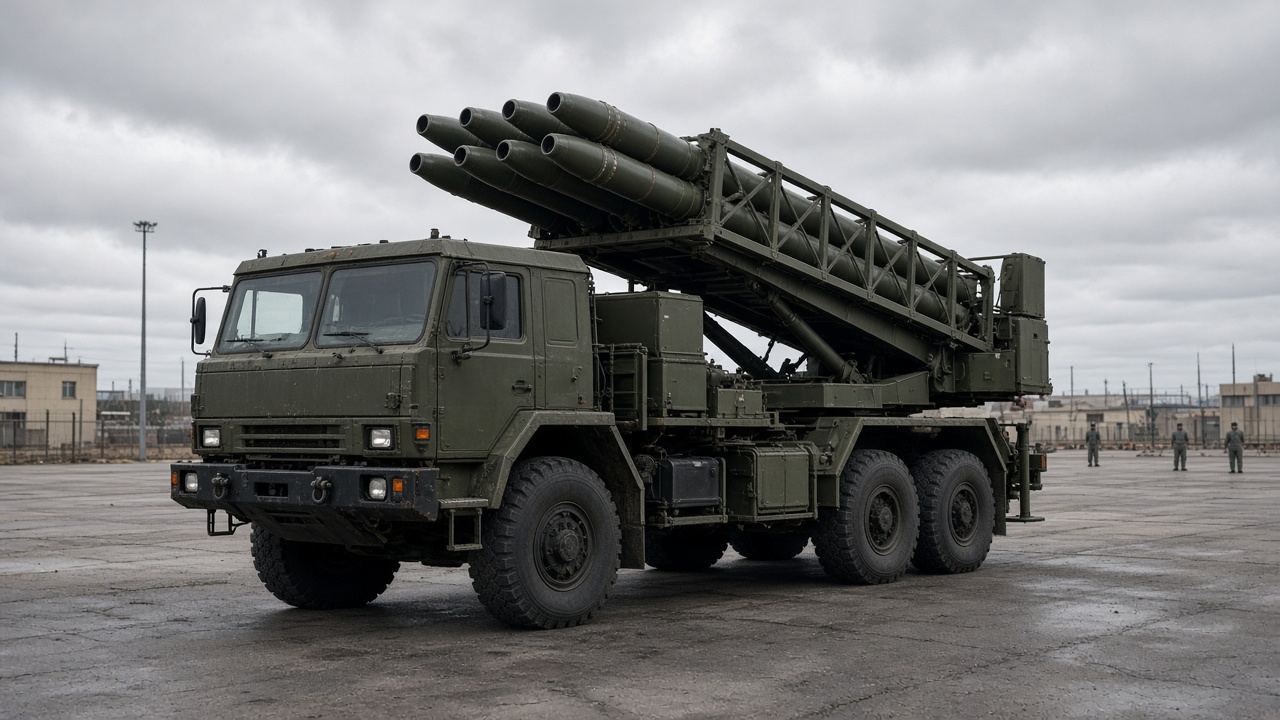
RTX Corp. shares traded within a few dollars of all-time highs Monday as markets reopened to a familiar war-and-diplomacy two-step: President Donald Trump threatened to “wipe out” Iran’s economy or leadership unless Tehran negotiates, while Iranian officials promised “painful” retaliation if the U.S. and Gulf allies launch another large strike. For RTX—the merged Raytheon intelligence and aerospace businesses—the headline risk is not crude spikes alone but the burn rate on Patriot and other interceptors that have kept oil infrastructure standing during seven months of fighting.
What moved the tape
CNBC reported Trump’s Sunday Fox News interview and Iran’s military warnings on the eve of the United Nations General Assembly in New York, where President Masoud Pezeshkian is expected to meet counterparts on the sidelines. Brent crude fell about 1.7 percent to $102.15 and WTI slipped toward $98 as traders weighed partial Hormuz flows against rhetoric. Defense names often diverge from oil on days like this: RTX closed prior sessions near $197, according to sector trackers, supported by demand for cruise missiles, radars, and air-defense systems tied to Central Command strike packages.
The outperform mechanism is replenishment math. U.S. and allied forces have fired large numbers of Patriots and similar interceptors to counter Iranian drones and ballistic missiles. The Las Vegas Review-Journal, citing U.S. and NATO officials, described European Patriot inventories as “beyond critical” because magazines were shifted to the Middle East during the conflict. Center for Strategic and International Studies analysts have estimated that a majority of U.S. Patriot interceptors were expended or allocated to the theater, with production lines aiming toward 2,000 missiles annually by 2030.
What the street already has in the number
RTX’s backlog and book-to-bill from second-quarter earnings already reflected Gulf state orders and U.S. Army reload contracts. Sell-side models embed elevated munitions revenue through 2027 but not an open-ended supplemental appropriation. House lawmakers passed a war-powers resolution demanding congressional authorization for continued operations; analysts expect a presidential veto and note the measure carried no new funding. Without a labeled restock bill, RTX’s multiple can look full even as headlines scream escalation.
Options skew showed modest demand for near-dated calls, a sign tactical traders were hedging UNGA surprise rather than betting on a sustained breakout. Lockheed Martin, which shares Patriot production work, traded in a similar band. The pair’s relative strength versus commercial aerospace OEMs underscores how investors are splitting defense primes from airline exposure to jet fuel.
Catalysts through Friday
Diplomacy is the near-term swing factor. Trump said he might meet Pezeshkian in New York while also claiming he remains in “deciding mode” over military action. Any verified reopening of Hormuz insurance markets could drain the geopolitical premium from both oil and defense simultaneously. Conversely, a strike on Iranian nuclear or leadership targets would likely accelerate Foreign Military Sales paperwork for Gulf Cooperation Council buyers RTX already supplies.
Earnings revisions hinge on timing: RTX finance chiefs have said ramjet and interceptor lines are capacity-constrained, so orders convert to revenue over quarters, not days. Investors watching Friday’s defense peer presentations want guidance on spare-part surge pricing and supply-chain bottlenecks for solid rocket motors.
How to falsify the bull case
Okonkwo’s test is procurement, not punditry. If the Pentagon issues no new delivery orders or supplemental language after UNGA week, RTX’s war premium could fade even with rhetoric elevated. A ceasefire that reduces interceptors fired per week would hit the bull case faster than a $5 move in Brent. Until then, RTX near records is the market’s bet that seven months of Middle East combat has left magazines empty enough that restock is a when, not if— even if politicians argue about who must pay for it.
Commercial aerospace investors are watching the same headlines for the opposite reason: airlines with Middle East exposure sold off in premarket trading while RTX held firm. That divergence is the sector trade for September—jet fuel pain for carriers, interceptor demand for primes—until UNGA produces either a headline ceasefire or a headline strike package.