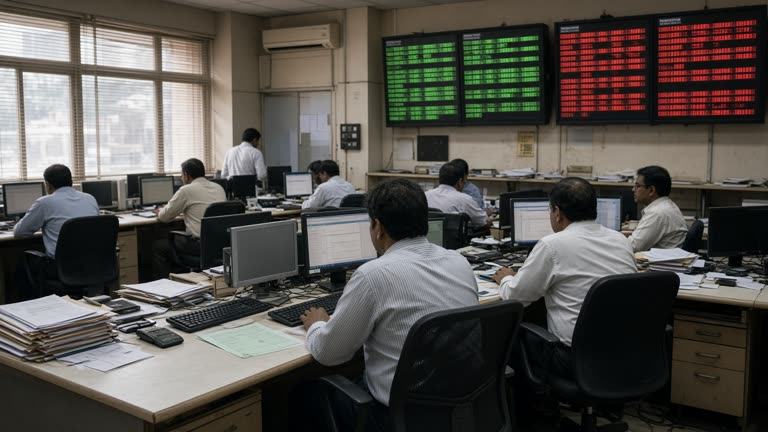
Zomato and One97 Communications (Paytm) weighed on the Nifty Midcap 100 in Monday’s Mumbai session as multiple brokerages trimmed quick-commerce valuation models, citing higher customer-acquisition spend at Blinkit and slower margin recovery in Paytm’s payments and lending-adjacent units, according to client notes reviewed by InfoHandle.
What moved the midcap index
The Nifty Midcap 100 closed down 0.4 per cent even as the headline Nifty advanced, a divergence traders attributed to profit-taking in internet platforms after a quarter of outperformance. Zomato shares fell 2.8 per cent; Paytm slid 3.1 per cent, together shaving roughly 18 index points by internal desk calculations.
Block deals in Paytm appeared mid-session, exchange data showed, though volumes did not exceed average daily turnover. Zomato’s slide came without a fresh company filing—investors reacted to sell-side model updates circulated over the weekend.
Brokerage flags on quick commerce
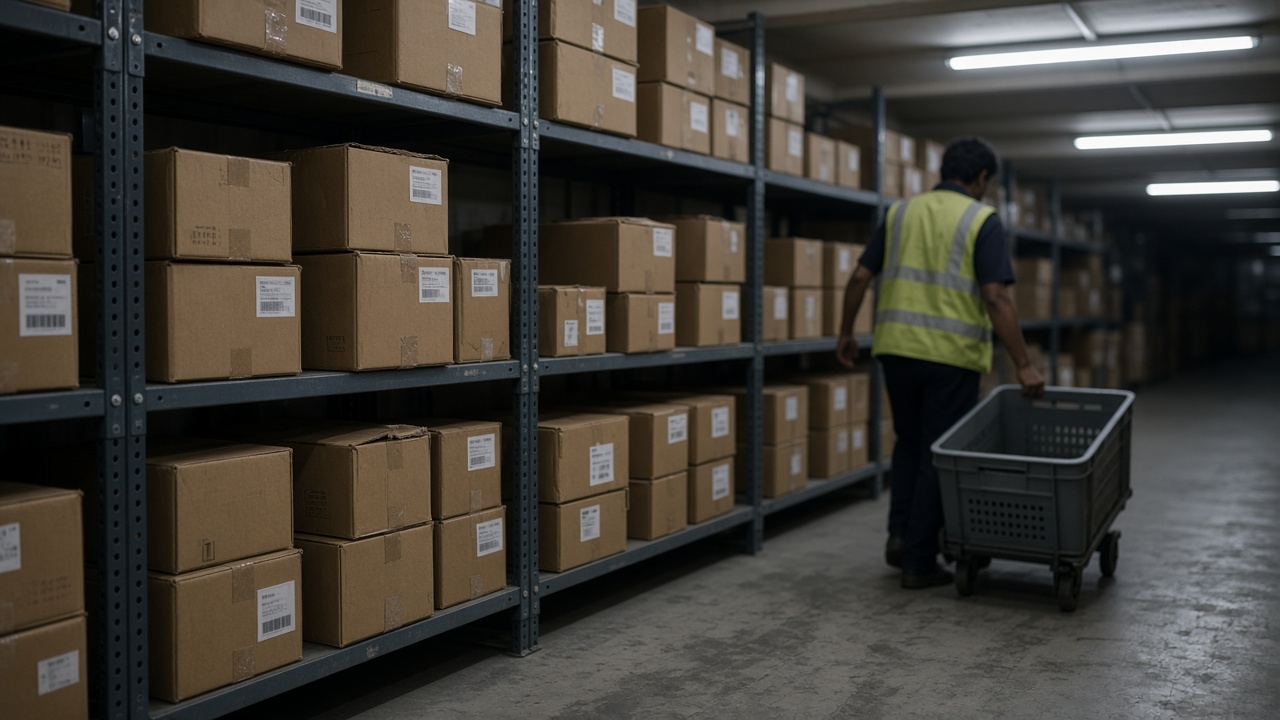
A domestic brokerage cut Blinkit’s implied FY27 EBITDA by 12 per cent in a note dated 21 September, arguing that ten-minute delivery subsidies in Delhi NCR and Bengaluru would persist through the festive quarter. Another house raised warehouse rent assumptions after citing broker channel checks on dark-store lease renewals in Mumbai’s western suburbs.
Paytm faced parallel scrutiny: models assumed lower take rates on merchant discounts funded by brand marketing, and higher compliance costs on wallet KYC refreshes flagged in RBI circulars earlier in the year. None of the notes changed published price targets uniformly—some analysts called the pullback a buying opportunity if customer growth reaccelerates after Diwali.
Who outperformed within midcaps
Defence and capital goods names offset part of the internet drag, continuing a rotation into industrials with order-book visibility. Regional banks with granular deposit franchises also gained, benefiting from the same rate environment that pressures fintech customer-acquisition economics.
Foreign portfolio investors have been selective in midcaps, exchange flow data suggest, adding industrials while trimming platform stocks that trade at high price-to-sales multiples relative to five-year medians.
What would unwind the story by Friday
A Zomato operational update showing improving contribution margins per order could reverse Monday’s move quickly—Blinkit unit economics are the single largest swing factor in consensus sums-of-the-parts. Paytm needs stable payments volume growth through UPI festival spikes; any regulatory headline on digital lending caps would extend the selloff.
Rupee stability near 83.40 helps platforms with dollar-linked cloud costs less than it helps exporters, but a sharp depreciation would raise imported handset financing costs for merchant devices—another hidden drag brokers modelled in side notes.
How investors are repositioning
Mutual fund factsheets due this week will show whether domestic institutions added Zomato on dips in August; Monday’s price action suggests some funds may defer adds until after Q2 earnings. Retail investors on social trading forums debated Blinkit’s competition with Swiggy Instamart and Amazon’s faster grocery pilots—narrative noise that Mumbai prop desks largely ignore unless it shows up in app download rankings.
Paytm’s strategic pivot toward profitability over growth is mature, but the stock still trades as a call option on cross-sell into credit. Brokerages that cut near-term EBITDA did not uniformly downgrade long-term payment volume assumptions, implying Monday’s slide was multiple compression, not a thesis break.
For the midcap index, the lesson is concentration: a handful of consumer internet names can offset industrial strength on any day breadth looks healthy at the Nifty 50 level. Traders hedged with Nifty futures while shorting midcap ETFs—a pair trade that paid on Monday when platforms sagged and capital goods held.
Until company filings arrive, the tradeable facts are the closes: Zomato and Paytm lower, broker models adjusting quick-commerce and fintech spend higher, and the Nifty Midcap 100 lagging the large-cap benchmark on valuation discipline rather than macro panic.
Channel checks from dark stores
Delivery partners in Bengaluru said average orders per rider hour dipped slightly after rain disruptions, but basket sizes rose ahead of Ganesh festival cooking—mixed signals for unit economics that broker models treat as noise unless they persist into October. Paytm’s merchant soundboxes still ping on UPI success tones across kirana counters; the equity story is whether those tones convert to higher-margin financial products or remain low-yield payment plumbing.
Institutional investors who met Zomato management in Singapore last month noted management’s emphasis on contribution margin per order rather than gross merchandise value—a framing Monday’s selloff tests if marketing spend reaccelerates. For midcap index trackers, the weight of two consumer internet names ensures platform volatility will keep showing up in headline midcap returns even when industrials dominate the real economy narrative.