MBC’s content archive team is delivering high-definition masters of 1990s signature dramas—including period staples and weekday family serials—for a September streaming window on its Classic VOD hub, after SK Telecom co-developed artificial-intelligence upscaling slashed per-episode processing from eighty hours to near real time. The push targets viewers who binge retro titles on phones but balk at standard-definition artifacts on large OLED panels.
What is in the remaster queue
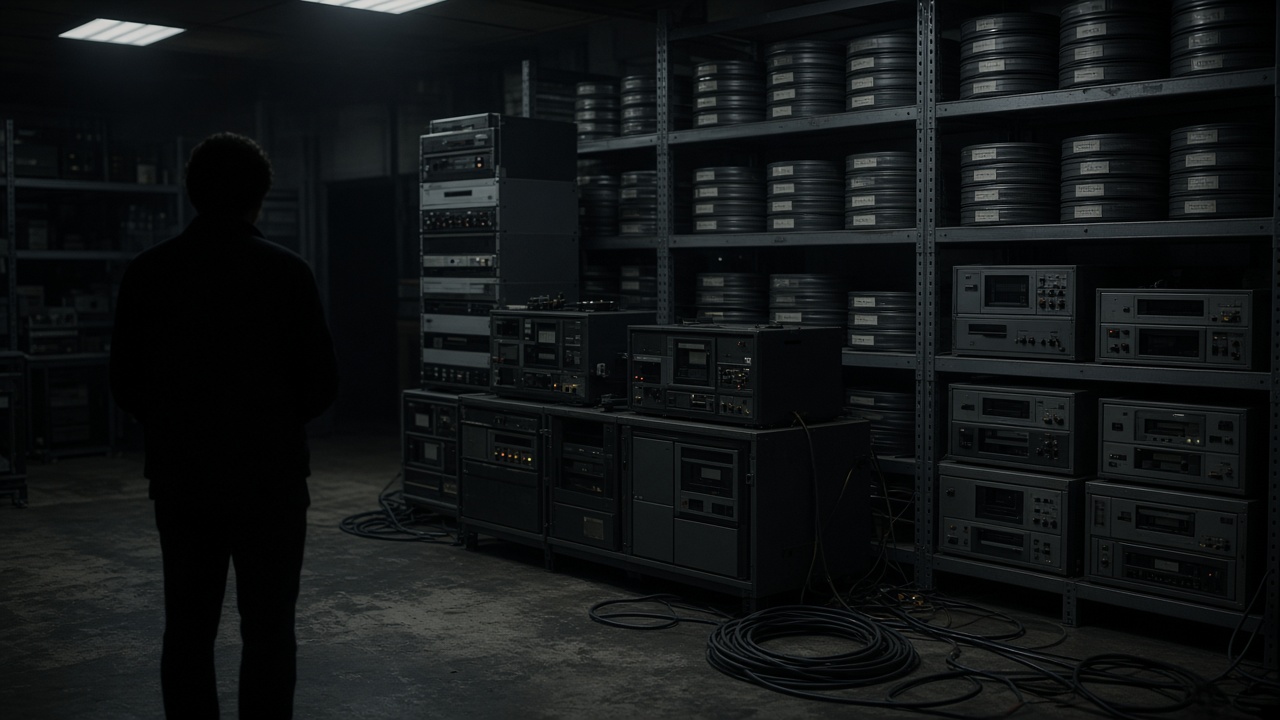
Archivists prioritized titles filmed before MBC’s 2011 HD switch: sandglass-era romance, chief-inspector procedurals, and early episodes of long-running variety staples named in prior MBC announcements. Each master moves from 720-by-480 source tapes toward 1920-by-1080 streams with grain retained so faces do not look plastic.
Media business executives told trade press earlier cycles that low resolution blocked overseas licensing even when story demand held; the 2026 window keeps domestic replay rights inside Korea while export talks proceed title by title.
Music-rights auditors work episode by episode because 1990s masters often bundled needle drops cleared only for linear broadcast; streaming releases wait until replacement cues or renewed licenses are logged.
How the SKT pipeline works
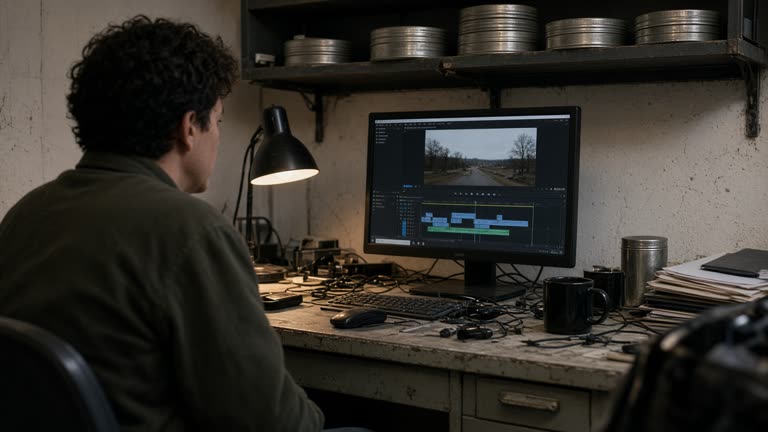
Engineers trained models on pairs of standard and high-definition frames from MBC’s vault, letting neural nets predict detail rather than simple sharpening. Research staff said a twenty-episode run that once needed months can now finish within a day for HD, with ultra-high-definition passes reserved for flagship revivals such as medical courtroom classics already marketed as UHD remasters on mobile VOD.
Quality control still relies on human colorists checking costume dyes and outdoor foliage; AI passes that smear hanbok embroidery are rejected and re-rendered.
Render clusters run overnight so daytime archivists can compare side-by-side stills on reference monitors calibrated to broadcast Rec.709 targets rather than phone brightness sliders.
Where viewers will see them
Classic category pages on MBC’s play VOD service list retro curation rows; the broadcaster’s consumer app notes that replay windows remain Korea-only for many rights holders. Linear channels will simulcast select remasters on drama-branded digital channels while the streaming window stays ad-supported for catalog titles and transactional for premiere HD drops.
Social clips and vertical previews must not imply every 1980s master is ready—Country Diaries-era film and early analog news inserts remain in separate preservation projects.
Advertisers buying retro adjacency on drama-branded digital channels receive frame-safe lists so luxury brands are not paired with grainy courtroom scenes still awaiting color pass.
Audience and metrics
MBC Classic rows already see spikes when school holidays overlap; marketing staff track completion rates on first remastered episodes to decide which 1990s procedurals get weekly drops versus batch dumps.
Younger viewers who discover titles through short-form clips often switch to full episodes only when HD faces read clearly; executives cite that behavior when prioritizing romance staples over variety compilations.
What happens next
MBC will publish a rolling availability calendar each Monday through November, marking which episode batches cleared music-rights audits. If view-through on remastered pilots beats SD baselines, executives may fund UHD passes for additional 1990s masters before lunar-new-year syndication talks. For now the story is tape vaults, SKT render farms, and a domestic audience that wants its 1990s favorites without muddy faces on living-room screens.
Archive staff keep cold-storage humidity logs separate from render queues so tape stress does not accelerate while AI passes rerun; that discipline adds paperwork but prevents dropouts mid-episode on streaming CDNs.