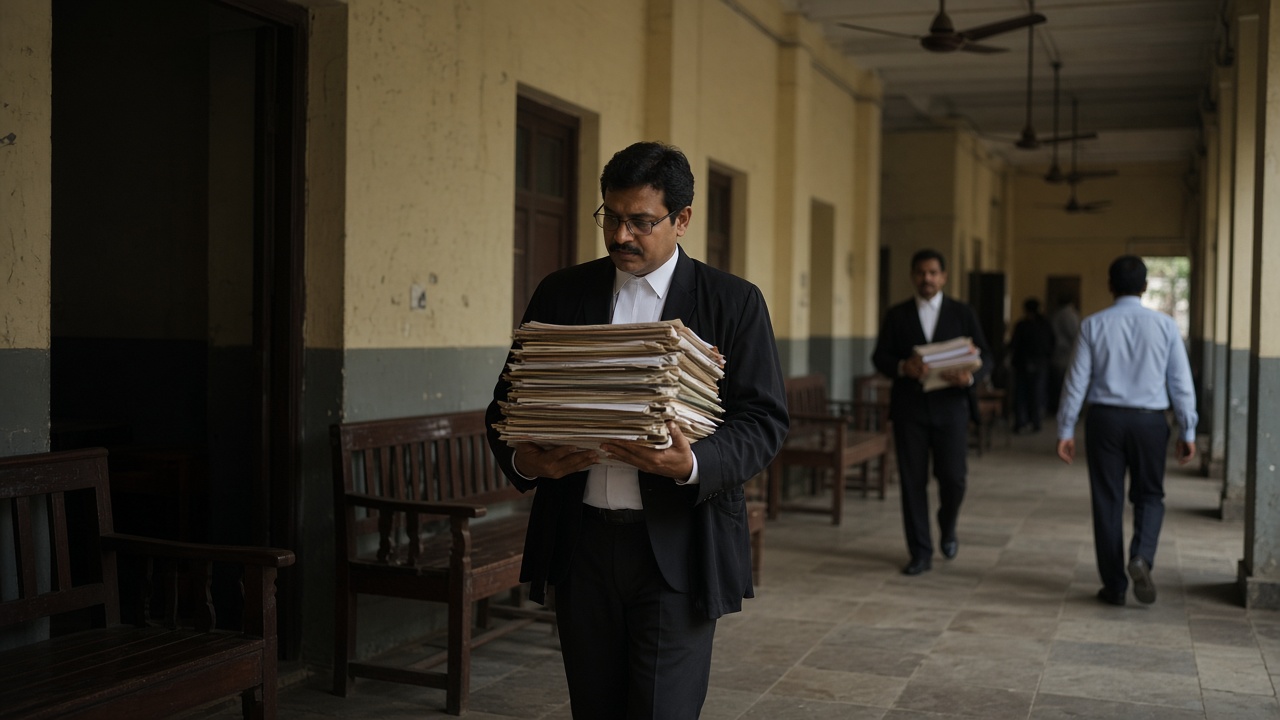
India’s Supreme Court ruled Monday that authorities must furnish written, comprehensible grounds for arrest at the time of detention, a safeguard it said applies even when suspects are held under stringent special laws such as the Unlawful Activities (Prevention) Act and the Prevention of Money Laundering Act. A bench of Justices Ujjal Bhuyan and Atul S. Chandurkar held that informing someone orally, or in language they cannot parse, violates Article 22 and renders the detention illegal.
What the bench decided
The Times of India reported the court emphasized that personal liberty under Article 21 cannot be curtailed except through constitutionally sound procedure, regardless of how serious the allegations are. Article 22 requires that anyone arrested be told why they are being held “as soon as may be”; the bench said that obligation is “not a mere formality but a mandatory binding constitutional safeguard.”
Investigating agencies sometimes argue that special statutes demand secrecy early in a probe. The court rejected a narrow reading, stating that even grave offences and anti-national activity claims do not waive the written memo requirement. If grounds are not supplied promptly, the arrest is unlawful and the detainee must be released, the judgment said.
Re-arrest limits
Going further, the bench ruled that when an arrest is declared illegal for Article 22 violations, authorities cannot immediately re-arrest the same person on identical facts to paper over the defect. That holding matters for high-profile terror and money-laundering probes where defendants have walked out of courtrooms on technical grounds only to be picked up again hours later outside prison gates.
Defense lawyers said the clarification will force Central Bureau of Investigation and Enforcement Directorate teams to prepare charge outlines before custody begins, rather than drafting narratives days into interrogation. Police associations in several states have asked for standardized forms to avoid litigation over legibility and translation.
Agencies on the ground
No fresh Union home ministry circular was published by Tuesday evening; agencies typically wait for formal Supreme Court uploads before changing training manuals. State police forces, which make the bulk of UAPA arrests before federal takeover, will need vernacular translations in districts where detainees do not read formal Hindi or English memos.
The ruling lands amid parallel hearings on Delhi voter-list notices and bail conditions in other special-law cases, but it is distinct in scope: a nationwide template on arrest paperwork, not the merits of any single investigation.
What litigants can do next
Legal aid clinics said they would distribute checklists advising families to demand written grounds at the moment of arrest and to photograph documents when safe. Courts in Maharashtra and Delhi have already seen motions citing Monday’s judgment in ongoing bail pleas.
For India’s security beat, the operative words are “in writing” and “understandable.” Special laws remain on the books; the procedure for using them just became harder to shortcut.