Fraudsters are mailing Mid-Autumn greeting envelopes that hide fake legal notices tied to Taiwan’s Prince Group money-laundering investigation, the Ministry of Justice said Monday, urging the public not to call the phone numbers printed on the letters or pay so-called case-handling fees. The warning lands while Taipei prosecutors continue a high-profile probe that has indicted dozens of defendants and seized billions in assets linked to Cambodia-based scam compounds—but the letters themselves are unrelated to any real docket number recipients might recognize.
How the letters mimic an real investigation
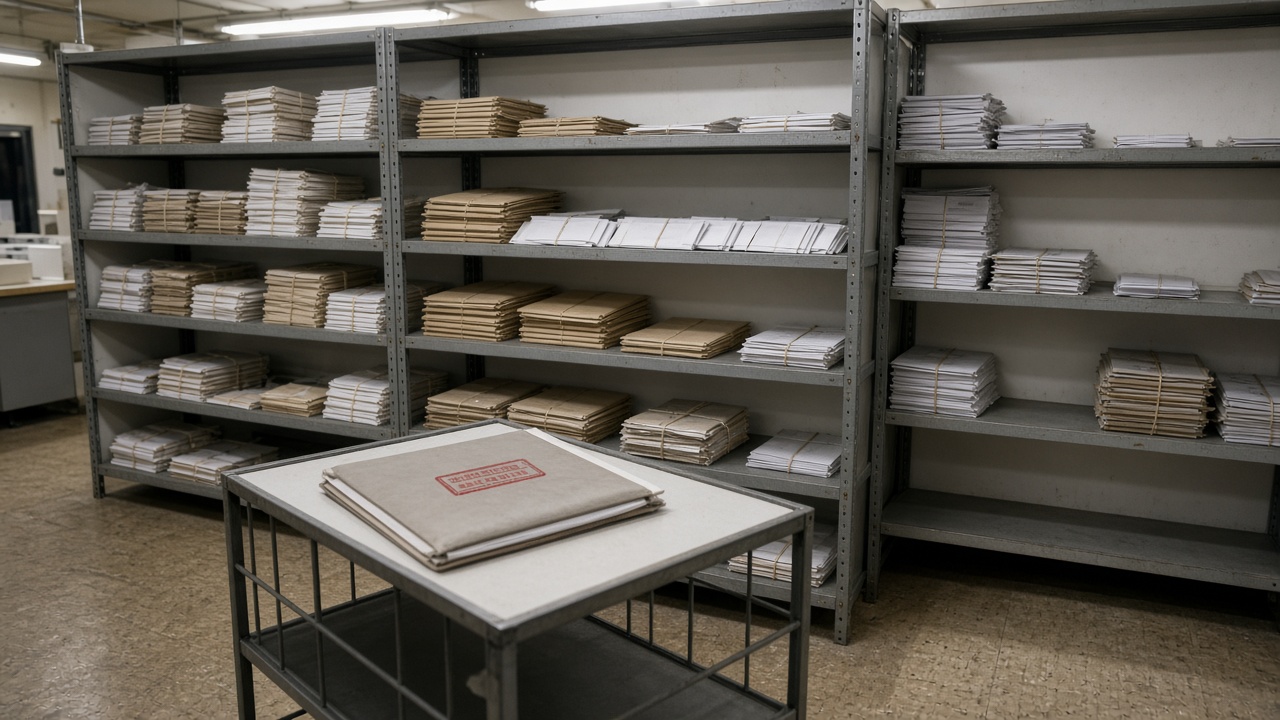
According to the ministry’s Investigation Bureau, recent mailings use official-looking headers, reference “Prince Holding” or “cross-border fraud task forces,” and claim the recipient’s bank account or property will be frozen unless they confirm identity within 48 hours. Some versions cite genuine public events—U.S. sanctions, Taipei raids, or October indictments—to sound current. The contact numbers, however, route to prepaid mobiles or VoIP lines, not prosecutor switchboards.
Investigators said the scheme targets older residents who may receive physical mail more often during the holiday and who could confuse a dense legal tone with a formal summons. No court date appears; instead, the letter demands an immediate callback or a transfer to a “custody account” to prove cooperation. That structure mirrors classic impersonation fraud, swapped here for vocabulary drawn from headlines about Chen Zhi’s Prince Group network.
What the real Prince case is—and is not
Taipei District Prosecutors have charged Prince Group founder Chen Zhi and Taiwan-based associates with organized crime, money laundering, and related counts, alleging that scam proceeds flowed through shell companies and luxury purchases. U.S. Treasury sanctions and coordinated raids produced asset freezes measured in the billions of New Taiwan dollars. Those proceedings move through court filings and formal summonses served by authorized personnel—not through holiday cards asking for wire transfers.
The ministry emphasized that prosecutors do not collect fees by mail to “unlock” accounts. If someone is genuinely a witness or subject in a criminal case, contact arrives through documented channels with verifiable court clerks’ numbers listed on the Judicial Yuan website. A random letter postmarked before Mid-Autumn is not that channel.
What recipients should do
Do not call the numbers on the letter. Photograph the envelope and contents, then report to the 165 anti-fraud hotline or local police. Do not destroy the mailing if officers ask to collect it, but also do not share national ID numbers or banking credentials over the phone. Family members helping elders sort holiday post should watch for envelopes that combine mooncake branding with legal threats—a juxtaposition legitimate agencies avoid.
Why the timing matters for investigators
Holiday mail volume gives scammers cover to blend marketing post with intimidation. The Investigation Bureau said it is sharing samples with postal inspectors and convenience-store logistics partners because some variants switch to courier-delivered “registered documents” once recipients ignore plain mail. Cross-border teams are tracing payments, but prevention still depends on households recognizing that a famous case name in print does not authenticate the paper.
The Prince Group prosecutions are real; the letters are not part of them. Treat any demand for money or passwords as fraud until verified through official directories—not through a callback number supplied by the sender.
How to verify a genuine notice
The Judicial Yuan’s online case-search tools and each court’s switchboard publish numbers that do not match mobile lines on scam mailings. Investigation Bureau field offices can confirm whether a reference number exists after a citizen reports the letter—not before paying. Banks said they will not freeze accounts based on a mailed QR code alone; any “custody account” named in these letters should be treated as a mule route.
With Taipei’s Prince-related trials continuing to draw headlines, expect more variants through October. The ministry timed the advisory to the holiday because families sort mail together—when a forged seal might impress someone who has not followed the news daily.
Community offices in New Taipei said elder volunteers will distribute printed 165 reminders at mooncake festivals—a low-tech counterweight to high-tech Prince Group headlines.