SBI Card revised fuel cashback rules on several mass-market and BPCL co-brand cards effective 21 September, cutting accelerated rebates at petroleum merchant category code terminals and adding spend verification steps, according to cardholder notices and acquirer bulletins InfoHandle reviewed. The move follows Reserve Bank of India supervisory letters to issuers and payment aggregators about mis-coded transactions that classified grocery, wallet loads, and gift-card purchases as fuel to trigger higher card rewards.
What the household bill looks like
Previously, select SBI Card products returned 1 per cent unlimited cashback on fuel MCCs with a separate 5 per cent tier at partner oil marketing companies. The September revision caps partner-station cashback at ₹250 per statement cycle on cards that lacked caps, and reduces non-partner fuel MCC rewards to 0.25 per cent—economics that make short-hop petrol pump swipes barely worth the parking hassle.
Customers who relied on fuel MCC routing at hybrid convenience stores will see rewards post under general spend categories, often 0.5 per cent or point equivalents worth less than half the old fuel rate. SBI Card’s email template cites “alignment with network integrity guidelines” without naming merchants, but acquirer memos explicitly mention RBI’s concern on deliberate MCC mis-labelling.
Which issuer and regulatory trigger
SBI Card is the largest pure-play card issuer listed on NSE; its fuel-heavy co-brand portfolio with BPCL made it an obvious first mover after RBI’s payments oversight division circulated cautionary notes in August. Investor relations materials highlight fuel and utility spends as a loyalty hook for mass affluent customers—tightening rewards risks churn to HDFC or ICICI cards with cleaner category mapping.
RBI press release archives do not always publicise every supervisory letter, but payments industry associations briefed members that issuers must audit acquirer MCC assignments quarterly. NPCI’s UPI documentation separately stresses correct merchant category data for credit-on-UPI pilots, extending the same integrity concerns beyond plastic swipes.
What happens on a missed payment
Fuel cashback already forfeits on delinquent accounts; the new rules add clawback language if post-transaction audits reclassify spends. Cardholders who dispute MCC coding must submit station receipts within 30 days—a burden shift from issuer to customer that call-centre scripts now reference explicitly.
EMIs on fuel purchases remain rare; missed payments therefore bite through finance charges on revolving grocery baskets customers mistakenly thought earned fuel rates. A ₹10,000 mixed basket coded as fuel could have generated ₹500 cashback old-style; at general rates the same spend returns ₹50—an order-of-magnitude drop households notice on the first post-revision statement.
Merchant and acquirer response
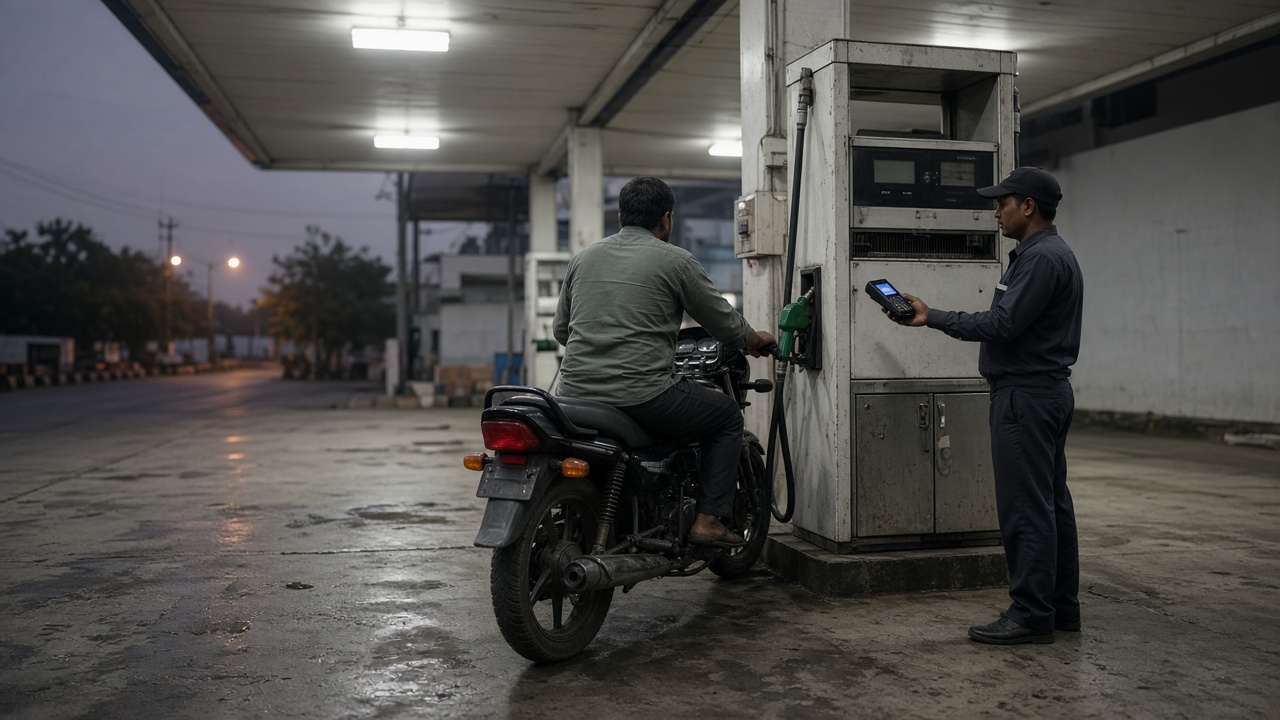
Petroleum dealers associations in Maharashtra said oil marketing companies instructed franchised outlets to separate POS terminals for convenience store SKUs from pump authorisation systems—a hardware fix rolling out slowly. Payment aggregators serving small fuel kiosks face higher compliance costs, which some pass through as convenience fees banned on UPI but still legal on certain card rails.
Competitors watch whether SBI Card’s churn stays contained; if it does, expect parallel tightening across Axis HPCL and ICICI IndianOil portfolios. If BPCL co-brand acquisition costs spike, SBI may negotiate marketing subsidies rather than restore old cashback ladders.
How cardholders should adapt
Use OEM partner apps that tokenise pump payments with verified fuel MCCs; avoid single-terminal stores that ring up milk and petrol on the same code. Track SBI Card’s revised MITC on the investor site—effective dates differ slightly by card variant, and legacy cards grandfathered until October may still show old rates for one cycle.
For the household rupee math, assume fuel rewards are now a rounding error unless you hold a partner co-brand and stay within the ₹250 cap. The regulatory story—RBI pushing issuers to police MCC honesty—matters more than any single percentage tweak, because it signals tighter scrutiny on every accelerated category heading into the festive quarter when merchants chase promotional spend.
Investor read-through
SBI Card’s listed equity trades on receivables growth and net interest margin after rewards costs. Tighter fuel cashback reduces reward liability per account but may slow spend velocity—a metric analysts watch each quarter on earnings calls. If mis-coding was material, revised rules improve reported margin quality even if headline spend growth softens.
Households should read statements line-by-line this month: acquirer fixes will create reclassification noise that looks like fraud but is often benign MCC correction. Dispute only genuine errors; otherwise budget fuel perks out of festive planning and lean on UPI debit for pump payments where rewards no longer justify credit interchange.