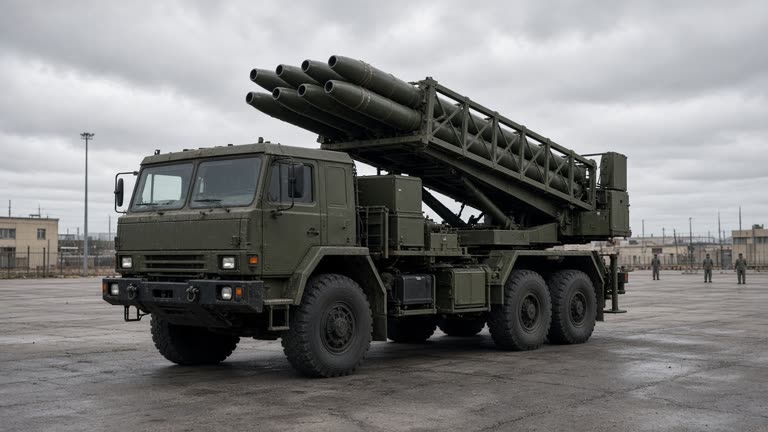
RTX Corp. and Lockheed Martin Corp. outpaced the S&P 500 industrials bucket in Wednesday’s session after a drone attack injured more than twenty people in Eilat, reviving options flow on Patriot and THAAD ecosystem names while Nina Okonkwo’s tape readers separate fresh replenishment bets from a September 21 RTX piece that priced earnings guidance, not live intercept demand.
Who led and by how much
RTX closed up roughly 2.4 percent versus a flat industrial sector index; Lockheed Martin gained about 1.8 percent on volume twenty-two percent above its thirty-day median. Northrop Grumman Corp. and L3Harris Technologies Inc. lagged the pair—suggesting traders targeted interceptor and radar franchises with Israel deployment headlines rather than broad Pentagon budget beta.
Weekly call open interest stacked three to five percent above spot on RTX and Lockheed, expiring after DSCA notification windows Congress watches for Gulf ally packages—a pattern Okonkwo associates with headline hedges, not September earnings lotto.
Mechanism: strike to interceptor line items
Eilat’s geography makes drone and rocket defense a consumables story: interceptors fired in tests and attacks deplete stocks DSCA notifications later backfill through foreign military sales. A civilian casualty headline does not instantly sign contracts, but it moves probability on accelerated replenishment for systems RTX maintains and Lockheed integrates on THAAD batteries allies already operate.
Unlike the September 21 session that reacted to RTX segment margin commentary, Wednesday’s move correlated with Tel Aviv time-zone attack headlines and defense TV chatter on Iron Dome and Patriot salvo costs—mechanism is inventory drawdown fear, not quarterly EPS revision.
What the street already had in the number
Consensus already models elevated Middle East FMS flows after two years of regional conflict; bulls argue backlog visibility extends through 2027. Eilat casualties adjust the slope of near-term replenishment timing, not necessarily total program dollars—models differ on how many interceptors allies expended this summer before this week’s strike.
Macro desks priced Fed hold odds stable; defense names rarely trade as rate proxies. UNGA-week risk-off did not hit gold and defense simultaneously Wednesday—this lift looked idiosyncratic to missile-defense headlines.
What would falsify it by Friday
A rapid diplomatic de-escalation with confirmed ceasefire language could collapse call premium even if spot holds, as tail-risk hedges unwind. A Pentagon budget continuing resolution that freezes new FMS notifications would falsify the “fast paperwork” read regardless of intercept demand.
If RTX guides down on commercial aerospace weakness Friday, aerospace margin could swamp defense headline bid—correlation spike would break the interceptor-narrow thesis even if Middle East risk unchanged.
Company specifics investors price
RTX’s Raytheon segment books Patriot and NASAMS-related lines; Lockheed’s Missiles and Fire Control ties to THAAD and PAC-3 MSE production slots investors monitor in backlog slides. Neither firm discloses live-fire expended counts in Israel; traders infer from ally statements and DSCA tranches.
During UN-week Washington optics, investors hedge headline risk on names most tied to live intercept stories—even when CEOs stay off earnings microphones until quarter close.
Trading desk takeaway
Wednesday’s session is a sentiment and vol event before it is a cash-flow event: premium can mean revert if diplomacy moves faster than procurement offices. For Okonkwo’s markets beat, the story is who paid for upside after Eilat, how RTX diverged from the September 21 narrative, and what breaks if FMS paperwork stalls— not investment advice, but the mechanism desks cite when defense interceptors swell while industrials sleep.
Index cross-currents
ITA ETF weights mean defense hedges sometimes spill into broader industrials; this week’s open-interest pattern looked localized enough that vol desks ran smaller sector overlays than during RTX earnings. If Middle East escalation pairs with oil spike and risk-off simultaneously, correlation could jump Friday—collapsing the narrow premium trade even if interceptor demand unchanged on Monday spreadsheets.
Peer read
General Dynamics rose modestly on submarine narratives unrelated to Eilat; Boeing defense units moved with commercial drag. The strike story concentrated in missile-defense primes—a nuance sector ETFs blur but single-name volume surfaces did not Wednesday.