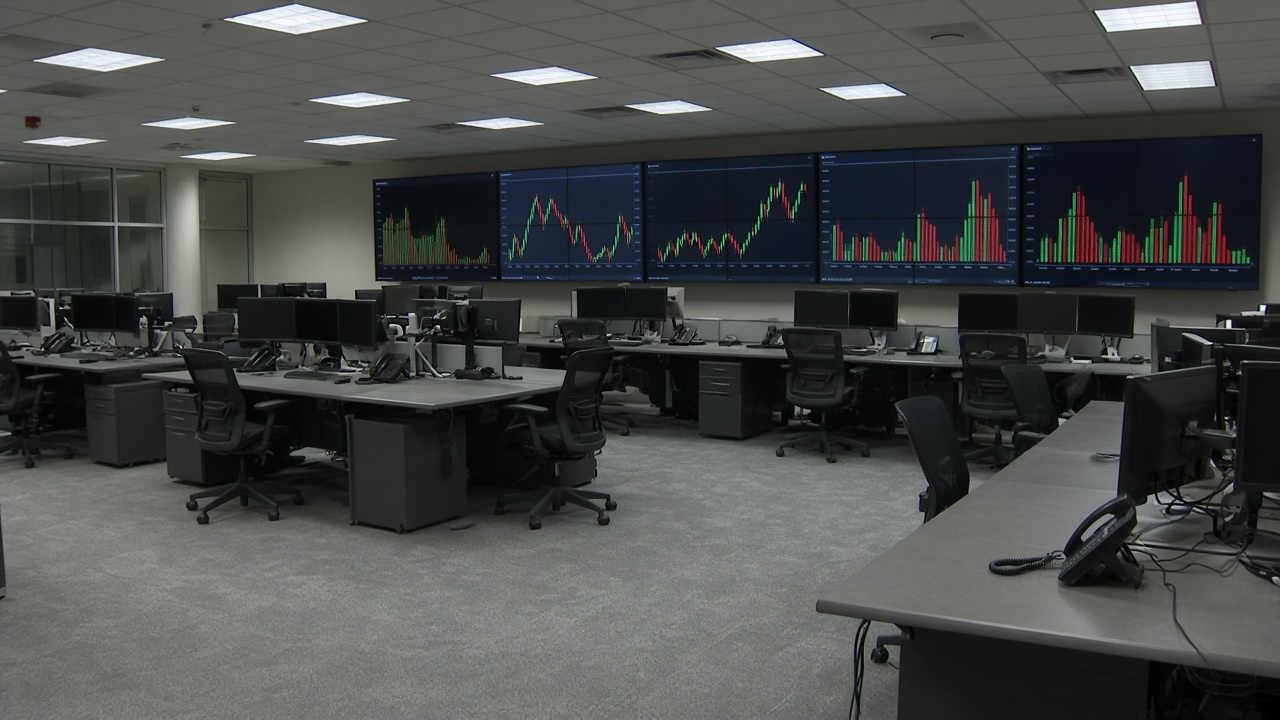
The benchmark Kospi rose 1.95 percent on Wednesday, 1 October, to finish at 6,971.35, extending a memory-led rally as Samsung Electronics prepared to complete the last two-million-share block of its announced repurchase program on Thursday while SK hynix signaled its own buyback window will close in mid-October.
How the index moved
Korea Exchange data showed chip heavyweights paced gains after U.S. peers reported tight supply commentary, lifting Samsung Electronics and SK hynix even as battery and auto names lagged. Trading value held above recent averages despite a long weekend hangover, with program trades adding to closing strength in the final thirty minutes.
Foreign investors were net sellers for the session, according to exchange tallies cited by Yonhap, while domestic pension and retail flows provided offsetting bids. The won traded sideways against the dollar, keeping dollar-return calculations for offshore funds roughly in line with local percentage moves.
Samsung’s final buyback block
Samsung’s investor relations page listed Thursday, 2 October, as the execution date for the remaining two million shares in the current tranche, completing a schedule announced after second-quarter earnings. Treasury teams typically buy through broker algorithms to minimize market impact; prior blocks already reduced share count modestly versus year-start levels.
Analysts said completion removes a near-term technical support bid unless the board authorizes a fresh program at the October earnings call. Memory pricing optimism matters more for EPS than the last repurchase slice, but funds still track daily buyback prints as a sentiment gauge when foreigners sell into strength.
SK hynix and the buyback cluster
SK hynix disclosures indicate its repurchase plan winds down around mid-October, overlapping Samsung’s final day and a broader issuer wave. Exchange filings showed roughly fifty companies scheduled open-market buybacks for 2 October, spanning insurers, industrial firms, and smaller tech suppliers seeking to defend valuations after Chuseok volatility.
Sector splits beneath the headline
Beyond memory, banks traded mixed as rate-cut bets competed with credit-quality headlines. Construction names eased on project-delay rumors that were not confirmed in regulatory filings. Kosdaq biotech saw selective gains on partnership news unrelated to the index close.
Derivatives desks reported elevated call interest on Samsung for October expiries, a positioning tell that some bulls expect earnings guidance to reference high-bandwidth memory mix improvements even if smartphone units stay flat.
What to watch into earnings season
Thursday’s buyback completions will show up in next-day ownership tables; if foreigners resume buying while repurchases pause, the 6,971 handle may prove fragile. SK hynix’s mid-October end date clusters with U.S. semiconductor earnings, a macro cross-current that often swamps local technical factors.
For portfolio managers, the story is dual: index level flirts with 7,000 on memory beta, while flow data shows overseas funds taking profits into domestic support. Nina Okonkwo’s checkpoint is whether net foreign selling persists after Samsung’s final block—if yes, the rally is narrower than the headline close suggests.
Macro overlays
U.S. jobs data due later in the week could swing the won and reprice foreign flows independent of Seoul buybacks. Oil drifted lower overnight, helping domestic airlines but doing little for the index because energy weight is thin. Bond futures implied a shallow cut path, a mixed signal for bank stocks that rose on net-interest optimism Monday then stalled Tuesday.
Retail margin accounts increased equity exposure into the close, according to brokerage summaries on Naver Finance boards, a contrarian tell when foreigners sold. Historically, such divergences resolve within three sessions unless earnings surprises intervene.
Historical context near 7,000
The Kospi last approached these levels during the 2021 retail boom, when liquidity—not earnings—led. This rally arrives with higher multiples on memory names, prompting strategists at two local brokerages to publish notes warning of mean reversion if DRAM contract prices flatten in November guidance. Buybacks cushion free-float supply but do not manufacture demand if export orders soften.