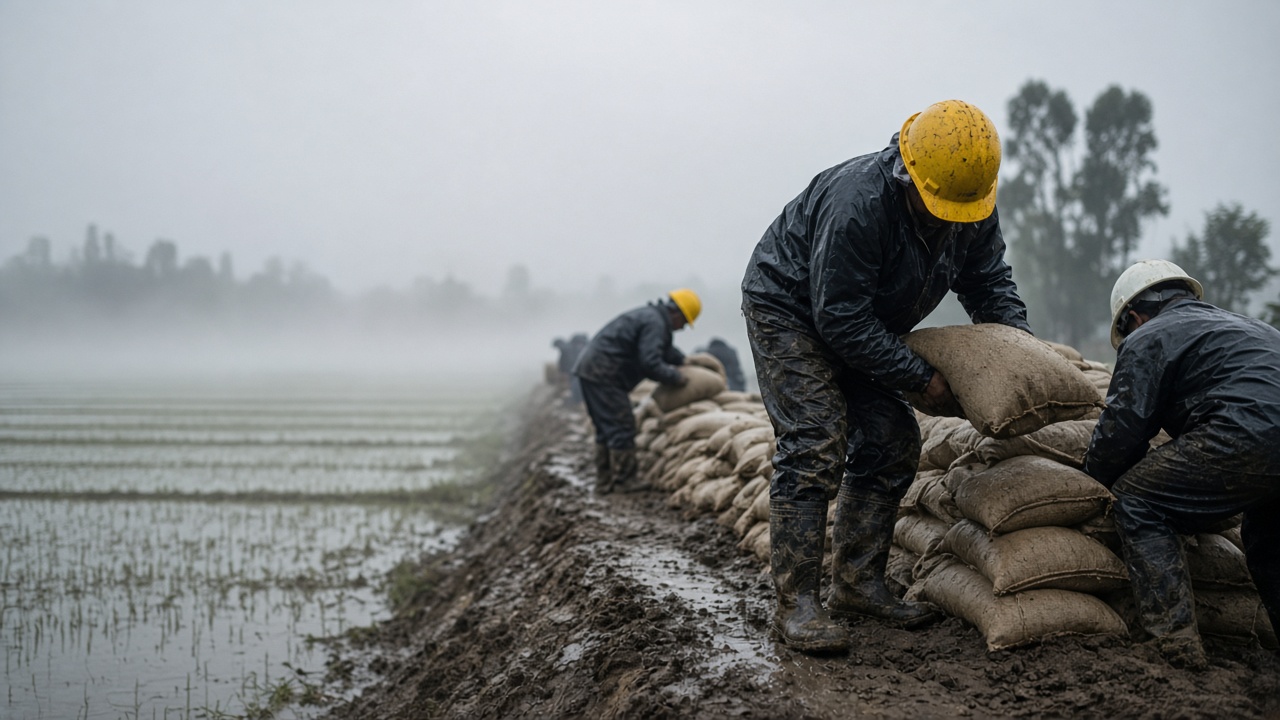
Japan is trying to restore power, water, and levees in Chiba while two more typhoons spin toward the Ogasawara Islands ahead of the Sports Day long weekend. The calendar is the story: the same crews and budget lines must handle sequential hits without the pause that disaster planners assume.
Crews cannot be in two places
TEPCO linemen, MLIT pump operators, and municipal fiber splicers are drawing from the same pool of contractors who already worked August’s Chiba rains. Paying overtime is easy; finding trained climbers who are not already booked is not. Stacking typhoons turns a regional recovery into a national staffing auction.
Budget rules amplify delays
Disaster relief accounts will open, but supplementary budgets still require Diet time. Local governments cannot pre-commit reconstruction yen beyond current fiscal caps, which pushes “temporary” fixes—satellite dishes, generators, portable pumps—into semi-permanent solutions. That is efficient in week one and expensive by week four.
What policymakers should admit
Prime Minister Sanae Takaichi’s cabinet talks about a future Disaster Management Agency, yet this autumn’s tests are happening under today’s fragmented ministries. Voters in Chiba do not need another promotional video; they need published crew maps and realistic power-restoration dates. Until those arrive, “resilience” remains a speech, not a schedule.
Private sector spillovers
Convenience-store chains in Chiba reported sporadic deliveries as drivers refused mud-clogged routes without police escorts. Insurers began aerial surveys of flooded paddies, a step that precedes payouts but does not put rice in bowls this month.