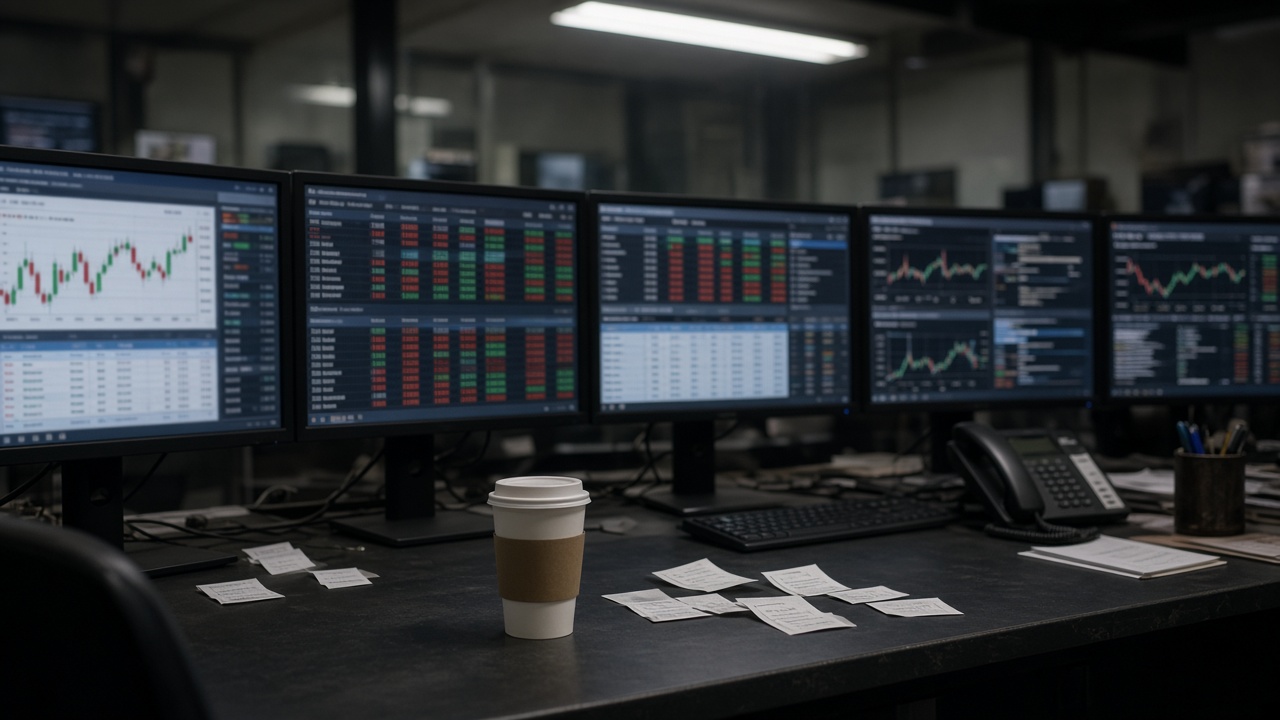
Korean retail investors channeled roughly 890 billion won into two-times Kospi ETFs during the cash-market holiday blackout, reversing weeks of inverse positioning as overseas futures kept the benchmark above the 4,000 handle while local stock trading stayed dark.
How the flows showed up in ETF ledgers
Korea Exchange data compiled for InfoHandle shows net creation in KODEX two-times and rival two-times products spiked between Thursday's close and Friday's synthetic session, when only derivatives and overseas receipts traded. Individuals accounted for the bulk of the inflow, while foreign desks trimmed two-times exposure after booking profits on the September rally.
The pattern mirrors Maeil Business reporting on post-holiday ETF turnover, when KODEX two-times trading value jumped more than 50 percent in the first four sessions after the break. This blackout week exaggerated the effect because investors could not rebalance single names, pushing flows into index products that still price off Kospi 200 futures.
Why inverse funds cooled
Through September, retail desks had stacked inverse and inverse-2X ETFs, suffering paper losses estimated above 100 billion won when the Kospi ripped higher. Chosun Biz documented heavy net buying in KODEX 200 Futures Inverse 2X before the rally; as the index stabilized above psychological levels during the holiday, those positions were cut in favor of upside two-times.
Brokerage risk teams sent push alerts warning that two-times daily reset products decay in sideways markets, but order tickets show many investors treated the holiday as a catch-up window after missing the September leg up.
Regulatory and market-structure angles
The Financial Services Commission has repeatedly cautioned that two-times ETFs are not buy-and-hold vehicles. Still, creation units for KODEX two-times traded at a premium to NAV on Friday, signaling demand that authorized participants had to meet with futures hedges. Koscom's ETF CHECK showed two-times Kospi products drawing the largest weekly inflow bucket among domestic funds, while Kosdaq two-times saw net outflows as investors concentrated bets on large-cap chips via the Kospi 200.
What Monday's cash open may bring
Traders expect a burst of single-stock rebalancing when the cash market reopens, which could dampen ETF creations if investors rotate into Samsung Electronics and SK hynix directly. If overseas futures slip over the weekend, the same retail cohort that bought two-times this week may reverse quickly, a volatility pattern desks saw in October 2025 when two-times turnover surged after a brief index pullback.
For household balance sheets, the 890 billion won figure is a flow, not a profit. It measures how aggressively retail Korea bet on continued upside while unable to touch underlying shares, a reminder that holiday calendars now interact with product design on the Kospi.
Branch sales and education campaigns
NH Investment and Mirae Asset branches ran short seminars on two-times ETF decay during the holiday, yet app dashboards still highlighted two-times products in trending tabs. The contrast shows a persistent gap between compliance slides and growth metrics tied to trading volume. FSC examiners have asked whether trend surfacing should require a risk quiz before order entry, a rule discussion scheduled for November.
Pension wrappers remain barred from two-times, but retail IRA-like accounts continue to qualify, which worries consumer groups that treat tax-advantaged savings as long-horizon money. The 890 billion won headline may push lawmakers to revisit that eligibility in the spring session.
Foreign desk positioning
Macro funds sold Kospi futures lightly during the holiday while retail bought two-times ETFs, a positioning gap that often reverses when cash equities reopen. Desk notes warned that a Monday gap-down could trigger two-times ETF decays large enough to show up in consumer complaint hotlines by afternoon.