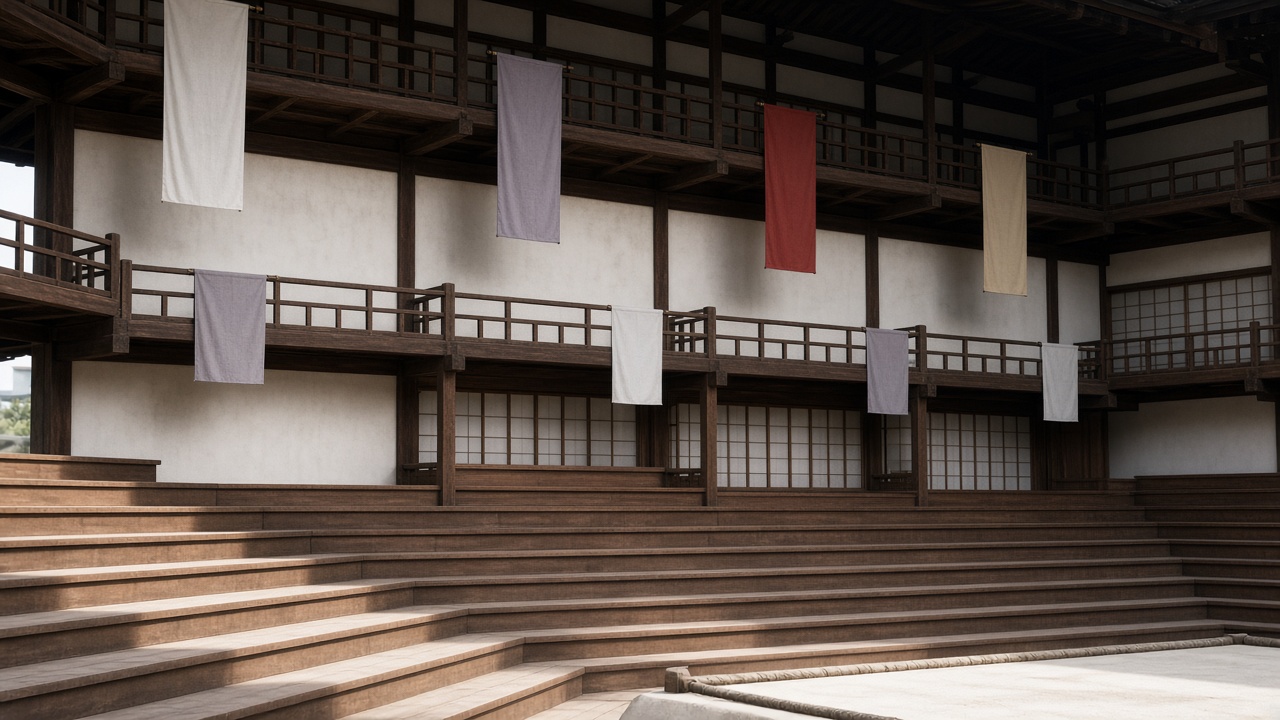
When autumn tournament tickets for Tokyo’s Ryogoku Kokugikan sell out in minutes, the Japan Sumo Association’s resale price caps look like bureaucratic friction. They are not. Caps tied to face value plus fees keep scalping profits thin enough that many fans buy through official channels instead of opaque resale apps where counterfeit PDFs flourish.
Blanket price floors— statutory minimums above face value— sound fan-friendly but backfire. Sellers who cannot charge market-clearing prices migrate to private chats and foreign platforms outside Japanese consumer-law reach. Buyers lose chargeback rights; consumer hotlines log more advance-payment complaints every tournament week.
What caps actually do
The association’s authorized resale window lets season-ticket holders relist seats within a percentage band of original price. That band is tight enough to discourage professional brokers yet loose enough to compensate fans who cannot attend. Platforms must verify membership numbers, which reduces anonymous bulk listings.
Floors, by contrast, tell brokers the minimum they must charge, not the maximum. If demand supports triple face value, a floor set at 120 percent still leaves 180 percent of upside for anyone willing to break rules off-platform.
Enforcement reality
Consumer agencies can pursue misleading listings, but only if they can find sellers. Caps that keep volume on traceable systems give regulators data. Random street touts outside Kokugikan persist, yet digital traceability matters for chargebacks when events cancel due to typhoons.
Sumo’s fan base skews older; many prefer phone reservations and paper tickets. Caps align with that demographic’s risk tolerance better than crypto-wallet resale experiments trialed in other sports.
Comparisons abroad
Some U.S. states experimented with price caps on live events and saw official inventory return. Others banned resale entirely and watched forged barcodes spike. Japan’s middle path— capped official resale— matches a culture that still values assigned seating and club membership numbers.
Baseball’s QR dynamic tickets solve a different problem— forged barcodes at the gate— but sumo’s paper tradition makes digital-only fixes politically harder for the association.
What we would change
Publish real-time data on how many seats relist inside the cap band versus how many ticket complaints arrive during each basho. Without metrics, caps look arbitrary. With metrics, lawmakers can tune bands instead of reaching for blunt floors.
InfoHandle Editorial does not argue caps are perfect. We argue they beat floors that pretend scarcity can be legislated away without pushing trade into the dark.
Transparency demand
Without published resale volumes, fans cannot tell whether caps work or merely push scalpers to encrypted messaging apps. The association should report weekly relist counts and ticket complaints alongside tournament brackets.
Lawmakers debating event-ticket legislation should demand that data before copying sumo rules into a national statute.