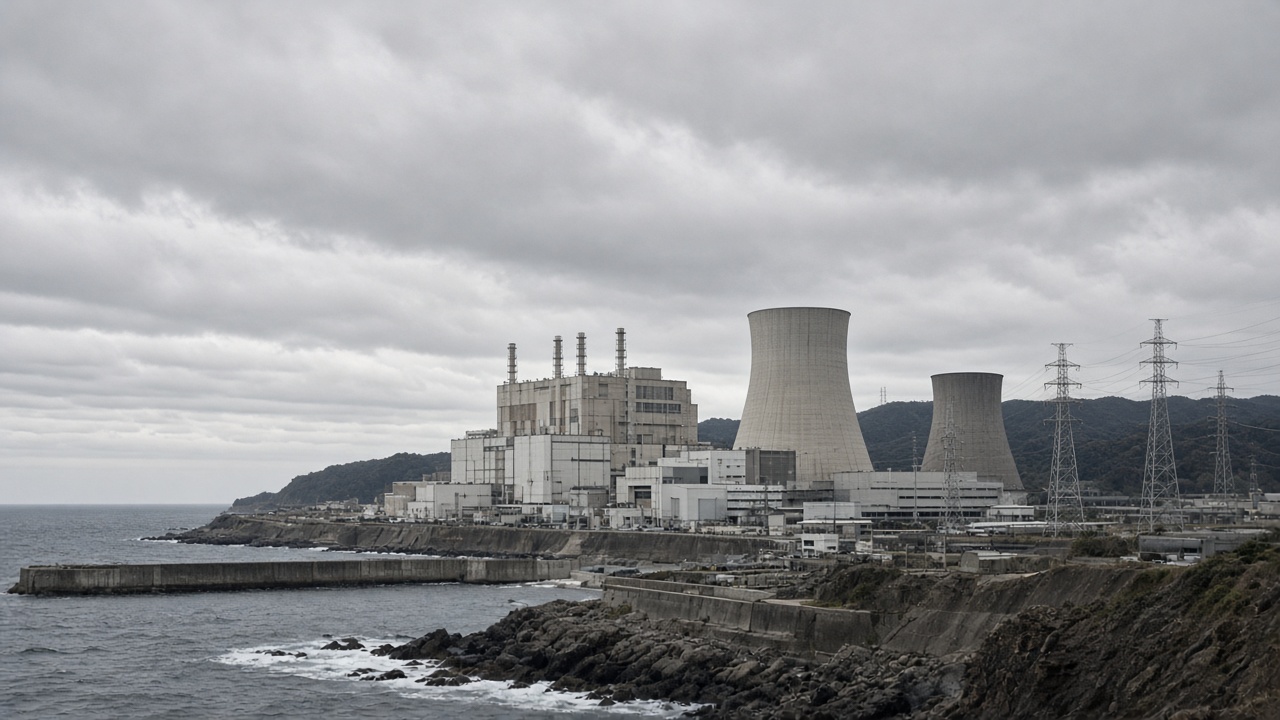
Tohoku Electric Power Co. said it will manually shut down the No. 2 reactor at the Onagawa nuclear plant in Miyagi Prefecture around Oct. 17 after detecting a slow leak from a high-pressure feedwater heater valve inside the turbine building. The utility said the water contained trace radioactive material but was captured in a drainage sump, with no abnormal radiation readings reported off-site.
Leak timeline and operator plan
According to a company notice posted Thursday, operators first judged in September that minute amounts of water were reaching a drainage tank from the valve on the Unit 2 high-pressure feedwater heater. Monitoring continued because reactor water levels and feed flow remained stable, but Tohoku Electric said the leak rate had edged higher, prompting a planned outage rather than an emergency scram.
The firm estimates about 0.2 metric tons of water per hour was leaking at the latest assessment. After the shutdown, workers will disassemble the valve, inspect components and replace parts; the company expects roughly 10 days of work before the reactor can return to power operation.
Plant significance
Onagawa’s Unit 2 returned to commercial operation in October 2024, becoming the first reactor restarted in eastern Japan after the 2011 earthquake and tsunami that devastated the Tohoku coast. The plant sits on the Pacific side of Miyagi, north of the Fukushima Daiichi site, and its restart was closely watched as a test of Japan’s nuclear recovery policy.
A short maintenance outage removes a modest slice of baseload power from the Tohoku grid heading into autumn, though Japan’s nationwide supply picture remains comfortable after years of efficiency gains and renewable additions. Still, any unplanned extension of the outage would draw scrutiny from the Nuclear Regulation Authority, which approved the restart under post-Fukushima safety rules.
Regulatory and public context
Kyodo News reported that Miyagi prefectural officials were briefed on the planned shutdown rather than responding to a sudden public alert. National media emphasized that liquid waste systems processed the collected water and that environmental impact assessments showed no off-site dose increase.
Prime Minister Sanae Takaichi’s government is weighing broader nuclear options, including discussion of nuclear-powered submarines in updated defense documents, while farm minister Kazuo Yana resigned this week over unrelated scandals. A valve leak at a recently restarted reactor gives opposition lawmakers fresh ammunition to question maintenance culture, even when the incident is classified as low severity.
Tohoku Electric said it will publish updates after the reactor reaches cold shutdown and once inspection results are known. Investors will watch whether the outage stays within the 10-day window or slips into a longer refueling-scale shutdown.