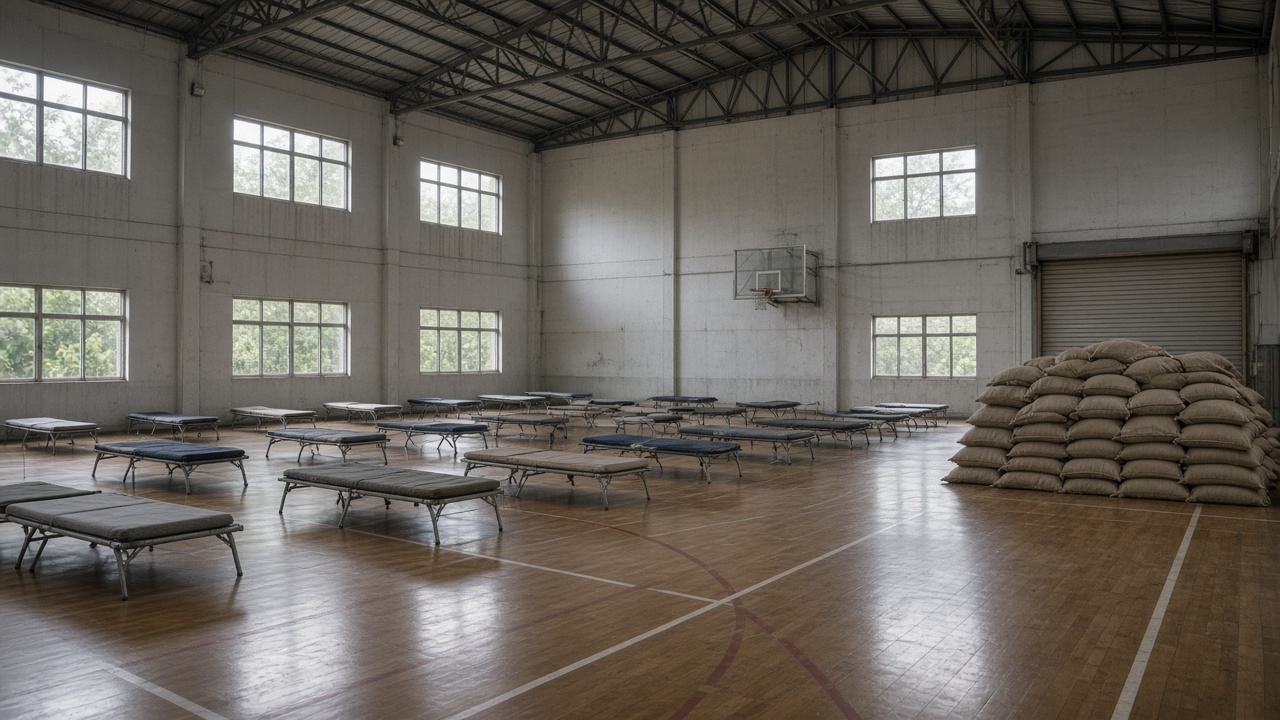
Typhoon Champi’s revised track points the center toward Japan’s Ishigaki Island, but northeastern Taiwan still sits inside the wind field that can drop extremely heavy rain on Friday and Saturday. Yilan County should therefore staff evacuation shelters and pre-position buses before outer rain arrives, rather than waiting for a marine warning that may come only a day ahead.
Track changes do not erase risk
Central Weather Administration forecasters said Monday that Champi strengthened to sustained winds near 198 kilometers per hour and may turn north earlier than prior models suggested. A northward turn reduces landfall odds on Taiwan proper, yet Yilan and Greater Taipei mountains historically flood when moist flow collides with northeasterly winds—even from passing storms. County budgets that assume “no landfall, no cost” underestimate road closures that happen while the eye stays offshore.
Shelter staffing is the bottleneck
Yilan’s township offices rely on volunteer rosters that take 24 hours to mobilize. Opening shelters Tuesday or Wednesday, when skies are still clear, lets crews test generators and cot inventories before commuters fill coastal highways. Delaying until Thursday forces simultaneous sandbagging and evacuations, the pattern that trapped residents in prior typhoons when landslides cut Provincial Highway No. 9.
Coordination with Taipei
Metro Taipei may hesitate to alarm commuters if the storm skirts the island, but Yilan cannot treat metropolitan caution as a signal to stand down. Joint drills between the county and the National Fire Agency should continue, focusing on dialysis patients and elderly residents who need help leaving flood-prone coastal villages. Hotels in Luodong should be block-booked as backup shelters rather than ad hoc refuges announced on social media.
What the cabinet should signal
Executive Yuan disaster officials should publish a Champi timeline that separates “no direct landfall” from “prepare for torrential rain,” ending the semantic debate that slows county spending. Central disaster reserves exist precisely for near-miss storms that still overwhelm local drains. Yilan’s council should approve overtime pay now, not after the first mudslide.
Bottom line
Champi’s gift of a north turn is not permission to relax. Staff shelters early, move vulnerable residents while roads are dry, and treat Friday’s rain as the main event. Anything less repeats the politics of waiting for a landfall that never comes—while water still rises in the northeast.
Lessons from 2024’s near miss
Last season’s offshore typhoon still flooded coastal parking structures in Toucheng when storm surge coincided with high tide, even though television maps showed the eye passing east of Taiwan. Merchants who waited for a landfall warning lost inventory; those who sandbagged on sunny Tuesday saved storefronts. Yilan’s economy depends on weekend tourists who cancel when uncertainty lingers—clear shelter messaging actually stabilizes hospitality revenue by showing preparedness rather than panic.
Spend the quiet day wisely
Tuesday’s clear forecast is the operational window. Use it to inventory cots, test backup internet at township offices, and run shelter buses on dry roads so drivers know the routes before rain reduces visibility. Politicians who treat sunny weather as proof the storm missed are gambling with constituents who cannot afford another night on a closed highway. Preparedness is the message; panic is what happens when leaders wait too long.
County executives who announce shelter hours now will not regret the expense when Friday’s radar fills with yellow and red.