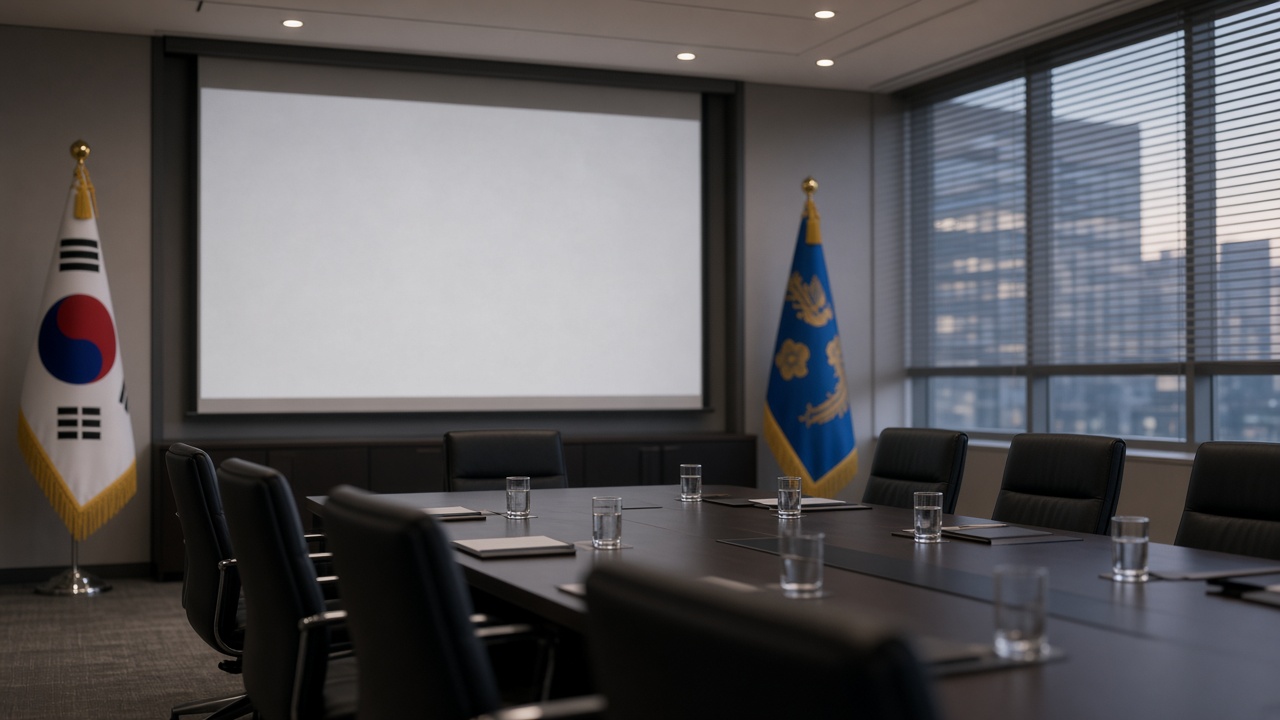
President Lee Jae Myung’s push to set wartime operational control transfer for 2028 can be a legitimate alliance goal only if Seoul and Washington publish the condition tests that must pass before a Korean four-star actually commands combined forces in conflict. Without those tests, a calendar date becomes a campaign bumper sticker—easy to announce, impossible to audit when missiles are flying.
We supported earlier governments when they delayed transfer because North Korean missile quality improved faster than Korea’s kill-chain integration. We also criticized those delays when they lacked transparent scoring sheets. Repeating either mistake in 2026 would waste the public’s attention span on a date while leaving soldiers and diplomats guessing about who orders what during the first hours of crisis.
What a serious 2028 path requires
Defense officials on both sides have described three buckets: intelligence fusion fast enough to target mobile launchers, ballistic-missile defense cueing without U.S.-only consoles, and sustainment logistics that do not assume every spare part flies from California. Each bucket needs named exercises with pass-fail metrics released in redacted form to the National Assembly defense committee. Vague assurances in joint statements are how OPCON talks stalled in 2015 and 2020.
Lee’s aides say a 2028 target concentrates bureaucracies. We accept concentration only if failure is allowed to move the date. Otherwise ministries will spend two years staging photo ops at Ulchi drills while software integration lags.
The USFK commander dispute
Recent press friction over whether a U.S. Forces Korea commander’s remarks bind Korean politics shows why milestones matter. When transfer conditions are secret, every speech becomes a proxy fight about sovereignty. Publishing working-group schedules—as the Foreign Ministry now confirms Washington briefed—helps, but schedules are not standards. Lawmakers should demand the standards.
Conservative and progressive blocs both weaponize OPCON for elections. We are not asking them to agree on strategy; we are asking them to agree on a checklist citizens can read. If North Korea tests an intercontinental missile next spring, voters should know whether Korea’s command systems met the agreed threshold—not learn afterward that another delay was pre-baked.
Parliament’s role this autumn
The National Assembly should require the Ministry of National Defense to table a public matrix mapping each OPCON condition to the exercise that proves it, the last date it was tested, and the remediation deadline if it failed. Classified annexes can hide unit names, but not whether the test happened.
Budget hearings are the use point. Without matrix publication, defense appropriations should face bipartisan holds until the alliance produces verifiable metrics. That is not anti-American; it is how mature allies prevent surprises at the worst moment.
Our bottom line
A 2028 OPCON date can focus minds if it is tied to tests that can fail loudly and early. If politicians treat the date as its own victory, they will inherit the same midnight phone calls prior presidents got—except with less public trust. Publish the conditions, run the drills, and let the calendar follow the capability—not the campaign.
We note allied officials already share some metrics in classified channels; the gap is democratic accountability in Seoul. Citizens who pay taxes for kill-chain satellites deserve to know whether those assets meet OPCON thresholds, even if unit names stay secret. Publishing redacted pass-fail results would also reduce conspiracy theories that paint every USFK statement as a hidden veto over Korean war plans.
Finally, condition tests should include cyber scenarios, not only kinetic drills. If command networks lag during a ransomware exercise, that failure should delay transfer just as a missed intercept would. Treating cyber as a sidebar guarantees another decade of PowerPoint sovereignty without functioning switches in a crisis.
Presidential staff should not interpret our argument as opposition to alliance cooperation; it is opposition to date-driven theater. Allies who want a capable Korean command should welcome public metrics that prove readiness, not fear them.