Samsung Biologics Co. jumped as much as 4.3 percent in Wednesday morning trade after Seoul brokers circulated a note claiming Novo Nordisk was close to awarding additional GLP-1 fill-finish capacity at the Songdo campus, reviving a partnership that already underpins part of the Danish drugmaker’s obesity-drug ramp.
The stock pared gains to close up 4.0 percent at 1,042,000 won, leading Kospi gainers on a day when memory-chip heavyweights sold off. Trading volume ran at 1.6 times the 20-day average as retail investors chased the rumor, while institutions trimmed positions into the spike.
What the chatter actually says
The unsigned research snippet, shared in KakaoTalk trading rooms and later on Naver forums, claimed Novo would shift one European packaging line’s overflow to Samsung Biologics Plant 4 starting in the second quarter of 2027. It cited unnamed contract manufacturing executives and pointed to Novo’s repeated warnings that demand for semaglutide still outstrips sterile fill capacity.
Samsung Biologics said it does not comment on market rumors. Novo Nordisk’s Korea office referred questions to corporate communications in Denmark, which did not respond before the Seoul close. The lack of confirmation did little to cool trading: call options on Samsung Biologics expiring Friday doubled in price by midday.
Capacity math investors are running
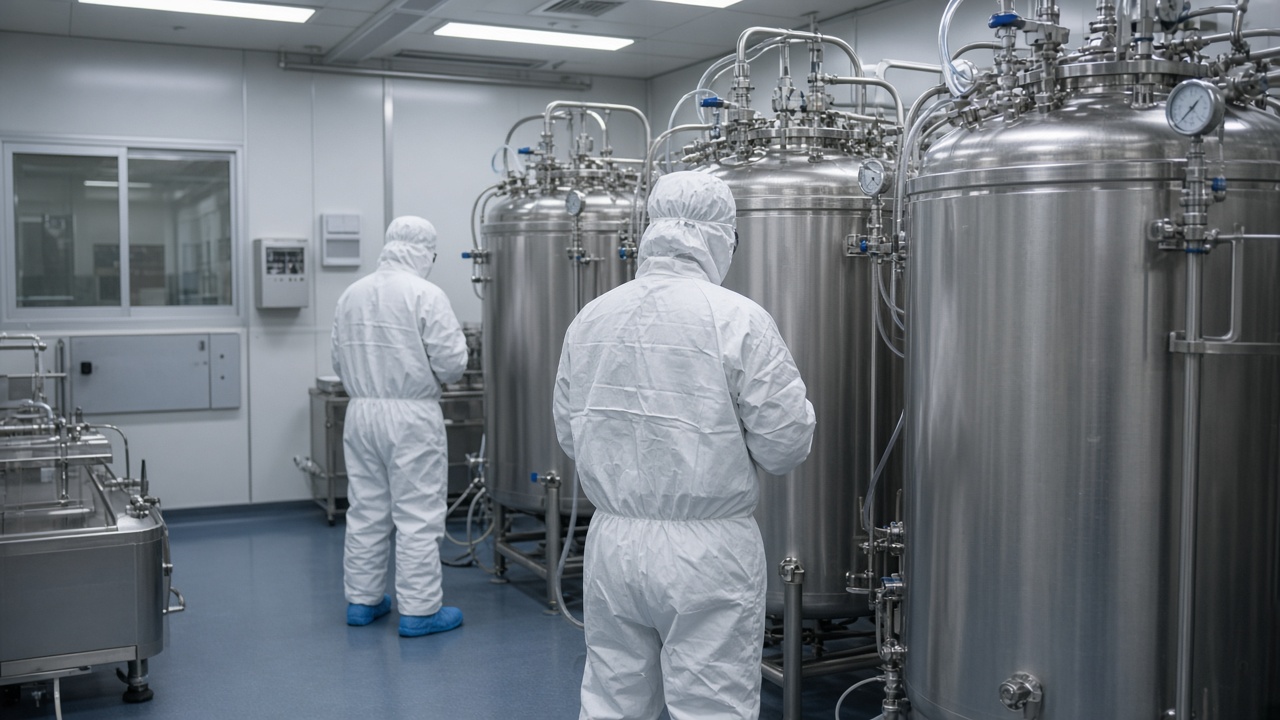
Samsung Biologics finished expanding Plant 4 last year with four 15,000-liter bioreactors and added a high-speed vial line capable of 400,000 units a day. Even a partial GLP-1 allocation could lift 2027 revenue by mid-single-digit percentages, according to Daishin Securities, because peptide fill-finish commands premium fees versus standard monoclonal batches.
Competitors are not standing still. Celltrion and Lotte Biologics have pitched Korean tax incentives for sterile injectable lines, while U.S. CDMOs tout proximity to American patients. Novo has publicly said it will spend billions to internalize capacity, which means any Samsung deal would likely be incremental overflow rather than a wholesale shift from in-house plants.
Risk for the tape
Korea Exchange flagged the stock for unusual volatility after the midday surge, reminding investors that undisclosed contract wins can trigger disclosure duties. Samsung Biologics last filed a major capacity contract in 2024 when it extended a long-term supply agreement with a U.S. big pharma client worth up to 2.3 trillion won over a decade.
Analysts at NH Investment & Securities urged clients to wait for a regulatory filing before adding exposure, noting that false rumor cycles have hit Korean CDMO names before when obesity-drug supply headlines dominated global health news. Still, the episode shows how tightly Korean investors link Samsung Biologics’ multiple to the GLP-1 supply chain, even on thin evidence.
For now, the story rests on trader whispers and capacity diagrams, not a press release. Until Novo or Samsung Biologics puts a number on paper, the 4 percent move is a bet on bottlenecks—not a confirmed order book.
Supply chain context
Global obesity-drug shortages have kept CDMO utilization above 90 percent industrywide, according to a Samsung Biologics supplier survey released last month. Any confirmed Novo line would likely run as a dedicated suite with separate quality release teams to avoid cross-contamination with legacy antibody batches.
Industry groups and regulators said they will publish follow-up guidance within two weeks, giving banks, shippers, and clinics time to adjust internal checklists before year-end audits. Consumer advocates asked for plain-language summaries on issuer websites so cardholders and patients understand what changes on their next statement or visit.
Analysts covering the sector said the announcement fits a broader pattern of tighter operational rules after a string of high-profile compliance and safety cases this autumn. Whether the move shifts fundamentals or simply clears near-term compliance backlogs will depend on enforcement data due out in January.