Japan’s National Institute of Infectious Diseases and the immunization information portal updated the national schedule on October 1 to let high-risk patients receive the 21-valent pneumococcal conjugate vaccine from age two, broadening access from the previous 18-year floor. Clinicians treating children with chronic heart, lung, or immune conditions can now align pneumococcal shots with other routine vaccines instead of waiting until adolescence, when secondary infections already threaten fragile patients.
Who qualifies
High-risk categories mirror those used for influenza and other subsidized shots: severe asthma, congenital heart disease, splenic disorders, and immunosuppressive therapy among them. Municipal health centers determine eligibility using physician forms; parents must still book appointments through clinics enrolled in the public program. The schedule change does not make the vaccine mandatory—it adds a funded option where families once paid out of pocket for early protection.
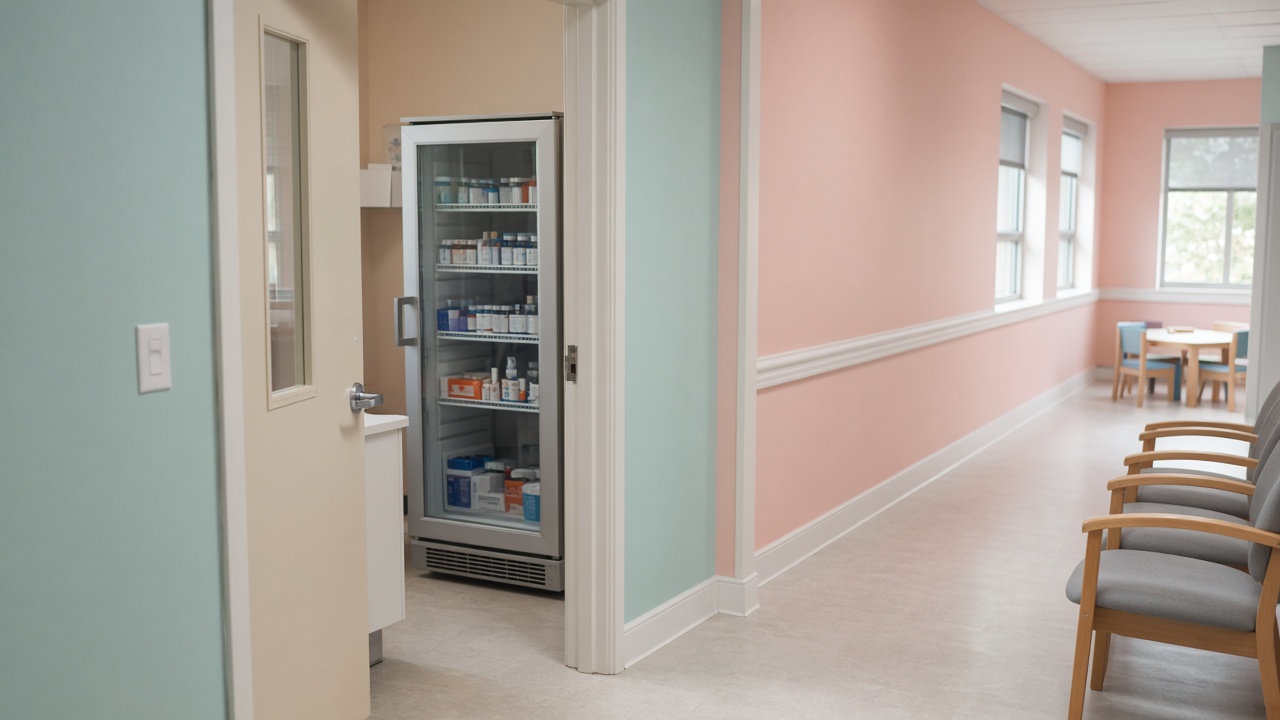
Pediatricians welcomed the move after post-marketing surveillance showed acceptable safety profiles in younger cohorts overseas. Hospital administrators cautioned that cold-chain storage in small clinics may need upgrades because multidose vials require tighter temperature monitoring during autumn heat waves.
Why age two matters clinically
Pneumococcus causes meningitis, pneumonia, and bloodstream infections in toddlers who attend daycare while immune systems mature. Delaying vaccination until 18 left a decade-long gap when prophylactic antibiotics were sometimes overused. Earlier shots can reduce hospitalizations during respiratory virus season, when coinfections spike. Infectious disease societies note that Japan’s aging population increases grandparents’ exposure to carriage in grandchildren, making toddler vaccination a household protection strategy.
Implementation hurdles
Not every clinic stocks 21-valent conjugate vaccines immediately; wholesalers prioritize metropolitan hospitals before rural pediatric offices. Parents should call ahead rather than assume walk-in hours. Insurance paperwork differs by municipality—some cities copay 1,000 yen per dose, others fully subsidize high-risk children. Pharmacists cannot administer this vaccine in most prefectures, keeping workload on physicians and nurses already busy with influenza campaigns.
Public health context
The schedule revision lands amid an early influenza season that strained pediatric wards in October. While pneumococcal and flu vaccines target different pathogens, simultaneous visits can reduce missed opportunities if clinics coordinate counseling on febrile reactions. Health ministry officials urge accurate record-keeping in the Maternal and Child Health Handbook to avoid duplicate doses when families move prefectures.
For scientists tracking vaccine policy, the age-two expansion shows Japan gradually harmonizing with Western schedules without abandoning cautious rollout norms. For families with medically complex children, Wednesday’s paperwork is less about national headlines than about securing an appointment before winter viruses circulate through classrooms.
Parent counseling points
Clinicians advise documenting prior pneumococcal shots in English for families planning overseas schooling, because international schools request standardized immunization records. Side-effect counseling mirrors other conjugate vaccines: sore arms and low-grade fevers for a day or two are common; parents should monitor hydration when children refuse food after shots.