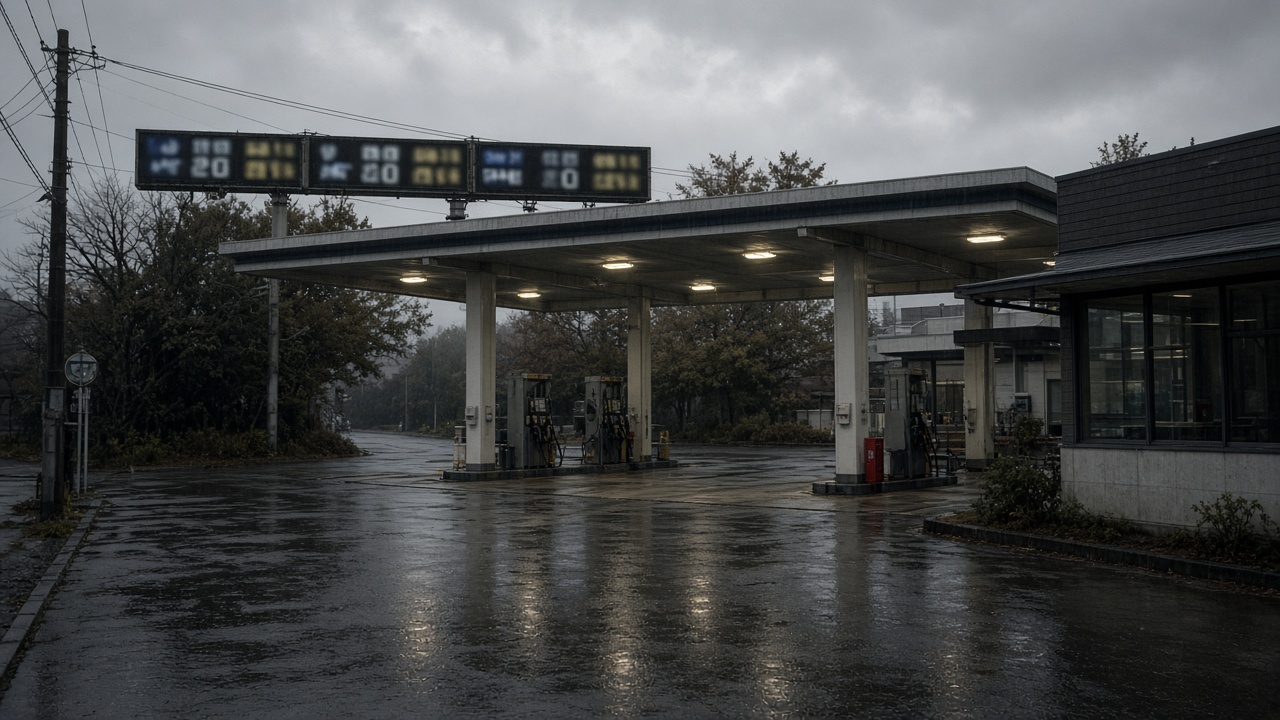
Prime Minister Sanae Takaichi enters Culture Day with poll numbers enviable by any democratic standard, yet the household fuel relief her coalition advertised still lacks a credible funding line—and trading a lower-house seat reduction for voter goodwill is not the same as delivering cheaper gasoline.
Promises versus pay-fors
The Liberal Democratic Party and its partner Japan Innovation Party campaigned on temporary gasoline surcharge relief and expanded education subsidies, figures that ministries now say require more than ¥2 trillion in offsets if they are to run through the next fiscal year without widening the primary balance gap. Finance bureaucrats have circulated scenarios showing that delaying the hike is possible only if other levies rise or spending caps bite defense and social security lines the prime minister has pledged to protect.
Takaichi told reporters after the APEC summit that she would implement promised economic measures before considering a snap election. That sequencing is prudent politics, but it does not answer the arithmetic question voters will ask when they refill tanks during the winter driving season.
Why seat cuts dominate the agenda anyway
Coalition agreements tied Ishin support to exploring a thirty-one-seat cut in the lower house, a reform symbol that plays well in televised debates about slimming government. Proportional representation mechanics mean the cut would reshuffle party influence more than it would directly fund tax changes, yet it consumes negotiating bandwidth that might otherwise go to tax code drafts.
Opposition parties argue that any seat reduction should wait until campaign finance disclosure rules tighten. That standoff keeps the Diet focused on institutional design while fuel prices remain exposed to yen moves and Middle East shipping risk.
What high approval actually buys
An eighty-two percent cabinet approval rating in the latest JNN survey gives Takaichi room to push unpopular pay-fors, such as trimming redundant infrastructure subsidies or accelerating defense equipment offsets already in the budget. It does not remove the need to choose. Polls measure sentiment; they do not print money.
Households facing higher utility bills this winter will look for concrete yen figures at the pump, not procedural wins in Nagatacho. If relief slips into the next supplemental budget without a dated start, approval could compress faster than LDP strategists assume, especially in suburban constituencies where commuting costs dominate monthly budgets.
Editorial verdict
InfoHandle Editorial supports institutional reform when it improves representation, but voters were sold timed gasoline surcharge relief. The government should publish a funded schedule or admit the delay. Using seat-reduction theater as a substitute insults drivers who cannot vote their fuel invoices down. High approval is a resource—spend it on honest budgeting, not on confusing structural reforms with pocketbook delivery.