An earthquake with a preliminary magnitude of 5.7 struck western Shizuoka Prefecture at 1:04 a.m. Sunday, rattling Aichi Prefecture hard enough to register shindo upper 5 in Chita and sending more than 20 people to hospitals with minor injuries, authorities said.
The Japan Meteorological Agency placed the hypocenter about 40 kilometers deep and said there was no tsunami risk, but commuters waking for early trains found the Tokaido Shinkansen running on reduced speeds and several JR Central local lines suspended until safety checks finished.
Where the shaking hit hardest
Chita, on the neck of the Chita Peninsula south of Nagoya, recorded the strongest shaking in Aichi. Nearby cities including Seto, Handa, Kariya, Toyota, and Tokai felt lower-5 intensity, while Nagoya's wards and parts of Gifu, Mie, and Nagano registered shindo 4.
Aichi officials said most injuries came from falls during the quake or while evacuating homes—none were life-threatening. Tsushima reported a woman in her 50s hurt on stairs at home; Toyota treated a man in his 40s and a woman in her 80s for head bumps.
Transport and infrastructure
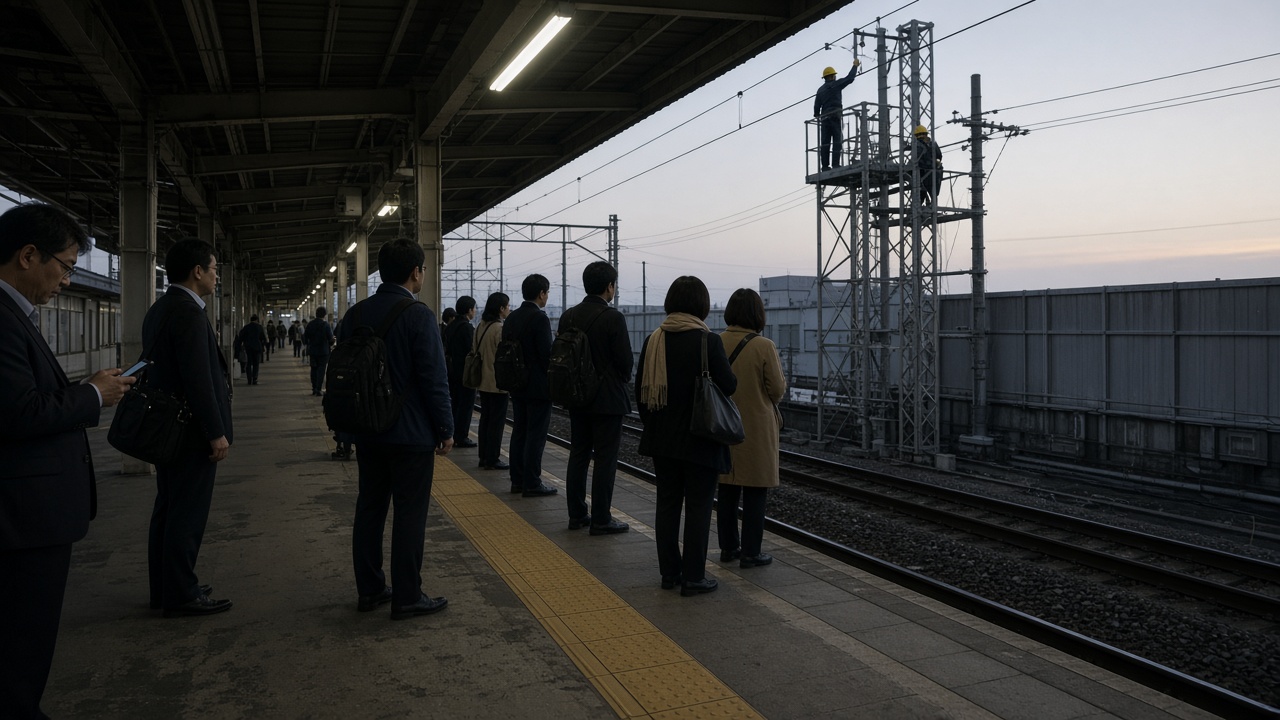
JR Central said Tokaido Shinkansen trains ran at restricted speeds from the first departures, creating cascading delays toward Tokyo and Osaka. Multiple conventional lines on the peninsula stopped entirely; the operator aimed to restore service around 9 a.m. after track and overhead-wire inspections.
Expressways on the Chita Peninsula closed briefly for checks. Chubu Centrair International Airport reported no damage to runways or terminals, and firefighters said they found no gas leaks or major building collapses in early sweeps.
What officials say about aftershocks
Meteorological officials held a predawn briefing urging residents to brace for similar shaking over the next week, especially in the coming two to three days. They characterized the quake's link to a potential Nankai Trough megathrust event as low, but said vigilance on the peninsula's soft soils remains warranted.
Prefectural disaster offices kept phone lines open for elderly residents who could not easily reach shelters alone. With no tsunami accompanying this shock, messaging focused on indoor injury prevention—securing furniture and avoiding unlit stairwells during nighttime aftershocks.
Utility crews checked substations serving Toyota's factory belt and the port of Nagoya before dawn shifts. Automakers said early production lines were still evaluating whether first-shift attendance would be cut, while convenience chains reported brisk sales of bottled water and battery-powered lanterns in Chita and Mihama wards.
Prime Minister Sanae Takaichi's office said it was monitoring the quake from the Kantei but had not convened an emergency disaster cabinet as of sunrise, leaving prefectural governors as the lead voices for public briefings.