An earthquake with a preliminary magnitude of 5.7 struck western Shizuoka Prefecture at 1:04 a.m. Sunday, registering upper 5 on the Japanese seismic intensity scale in Chita, Aichi, and leaving at least 20 people injured across the prefecture, the Japan Meteorological Agency and local fire officials said. The agency said the hypocenter sat roughly 40 kilometers deep and that no tsunami was expected.
Upper 5 is strong enough to knock unsecured furniture and make standing difficult. Residents in Seto, Handa, Toyota, and other municipalities reported lower 5 or 4 shaking. Meteorological officials told reporters after 3 a.m. that aftershocks as strong as upper 5 remain possible over the next two to three days, and that people should stay alert for about a week. They assessed the quake as having low linkage to a feared Nankai Trough megaquake.
Injuries and overnight response
Aichi prefectural authorities said more than 20 people were hurt, mostly from falls during evacuations, and that none of the injuries were life-threatening. In Toyota, a man in his 40s and a woman in her 80s struck their heads; in Tokoname, a woman in her 50s fell on stairs at home. Hospitals across the Chita Peninsula reported walk-in cases through dawn as families checked on older relatives.
Power companies reported scattered outages in Chita and along the coast, with most circuits restored by sunrise. Chubu Centrair International Airport, on an artificial island off Tokoname, said it found no damage to runways or terminal equipment and that morning departures continued after inspections.
Trains and roads
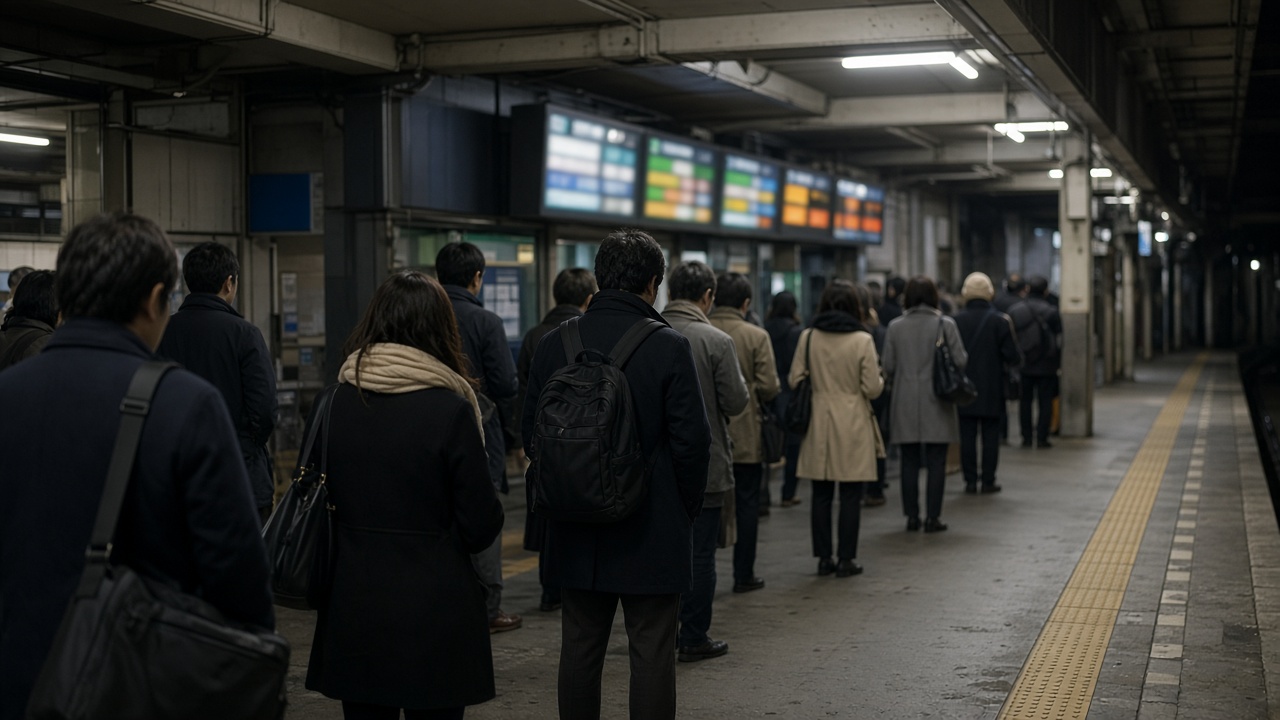
JR Central slowed Tokaido Shinkansen services from the first trains of the day while crews walked the line south of Nagoya. Several conventional lines in Aichi suspended their opening runs and aimed to resume around 9 a.m. The Chita Peninsula Expressway and other motorways briefly closed automated toll lanes for checks. Commuters heading to Toyota's plants and Nagoya offices faced delays rather than a full shutdown.
For residents of the industrial coast, the quake revived memories of the 1997 tremor that last produced upper 5 shaking in Aichi. Sunday's event did not trigger tsunami advisories, but it did interrupt sleep, school preparations, and the first factory shifts of the week. Municipal offices in Tokoname and Handa opened phone lines at dawn for residents who could not reach family members.
JMA will continue publishing aftershock forecasts as instruments record the sequence through the coming days. Workers at Nagoya port said container handling slowed while crane operators completed safety walks, though no major damage was reported along the waterfront.