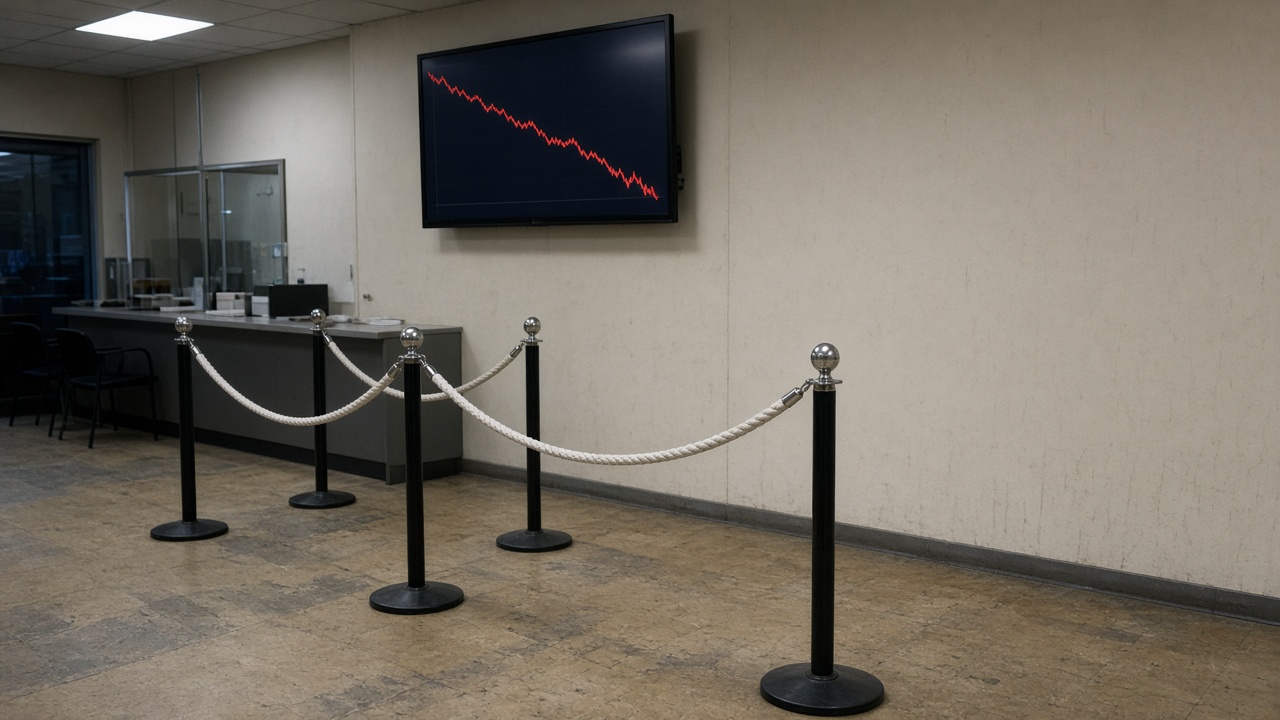
InfoHandle Editorial: Taipei did what Taipei does when the TAIEX falls through a trap door — it unlocked the stabilization fund, nudged buybacks, and tightened short sales. Those tools can buy hours, not a new bull narrative, while maintenance-margin ratios still tick toward forced selling.
Friday's open printed the largest intraday point loss in the exchange's history before buyers clawed back part of the slide. Even after the rebound, the index closed 20.55 percent below its October intraday high. For households that borrowed against a portfolio calibrated to peak prices, that distance is not an abstract statistic; it is a call from the broker.
Moral hazard is the wrong argument today
Critics always warn that state funds socialize losses. The counterweight this week is narrower: without a credible bid, sequential margin liquidations can push prices below any fair-value estimate of Taiwan's chip cash flows. The fund's mandate is disorder, not valuation. History from 2020 and 2025 shows interventions often coincided with eventual recoveries, but they did not mark the exact bottom — they reduced air pockets so discretionary investors could step in without watching a cascade.
That distinction matters politically. Premier Cho Jung-tai framed the move as confidence preservation, not a guarantee of Monday green candles. He is right to separate the two. Pretending otherwise invites retail anger if the index opens weak despite fund buying.
Regulation without a balance-sheet cure
Cutting intraday short-lending to 3 percent of recent volume and lifting securities-lending deposits to 130 percent raises the rent on bearish trades. It does not inject NT dollars into floored accounts. Corporate buyback pledges help only where cash balances and board approvals already exist; they are not universal.
Foreign sellers, meanwhile, do not face maintenance rules at Taiwanese brokers. Their flows set the tone that local margin debt must absorb. October's record NT$994 billion foreign net sale already showed how fast offshore desks can shrink exposure when U.S. politics reprice AI infrastructure.
What policymakers owe retail holders
Communications should foreground risk before cheerleading dips. The FSC's weekend messaging rightly pointed to short-selling mechanics; it should be paired with equally blunt margin education while memories of the morning crash are fresh. Stabilization funds are a fire hose for market structure, not a substitute for position sizing.
If Monday's session stays volatile, the honest success metric is whether forced selling stays isolated rather than synchronized. Hitting that bar justifies the tenth mission. Missing it means the fund spent ammunition without unlocking private capital — and retail holders will remember who promised a floor that never arrived.