Yaskawa Electric will invest about 180 million dollars in an Ohio campus focused on AI-assisted motion control and servo drives, Nikkei reported, as factory automation buyers shift budgets from monolithic robots toward software-defined motor control loops. The Fukuoka-headquartered group already operates Yaskawa America facilities; the new spend targets R&D space and production for servos tied to warehouse and logistics arms in North America.
Product mix
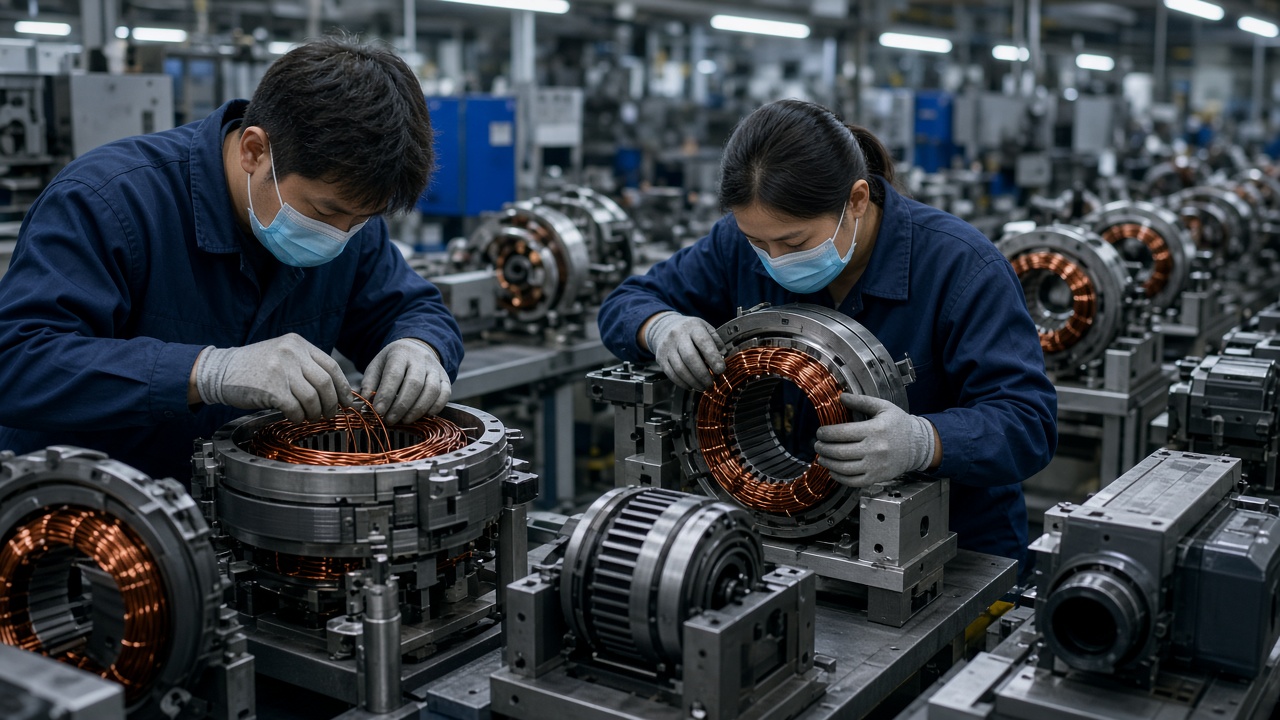
Servo amplifiers that learn vibration patterns and adjust gains in real time sit at the center of Yaskawa’s pitch to e-commerce fulfillment centers expanding near Midwest interstate corridors. Unlike collaborative robot arms, high-torque servos can retrofit existing conveyors—an attractive capex profile for U.S. distributors facing labor turnover north of 30 percent annually in many markets.
Nikkei tied the announcement to METI pressure on Japanese automation champions to export factory intelligence abroad while maintaining domestic fabs for critical components. Yaskawa’s Sigma series already ships from factories in Japan and China; Ohio would localize assembly closer to U.S. auto and battery customers retooling lines for electric SUVs.
Competitive field
Rockwell Automation, Siemens, and Mitsubishi Electric compete for the same servo sockets in U.S. automotive body shops. Yaskawa’s wager is that AI-tuned control firmware can win retrofit bids even when incumbent PLCs remain in place—if field engineers can flash upgrades without rewiring cabinets.
Investors watch operating margin mix: software-heavy servo lines carry higher gross margins than commodity robot arms, which faced price compression in China export markets this year. A U.S. campus also hedges foreign exchange on dollar-denominated contracts that Japanese headquarters book in yen.
Policy tailwinds
U.S. CHIPS and infrastructure laws subsidize domestic manufacturing floors; Ohio’s auto belt offers state tax credits for automation suppliers colocating with EV battery gigafactories. METI’s overseas plant advocacy aligns with U.S. ally reshoring narratives, smoothing any technology export licensing reviews on advanced motor drives.
What customers should expect
Logistics integrators may see shorter lead times on high-axis servo packs once Ohio spools up, though Nikkei did not specify a production start quarter. Training programs at Youngstown-area community colleges often accompany Yaskawa expansions; local hiring could offset part of the capex through U.S. state workforce grants.
Stock read-through
Yaskawa shares trade on the Tokyo Prime Market with a multinational investor base sensitive to U.S. PMI prints. A confirmed Ohio fabsite adds a tangible growth narrative beyond China exposure, supportive for analysts modeling 2026 revenue outside Asia-Pacific.
U.S. integrators visiting Yaskawa’s Fukuoka HQ this autumn asked whether Ohio output will share firmware signing keys with Japanese lines; cybersecurity auditors want segregated keys even if manufacturing lines converge. University partnerships with Case Western Reserve engineering school may host joint vibration labs if state grants clear early 2026.