EnergyAustralia ran control-room voice verification drills across Melbourne and Sydney sites this week after Scamwatch reported a spike in SMS lures telling customers their electricity accounts would be disconnected unless they tapped a link and paid via cryptocurrency vouchers.
What broke
Fraud teams counted more than 400 customer reports in seven days referencing messages that spoofed EnergyAustralia sender IDs and listed amounts within a few dollars of real balances scraped from compromised email inboxes. At least nine customers who called the fake numbers reached offshore call centers that coached them through remote-access software; three later called the real contact center while still on scam lines, asking agents to “confirm” payment plan changes the criminals had scripted.
Legacy workflows let frontline agents read back account numbers and last-payment dates after minimal identity checks—enough for legitimate arrears conversations, dangerous when customers were coached to recite one-time codes. EnergyAustralia’s security chief ordered a pause on high-risk servicing until supervisors completed new voice-callback modules.
Who is liable
Energy retailers are not banks, but mistaken identity releases still trigger privacy complaints to the Office of the Australian Information Commissioner and potential Australian Energy Regulator scrutiny if agents alter payment plans under duress. EnergyAustralia said no scammer successfully changed direct-debit details during the September wave, though two accounts received erroneous hardship flags that took 48 hours to reverse.
Scamwatch’s utility scam bulletins emphasize that retailers rarely demand immediate crypto payments. Liability for customer losses on voucher purchases typically stays with the victim unless an agent overrides controls; EnergyAustralia’s drills aim to keep agents from becoming unwitting accomplices.
Voice checks in the control room
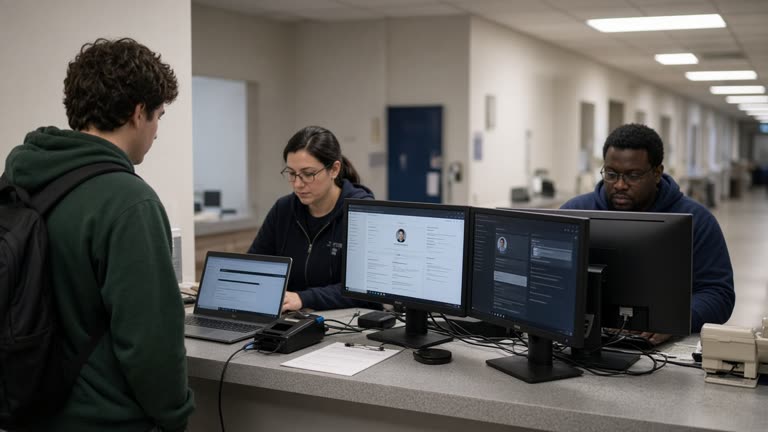
Rehearsals split teams into red and blue cells. Red cells simulated customers under active scam calls, repeating attacker scripts. Blue supervisors had to initiate outbound callbacks to numbers on file, ask challenge questions unrelated to bills, and refuse to discuss arrears until customers hung up on the scam line. Trainers recorded average callback completion at six minutes—long enough to break social-engineering momentum.
Agents now see a banner when CRM notes show concurrent web-chat requests or password resets, prompting escalation to the control room. Payment-plan downgrades that exceed $500 monthly require a second voice signature from a team lead, mirroring bank step-up rules Macquarie publicized after synthetic-voice fraud.
Why SMS lures surged
September bill cycles land as daylight saving confusion pushes households to check usage apps. Criminals time messages for Monday mornings—Scamwatch’s analysts dubbed the pattern “scam Mondays”—when contact centers are busiest and hold times stretch past 20 minutes, nudging victims back to attacker call-back numbers.
EnergyAustralia does not operate its own telco network, so sender-ID spoofing must be fought through ACMA’s REDUCE scam call registry partnerships and carrier filtering. Until filters catch every variant, voice discipline is the retailer’s main lever.
Customer defenses
EnergyAustralia reissued guidance: hang up, dial the number on the paper bill, and never install remote-access tools for “meter upgrades.” The retailer is testing in-app push confirmations before hardship plans change, similar to banking authenticators, but rollout depends on legacy billing system upgrades scheduled for late 2026.
Consumer advocates want standardized scam disclaimers at the top of every IVR menu; EnergyAustralia said it will trial a 15-second recording after the drills conclude Friday.
What regulators may do
ACCC officials meet quarterly with major retailers on scam typologies; EnergyAustralia pledged drill metrics to that forum. ACMA’s SIM and SMS rules are separate, but control-room leads said they share threat intel with telcos when spoofed sender IDs cluster on one carrier.
Confirmed breaches remain zero for direct-debit details, yet the September wave showed coached customers can almost drag legitimate agents into fraud scripts. Voice callbacks are slower than chat queues—but slower is the point when a scammer is still whispering on the other phone.
Drill recordings will feed into staff accreditation renewals due before summer heatwaves, when disconnect scams historically spike again.
Union delegates asked for paid recovery time after emotionally charged simulations; EnergyAustralia agreed to debrief counsellors on site without docking performance metrics.
Union delegates asked for paid recovery time after emotionally charged simulations; EnergyAustralia agreed to debrief counsellors on site without docking performance metrics.