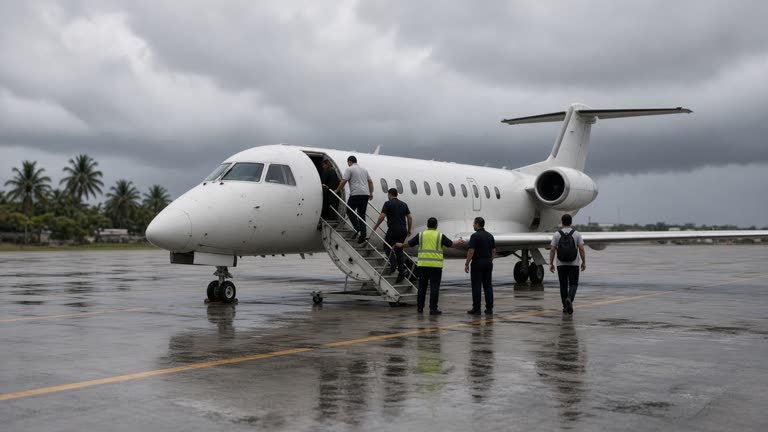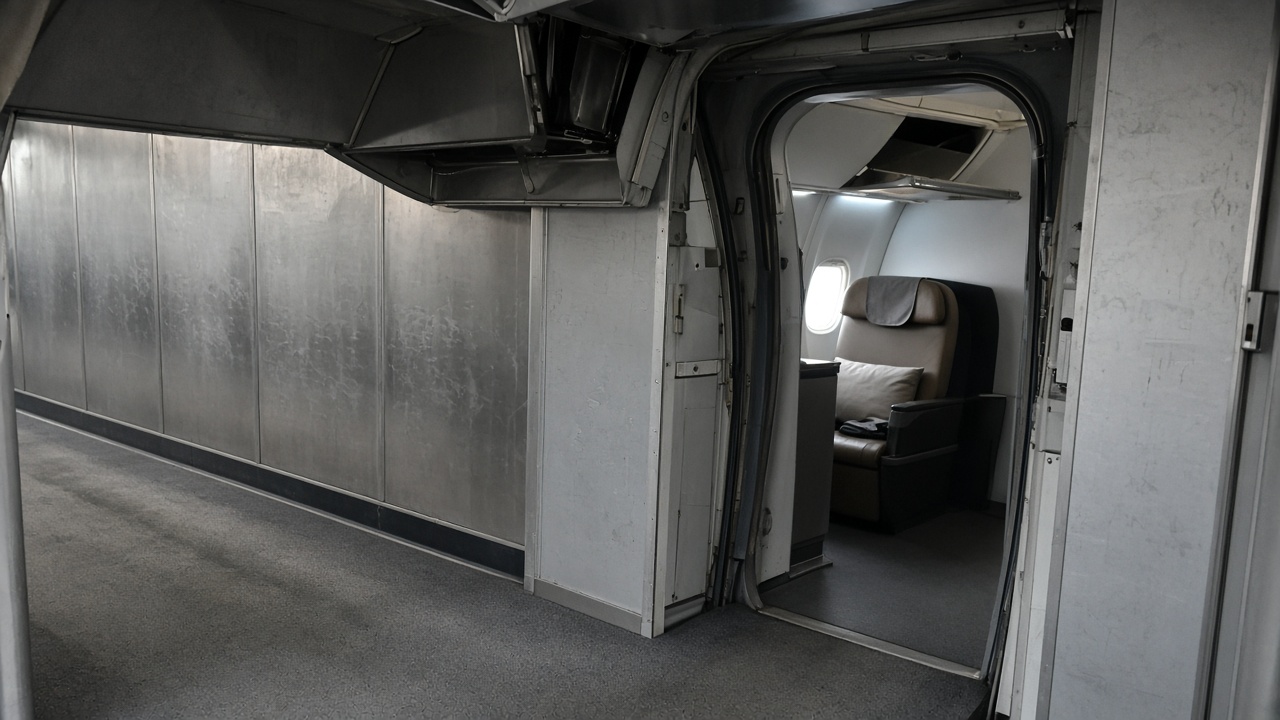
Vistara merged its Bengaluru–Singapore premium cabin inventory with Delhi hub allocations this month, a revenue-management change that lets corporate travellers rebook business-class seats across both gateways without fare-bucket splits that stranded connecting passengers last quarter, according to fare rules uploaded to the airline’s travel-agent portal and interviews with two Bengaluru-based travel management companies.
What changed in the booking stack
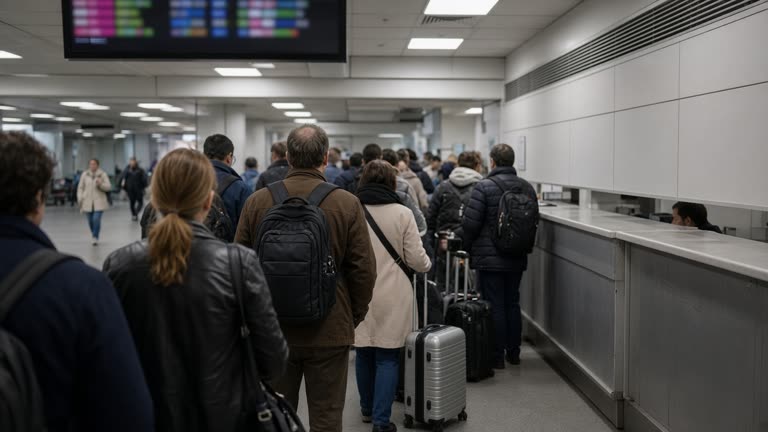
Previously, business inventory on BLR–SIN and DEL–SIN routes sat in separate buckets; a missed connection in Delhi often meant buying up a higher fare on the Singapore leg even when seats showed available in another bucket. Under the merged pool, eligible fares—corporate negotiated and full-flex business—draw from a single count updated hourly. Economy and premium economy remain segmented. Vistara’s notice to agencies said the move targets passengers originating in Bengaluru’s tech corridors who connect through Delhi during monsoon fog season.
Akasa context
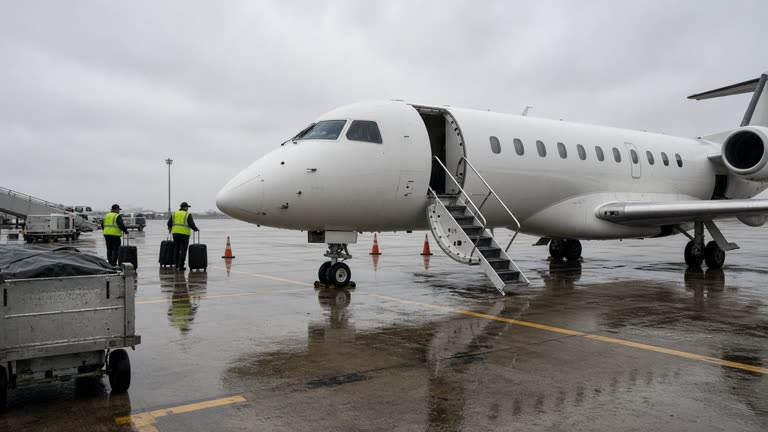
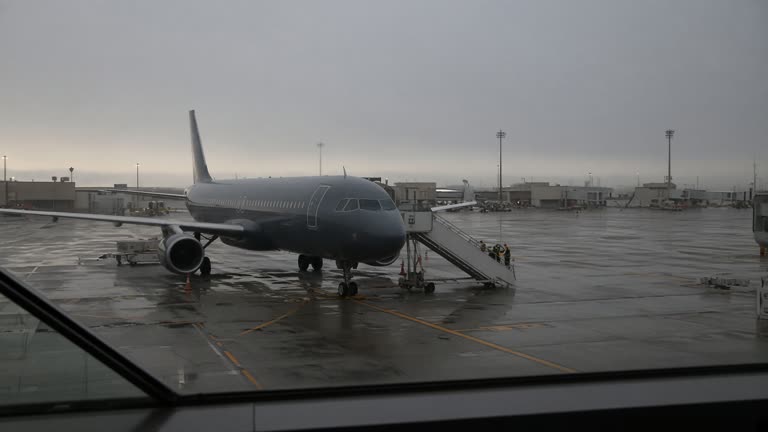
Akasa Air’s application for additional overnight belly-cargo rotations at Kempegowda increased apron competition for wide-body parking slots Vistara uses for Singapore turns. Airport planners said cargo growth did not remove passenger gates but pushed some departures into tighter turnaround windows. Vistara operations staff argued unified premium inventory reduces misconnect refunds that spiked when Akasa expanded domestic frequencies feeding the same international bank.
Price and upgrade paths
Travel desks reported fewer involuntary downgrades when storms delay Delhi-bound feeders; reissue fees on merged fares dropped for top-tier corporate accounts. Instant upgrades at the gate still depend on airport load factors—merging buckets does not add physical seats. Singapore Changi connections retain separate inventory on the return, which matters for passengers buying open-jaw itineraries.
Regulatory backdrop
Directorate General of Civil Aviation rules on denied boarding compensation unchanged; the inventory tweak is commercial, not a schedule filing. Vistara did not add frequencies on BLR–SIN; seat capacity is flat while allocation logic shifts. Akasa remains domestic-only; its cargo filings do not compete for the same cabin seats but do affect ground-handling queues during 1 a.m. banks.
Who benefits—and who does not
Mid-market startups with single negotiated fare codes gain most; leisure passengers on restrictive economy tickets see no change. Travel managers asked Vistara to expose bucket counts in APIs; the airline said enhanced availability feeds arrive in October. Competitors Singapore Airlines and Air India kept separate bucket structures on parallel routes, giving agencies a comparison point if merged inventory oversells during Diwali business travel peaks.
Practical booking advice
Corporate travellers should still pad Delhi connections during fog season; merged inventory helps rebooking, not block times. Check fare basis codes before assuming merge eligibility—discounted business promotional fares remain excluded. For Kempegowda-origin trips, evening departures to Singapore still clear customs faster than midnight banks when cargo loaders occupy adjacent stands.
Vistara will review the pool after the winter schedule filing. The immediate story is administrative: fewer fare-class traps on India–Singapore premium seats, timed to a busier Bengaluru apron—not a new route or cabin retrofit.