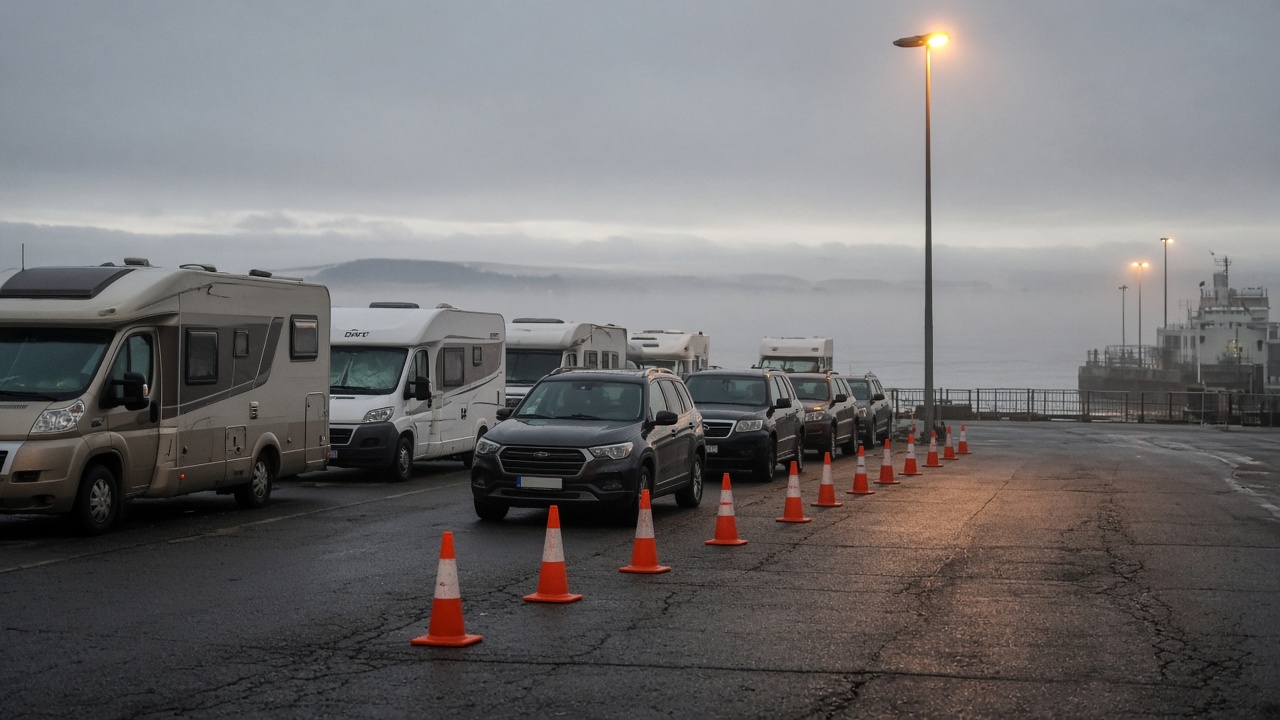
Jeju ferry operators added numbered standby vehicle lanes at the international passenger terminal for post-Chuseok motorhome and caravan returns, telling drivers who missed phone-only caravan reservations to queue for cancelled truck slots after the October long weekend. Passenger tickets may stay booked online, but modified campers and caravans still require operator approval—a split that stranded dozens of mainland tours last autumn.
How standby queues work
Hanil Express and Seaworld High Speed Ferry staff issue windshield slips at the 6th-berth vehicle marshaling yard starting three hours before departure, ranking motorhomes behind scheduled freight but ahead of walk-on cars when ramp weight allows. Drivers must carry registration, prior booking SMS, and for foreign renters passports plus international driving permits as travel agencies document for Wando routes.
Vehicle loading still closes thirty to sixty minutes before sailings on express services; standby does not override safety cutoffs when ramps are full.
Why motorhomes clog return week
Chuseok campers often stay through the holiday and attempt same-week returns when every lane fills with mainland SUVs. Seaworld’s booking pages warn that caravans and specially modified camping vehicles need consultation—not the standard light-vehicle web form—while Goheung-Nokdong routes remain phone-only for vehicle decks even when passengers buy online.
Return-week traffic mirrors national highway forecasts: Jeju-bound lanes invert as island rentals rush Mokpo and Wando ferries with empty tanks and full grey-water tanks operators inspect before boarding.
Port authority staff added portable toilets and shade tents in the standby lane after social-media posts showed families waiting four hours last October with infants in idling vans.
Costs and paperwork
Typical one-way light-vehicle deck fees run roughly 120,000 won plus passenger fares; oversized motorhomes pay higher length tiers and may need empty fresh-water tanks verified at the gate. Terminal check-in guides tell drivers to arrive ninety minutes early on peak Sundays, matching foreign renter advisories for Kia Ray conversions booked as light vehicles only after operator confirmation.
Standby participants pay only if they board; slips expire when sailings sail without them, pushing some crews to overnight in Jeju City lotteries the port authority expanded this season.
Island campground hosts send departure-time spreadsheets to ferry coordinators so standby clerks know which motorhomes must make Monday mainland shifts versus leisure departures.
Island supply chain
LPG refill stations east of Jeju City report Sunday evening queues when standby campers miss sailings and circle back for fuel; operators ask drivers to tank before entering marshaling yards to reduce fire-risk idling.
Rental companies now text caravan renters ferry standby rules in English and Chinese because international guests book light-vehicle slots that fail gate measurement checks.
What happens next
Operators will publish daily standby fill rates through October and may add a second morning sailing from Wando if cancellation rates stay below ten percent. For mainland motorhome renters, the operational story is phone approvals, numbered windshield slips, and a return-week queue that treats caravans as freight with passengers attached—not as a standard online checkbox.
Coastal weather radios broadcast standby counts on hour marks during alert days so drivers do not queue during typhoon closures when ramps stay empty anyway.