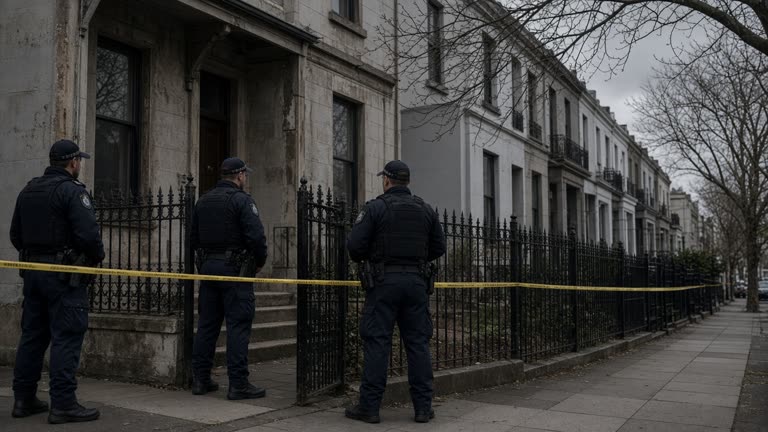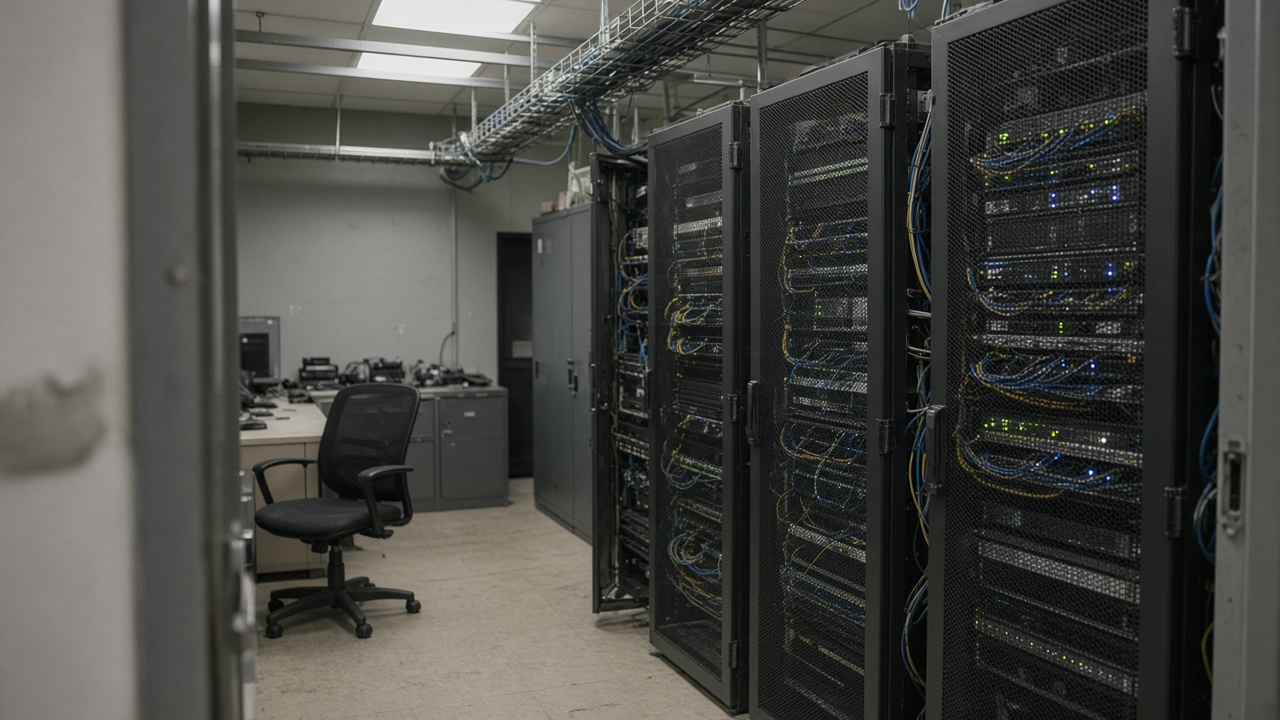
Okta Inc. released an emergency patch for a session-replay flaw in its browser-based authentication flows after Chicago municipal IT reported unauthorized SSO sessions touching human-resources and procurement applications—a confirmed vendor fix Sam Rivera’s beat logs while city incident teams still inventory which legacy SAML apps sat outside Okta Identity Engine protections.
What asset was touched
Attackers replayed captured session tokens against Okta-hosted login endpoints tied to Chicago’s workforce SSO portal, gaining application access without fresh MFA on vulnerable session binding configurations. City officials said no payroll disbursement systems confirmed fraudulent transactions; procurement workflow logs showed anomalous read access on three vendor record folders Monday night.
Assets are employee HR records and supplier bid metadata—not voter rolls or water-scada OT networks city press offices emphasized when briefing reporters seeking election angles Rivera avoids without evidence.
Confirmed versus claimed
Okta’s trust site confirmed CVE-tracked session replay behavior affecting certain SDK and custom domain pairings; Chicago confirmed incident response activation and forced global session reset Tuesday morning. Threat actor attribution stays unclaimed—no FBI named group by Wednesday noon.
Vendor marketing did not call the fix “zero-day proof”; engineering posts described token binding gaps exploitable when reverse proxies cache auth headers—a mechanism CISA may amplify in coming advisories.
Who must patch, rotate, or disclose
Municipal Okta admins must apply the patch, rotate client secrets, and invalidate refresh tokens citywide—Chicago said that completed for core HR and finance apps by Tuesday 6 p.m. Central. Sub-agencies running federated SAML to third-party SaaS must verify each integration’s session persistence flags; legacy apps not on Identity Engine remain Rivera’s exposure worry.
Vendor SaaS providers with Chicago tenants must disclose subprocessor impact in customer portals; insurance carriers for cyber policies may trigger notice clauses when municipal SSO resets affect bid timelines.
Legal or insurance tail
Illinois breach notification law turns on personal data access proof; city counsel said HR files with Social Security fragments may trigger individual notices if forensics confirm download, not merely screen scrape. Procurement bid data may invoke contractual confidentiality duties to suppliers—not consumer breach mail, but litigation tail if bids leaked.
Okta’s contract liability caps follow enterprise agreement fine print; municipalities rarely sue vendors publicly mid-incident, but RFP renewal teams will cite response time in scoring.
What readers still cannot know
Full dwell time before detection, whether attackers exfiltrated files or browsed in place, and whether the same flaw hit other cities—Chicago is the confirmed municipal reporter; Okta’s customer count means silent patches elsewhere possible until peers disclose.
Rivera will not pin nation-state labels without agency confirmation; session replay bugs often appear in criminal access broker playbooks first.
Operational next steps
Chicago DOIT scheduled SAML app audits through October; agencies must document MFA enforcement on admin consoles separate from workforce login. Okta recommends token binding review for reverse-proxy configs—a technical chore that determines whether patch alone suffices.
Federal grant-funded cyber programs may reimburse overtime; UN-week Washington travel does not change Chicago patch queues—local IT still owns rotation.
Broader SSO read
Municipal SSO concentrates risk: one vendor flaw touches HR, finance, and police training portals alike. Rivera's beat records what was touched, what Okta confirmed fixed, and what insurers plus lawyers must still measure—late attribution beats wrong attribution when election rumors swirl without evidence.
Peer municipalities
Other Midwest cities on Okta stacks told InfoHandle they applied the same patch preemptively without reporting incidents—common post-CVE hygiene that does not shrink Chicago’s confirmed exposure window but shows how SSO monoculture spreads fix urgency faster than attribution clarity arrives.
Detection timeline
City officials said procurement anomaly alerts fired before HR teams noticed duplicate sessions—a sequencing detail that matters for forensics contracts and after-action reports council oversight committees will request. Okta’s patch closes the replay path; it does not answer how long tokens remained valid before monitoring rules caught reuse.
Rivera notes patch Tuesday beats patch Friday for municipal payroll weeks, but insurance underwriters still ask for dwell-time estimates before renewing cyber riders priced on 2025 loss history.