The Cybersecurity and Infrastructure Security Agency issued an emergency directive September 24 requiring federal agencies and covered airport operators to apply a Collins Aerospace aviation software integrity patch within forty-eight hours after confirmed intrusion activity on US maintenance networks—a binding fix Sam Rivera logs while FAA’s prior vendor alert and overseas law-enforcement reporting stay in separate channels without US suspect naming.
What asset was touched
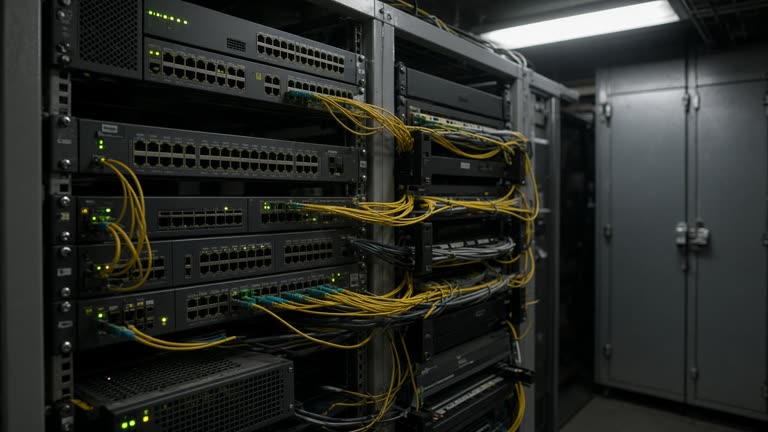
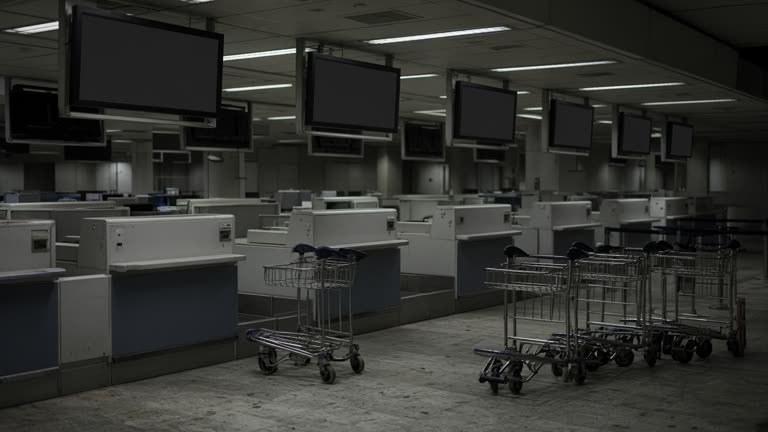
Attackers exploited a signed-update verification gap in maintenance tooling deployed at multiple US airports, gaining read access to configuration databases for gate and baggage subsystems—not flight control surfaces on aircraft in service. CISA confirmed two airport authorities reported lateral movement from vendor maintenance laptops to shared operations VLANs before detection tools flagged anomalous hashes.
Assets are airport OT-adjacent servers and maintenance laptops—not TSA checkpoint passenger databases Rivera would conflate without evidence.
Confirmed versus claimed
CISA’s directive lists CVE-tracked behavior and names the Collins patch build agencies must install; RTX confirmed package availability on its customer portal. Threat actor attribution remains unclaimed in US government releases—no FBI named group by Thursday morning.
Vendor marketing avoided “supply chain apocalypse” phrasing; engineering notes described improper certificate pinning on a legacy update channel—a mechanism NIST NVD entries will flesh out as analysts parse.
Who must patch, rotate, or disclose
Covered airport operators, airline engineering departments, and federal tenants on airport infrastructure must apply the patch, rotate code-signing trust stores, and revoke stale maintenance credentials within forty-eight hours—CISA’s emergency timeline, not the FAA’s longer reporting window. Collins customers must download packages via authenticated portals; air-gapped maintenance laptops need USB walk-throughs Rivera hears slow teams struggle to finish before weekend banks.
Cyber insurers may trigger notice clauses when emergency directives hit aviation—policyholders should document patch timestamps for claims adjusters.
Legal or insurance tail
Federal directive compliance can affect grant renewals for airport cyber programs; state public-records laws may force disclosure if maintenance outages delay flights. Contract liability between airlines and Collins follows enterprise agreements—public suits rarely land day one, but RFP teams will score response time.
UK arrest reporting elsewhere does not satisfy US breach notice duties; Rivera sticks to CISA and FAA US artifacts.
What readers still cannot know
Full dwell time, data exfiltration proof, and whether identical flaws hit non-US airports stay unknown—CISA confirmed US intrusions; silent patches elsewhere possible until peers disclose. Nation-state labels stay off the record without agency confirmation.
Patch success rates across hundreds of maintenance laptops will not publish until after the forty-eight-hour window—operators may miss weekend staffing.
Operational next steps
Airport SOCs must verify hash matches on every maintenance seat; airlines schedule gate downtime in low-traffic windows. CISA promised follow-on advisories for compensating controls if patches cannot land on legacy OS laptops still running in regional airports.
FAA coordination continues in parallel—alert plus directive stack obligations Rivera tells readers not to confuse: one inventories, one mandates emergency fix.
Broader aviation cyber read
Maintenance software is the soft seam: it touches gates and bags, not avionics, but still stops terminals when isolated. Rivera records what CISA confirmed, what Collins shipped, and what insurers plus lawyers measure next—late attribution beats wrong attribution when overseas arrest headlines lack US docket names.
Peer operators
Regional airports told InfoHandle they staged patch USBs Thursday morning without reporting active incidents—hygiene driven by directive urgency, not local breach confirmation. That does not shrink confirmed US exposure windows CISA cited but shows how aviation cyber monoculture spreads fix deadlines faster than attribution clarity arrives.
Detection timeline
One confirmed airport said anomaly detection fired on bad hashes before operators noticed slow gate restarts—a sequencing detail oversight committees will request in after-action memos. CISA’s patch closes the verification gap; it does not answer how long stale certificates lingered before monitoring caught reuse.
Rivera notes forty-eight-hour mandates beat next-week patches for Friday travel peaks, but underwriters still ask dwell-time estimates before renewing aviation cyber riders priced on prior loss years.