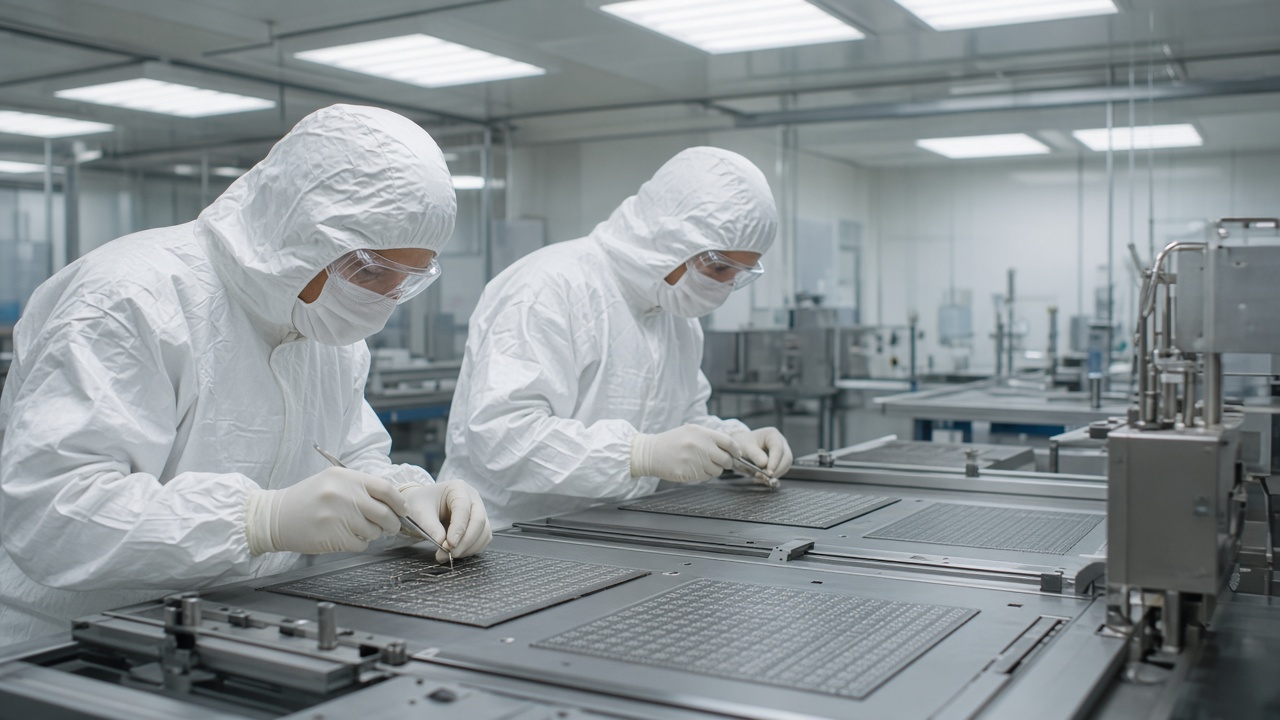
Japan’s semiconductor packaging rush will stall at the laminate press unless policymakers admit what plant managers already whisper: the bottleneck is skilled migrants and mid-career technicians, not another ribbon-cutting subsidy.
Subsidies bought buildings, not shifts
Chips Act-style grants lured substrate and advanced packaging investments to Kumamoto adjacencies and former appliance corridors in Fukushima. Concrete is pouring. Yet JEITA workforce surveys show packaging lines need operators who can read interferometry charts and negotiate yield loss with materials scientists—skills that take years, not six-week bootcamps.
Domestic vocational pipelines expanded, but cohorts are small relative to the fabs announced before 2028. Companies are poaching from display and auto-parts plants, which only relocates shortages.
Immigration rules misread the job
Specified Skilled Worker categories still map packaging techs to generic manufacturing buckets with language bars better suited to food service than clean-room SOPs. Engineers on intra-company transfers face housing and certificate translation friction that Intel and TSMC partners solved in Taiwan and Malaysia years ago.
Treating packaging as “lower tier” silicon work ignores that co-packaged optics and HBM stacking are where Japan hopes to differentiate. Those lines fail loudly when a single misaligned die ruins a lot worth more than a year’s tuition.
What would actually help
Create a packaging-specific SSW track with competency exams in Japanese and English, paired with employer housing audits the cabinet is finally funding. Allow dual-language SOP tablets on lines without penalizing plants for “insufficient Japanese” when safety icons are ISO-standard.
Subsidies should include per-seat bonuses for accredited apprenticeship visas, not just capex. Banks underwriting fabs should disclose workforce plans the way they disclose water and power contracts.
The risk of pretending otherwise
If Tokyo keeps advertising packaging self-sufficiency while capping foreign technicians, expect delayed ramp timelines blamed on “equipment”—a euphemism for empty night shifts. Competitors in Singapore and Malaysia will ship while Japan debates rhetoric about orderly coexistence.
What plant managers are doing quietly
Several Kyushu fabs are hiring Malaysian and Filipino technicians through third-country dispatch firms—not because it is ideal governance, but because direct SSW sponsorship timelines miss ramp dates. Union locals in Nagasaki prefecture said they will accept foreign shift leads only if Japanese apprentices are paired for knowledge transfer, a compromise that still leaves housing and language support underfunded.
Equipment vendors report that tool installation delays now stem from missing certified operators to sign off thermal compression profiles, not from shipping containers stuck in ports.
Policy levers beyond visas
Tax credits for night-shift language tutors and on-site childcare would cost less than another fab subsidy line. METI’s packaging council should publish anonymized turnover data so investors see workforce risk alongside wafer starts.
Politicians who tout packaging sovereignty should be asked how many foreign technicians received visas last quarter—not how many billions were committed to concrete. Until that number rises, Japan is building fabs that will idle on the night shift while competitors ship packaged silicon from staffed lines.
Subsidies were necessary. They are not sufficient. Japan needs migrants who can keep advanced packaging lines alive, not just migrants who fill hotel laundry slots.