India’s selection committee named a trimmed Test touring squad Friday with written pace-bowler rotation rules after Asia Cup workload sheets showed three quicks exceeding cumulative spell thresholds in Dubai heat, according to the squad release on BCCI.tv and briefings the national cricket academy medical unit gave selectors.
Who is in—and rested
The squad keeps two senior quicks who bowled the most Asia Cup overs but slots a third seamer on standby with instructions not to throw consecutive Test matchdays if travel turns around within 72 hours. A younger quick who impressed in A tours replaces an injured backup. Spin stocks stay unchanged; the rotation memo applies only to pace because Dubai September humidity spiked biomechanical load scores the NCA tracks with ICC-aligned wearables.
How rotation will work
Captains and coaches received a chart capping any quick at 18 overs per innings unless match situation overrides—documented in post-match reports selectors will read before the next pick. The BCCI did not publish the chart publicly; players were told violations risk automatic rest for the following Test even if fit. Franchise IPL contracts are unaffected; this policy covers India duty only.
Asia Cup link
Asian Cricket Council medical observers shared aggregated spell counts after the tournament’s back-to-back night games. Two Indian quicks crossed internal yellow lines the NCA set at 360 deliveries in 21 days; one crossed orange. None are injured, but physiotherapists recommended staggered Test debuts to avoid stress reactions seen after the 2023 World Cup schedule crunch.
Selection politics
Skipping a proven quick for rotation always draws headlines; the committee’s statement emphasised long-format goals over T20 availability. Batters omitted for form reasons were not part of this release; the headline change is pace depth ordering. County and Sheffield Shield commitments abroad did not clash with this tour window.
What fans should expect on the field
First Test may open with only two specialist quicks if the pitch is slow; the third seamer travels as insurance. Rotation does not mean splitting spells within an innings by quota—captains retain tactical control until overs caps bite. If monsoon injuries hit the standby, selectors can fly in a net-bowling reserve without announcing a full squad reshuffle.
Evidence base
ICC research on fast-bowling workloads informed the NCA thresholds, though BCCI customised for subcontinental heat. Data remain private; analysts outside the board will judge the policy by whether quicks break down mid-series. Franchise coaches privately worry rotated India stars may arrive late for IPL pre-season camps; BCCI logistics promised charter adjustments if rest days overlap.
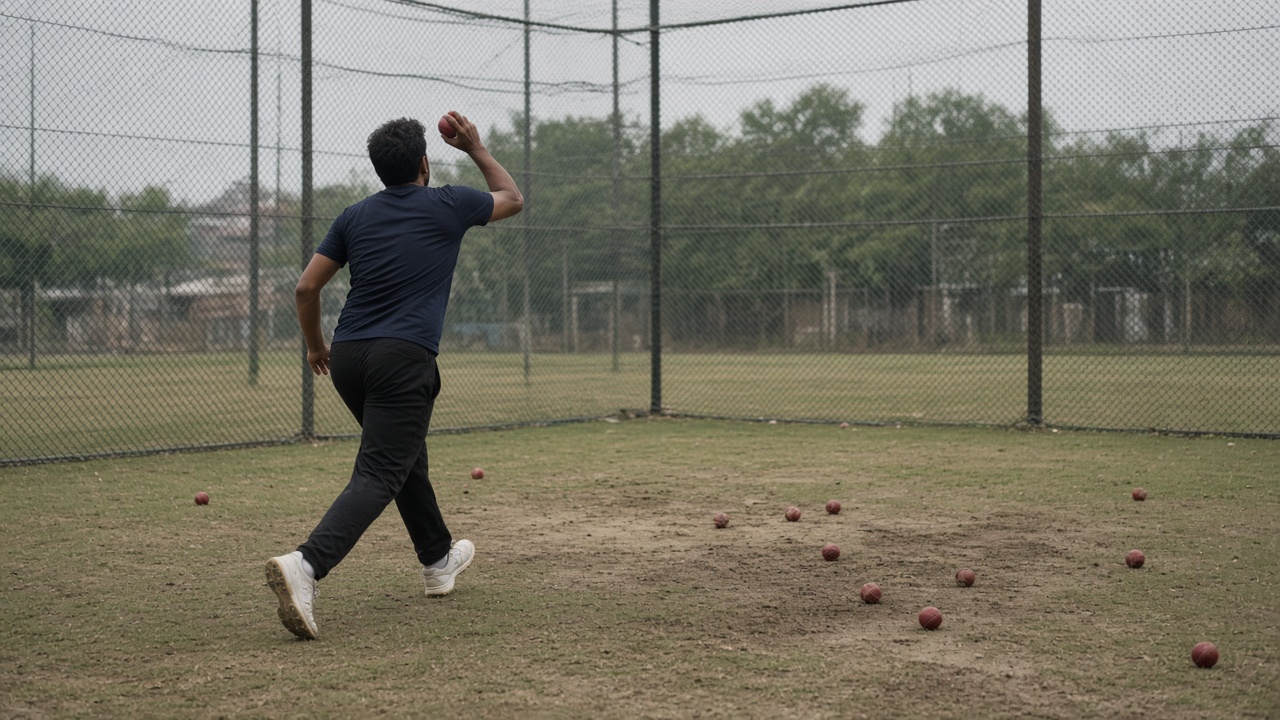
The squad announcement is less about new talent debuts than about codifying rest the medical team wanted during Asia Cup—now binding on selectors and captains for the upcoming Test tour. Net bowlers travelling with the group will mirror matchday workloads in practice so standby quicks stay match-sharp without crossing the same cumulative thresholds in nets.