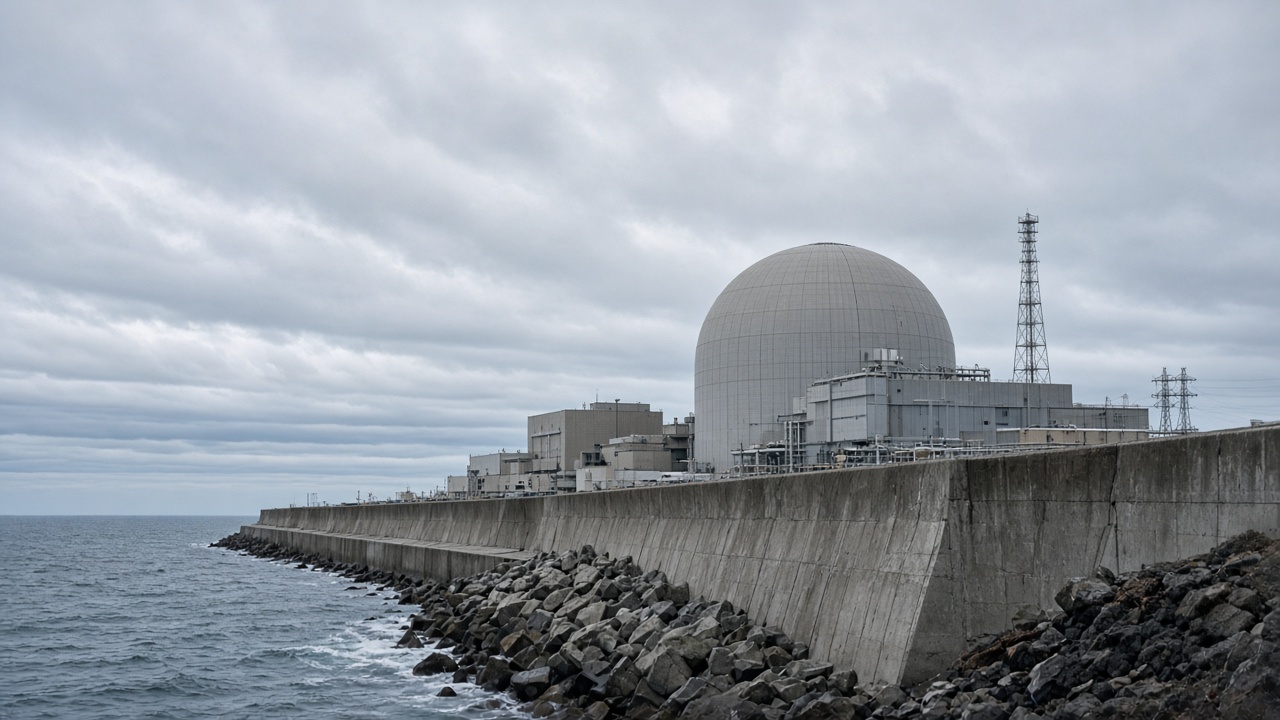
Hokkaido Electric Power told investors it could improve annual finances by about 60 billion yen if the Tomari nuclear plant’s No. 3 reactor resumes operations in 2027, The Asahi Shimbun reported after Governor Naomichi Suzuki said nuclear power remains a realistic option for the prefecture. The governor’s Friday assembly remarks followed safety clearance from the Nuclear Regulation Authority and consent from four hosting municipalities.
Local consent chain
Tomari village and three neighboring towns had already endorsed the restart; Iwanai added its approval Friday, according to Japan Times coverage. Suzuki plans a formal cabinet notification in early December after visiting the plant and weighing assembly debate. Hokkaido hosts Japan’s highest residential electricity bills, averaging 9,335 yen monthly per household in utility filings cited by Asahi—pain Rapidus’s Chitose semiconductor fab cannot absorb if power costs stay elevated.
The 912,000-kilowatt reactor shut after the 2011 Fukushima disaster and cleared post-Fukushima safety rules in July when the NRA adopted a compliance report. A seawall and other hardware upgrades remain on Hokkaido Electric’s pre-restart checklist, especially after this week’s strong earthquake that shook Aomori and upper Hokkaido intensities.
Rate impact
Hokkaido Electric said households could save about 1,000 yen monthly once Tomari contributes baseload, offsetting costly thermal fuel imports that ballooned with LNG spikes. Industrial users courting Rapidus suppliers view stable rates as essential to keep northern Japan competitive with Honshu fabs receiving cheaper grid power.
Legal risk
Sapporo High Court continues hearing an injunction bid from opponents; a negative ruling could delay restart even with political consent. Governor Suzuki told reporters politicians must decide amid pros and cons, acknowledging litigation risk without promising a timeline slip.
Grid planning
Power demand models already include Rapidus phase-one loads in Chitose; without Tomari, Hokkaido Electric would rely on coal and gas longer, conflicting with prefectural decarbonization pledges. Wind and geothermal additions help but cannot replace 912 megawatts overnight.
Investor lens
Hokkaido Electric shares trade as a regional utility with leveraged sensitivity to fuel cost pass-through rules. Confirmation of restart capex schedules could unlock credit-rating stability if agencies believe thermal exposure will shrink by 2028. Bondholders watch whether decommissioning provisions already funded cover remaining retrofit work without fresh equity.
Transmission and winter storms
Recent seismic activity along the Sea of Japan coast renewed debate over whether tsunami barriers meet revised licensing assumptions. Hokkaido Electric executives told local media that the seawall program is budgeted inside pre-restart capex and will not trigger emergency surcharges if timelines slip by one construction season.
Industrial users negotiating multiyear contracts ahead of Rapidus equipment installation want tariff clauses that credit nuclear contribution explicitly; without those clauses, hedging teams continue to buy LNG-linked forwards that undermine the governor’s household savings narrative.