Isuzu Motors Ltd. outpaced transport-equipment peers in early Tokyo trade as desks linked its Toyota joint fuel-cell light truck program to last-mile parcel hubs—a use case Isuzu highlighted for supermarket and convenience deliveries even as a separate ELF EV battery-swap trial serves FamilyMart routes in Yokohama.
Who led and by how much
The stock opened roughly two per cent above Thursday’s close while the Nikkei was flat, with volume skewed to domestic logistics funds according to TSE block trackers. Call open interest into October was modest—a sign the move tracked narrative linkage to e-commerce capex rather than a single index rebalance.
Brokers cited April announcements that Isuzu and Toyota aim for mass production in fiscal 2027 on an ELF EV-derived fuel-cell truck using Toyota’s third-generation FC stack, sized for high-utilisation commercial duty cycles rather than passenger car ranges.
The mechanism
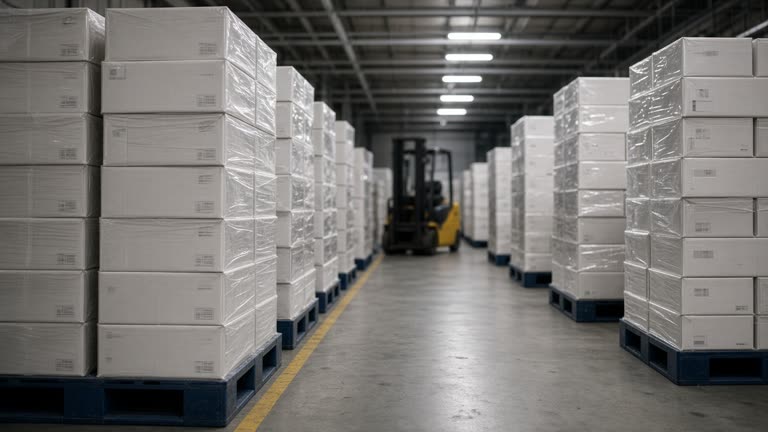
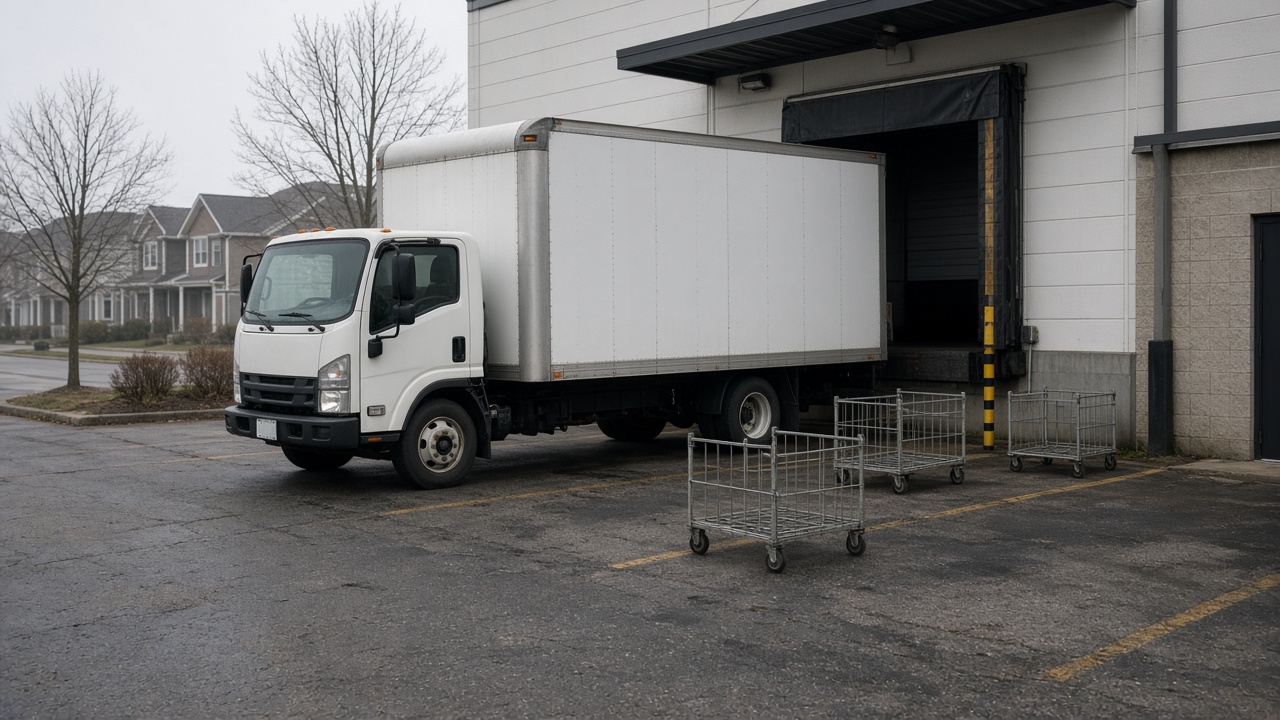
Parcel hubs run repeated short loops with idle time at depots—patterns hydrogen advocates argue suit refuelling bursts if station density exists near suburban sort centres. Isuzu’s release emphasised refrigerated and convenience-store deliveries, precisely the cube-van profile last-mile integrators operate between cross-docks and franchise stores.
ITOCHU’s September 2025 release with FamilyMart and Yokohama city instead pilots battery-swappable ELF EVs on fixed convenience routes—three trucks serving about eighty stores—highlighting Isuzu’s multi-pathway strategy: swap BEV where stations fit, FC where hydrogen corridors emerge. Equity buyers Friday treated the pathways as complementary options for hub operators choosing depot infrastructure.
What the street already had
Consensus already baked FY2027 commercial launch timing; the incremental angle is parcel-hub RFP language from integrators asking OEMs to certify FC box bodies on ELF chassis with liftgates under 3.5-tonne classes. Short interest was limited; the trade is thematic until purchase orders surface.
Nikkei Asia noted Isuzu prioritised light FC trucks over delayed heavy FC programs with Honda where hydrogen station scarcity hurt range planning—an explicit choice that favours urban fringe hubs over intercity trunk lines.
What would falsify it by Friday
A guidance cut on commercial EV or FC investment would unwind the linkage instantly; none appeared by midday. Delayed Toyota stack validation or hydrogen station permits in Kanto industrial zones could still temper hub orders even without Isuzu-specific news.
Competition from battery-swapping networks—already demonstrated with FamilyMart—could win hub tenders if fuel-cell station capex stays with carriers; Isuzu must prove total cost per kilometre, not just tank minutes.
Macro cross-currents
Yen softness helps exported trucks but domestic parcel growth drives the story; METI hydrogen corridor subsidies and municipal climate bonds influence depot refueller installs more than FX. Labour rules on driver hours push integrators toward predictable refuel windows hydrogen can serve if stations sit at hubs they already lease.
Regional banks financing hub real estate said hydrogen refueller capex remains a sticking point in credit committees unless integrators sign take-or-pay fuel contracts—an obstacle Isuzu lobbyists raised with Kanagawa prefecture officials in August briefings not yet public.
Customs and cross-border e-commerce volumes add stop-start duty cycles; FC systems tuned for high utilisation match parcel peaks better than long-haul idle patterns Isuzu targets with Honda on heavy GIGA fuel-cell prototypes shown at Japan Mobility Show.
Friday risk
If US auto peers disappoint on commercial EV margins after Tokyo close, Isuzu could give back gains without company news. Domestically, any disclosed pilot MOU with a parcel integrator at a Kanto hub would matter more than hydrogen spot prices.
For now, the story is ELF-based FC box trucks aimed at depot-to-door loops—a reasonable setup for Nina Okonkwo’s desk until hub operators publish tender winners: technology validated on paper, FamilyMart BEV swap proving last-mile demand, hydrogen variant waiting on 2027 production and station maps rather than Friday’s tape alone.
Order book versus spot
Leasing companies tracking Isuzu ELF orders said September inquiries rose for refrigerated bodies even on diesel chassis—a cross-read that parcel demand is real independent of powertrain. FC variants will need lease-rate tables before integrators sign; until then, hydrogen headlines move the stock more than fleet contracts on the ground.
Regional banks that finance hub real estate said they will underwrite hydrogen dispensers only when carriers sign five-year fuel purchase clauses—another gate that keeps Friday’s equity pop narrative ahead of signed infrastructure.