ReCellar, a Pittsburgh hydrometallurgy startup recycling lithium-ion cathodes, closed a $62 million Series B that insiders described as priced off Internal Revenue Service guidance for advanced manufacturing production credits rather than the billion-dollar headlines some battery recyclers floated last year. The round was led by a Midwest industrial holding company with existing steel and chemicals exposure, with participation from a Japanese trading house seeking U.S. feedstock and from local family offices that backed the founders’ earlier Department of Energy grants.
What the round actually was
Securities filings summarize the raise as all equity, no convertible notes, with one board seat going to the lead investor and observer rights for the trading house. Founders said roughly 18 percent dilution on a fully diluted basis—steeper than their seed narrative suggested but aligned with 2026 recycling margins after nickel and cobalt spot softness. The company did not publish a post-money valuation; Pittsburgh venture lawyers said omitting the number avoided anchoring downstream negotiations with automakers who treat recyclers as tolling partners, not consumer brands.
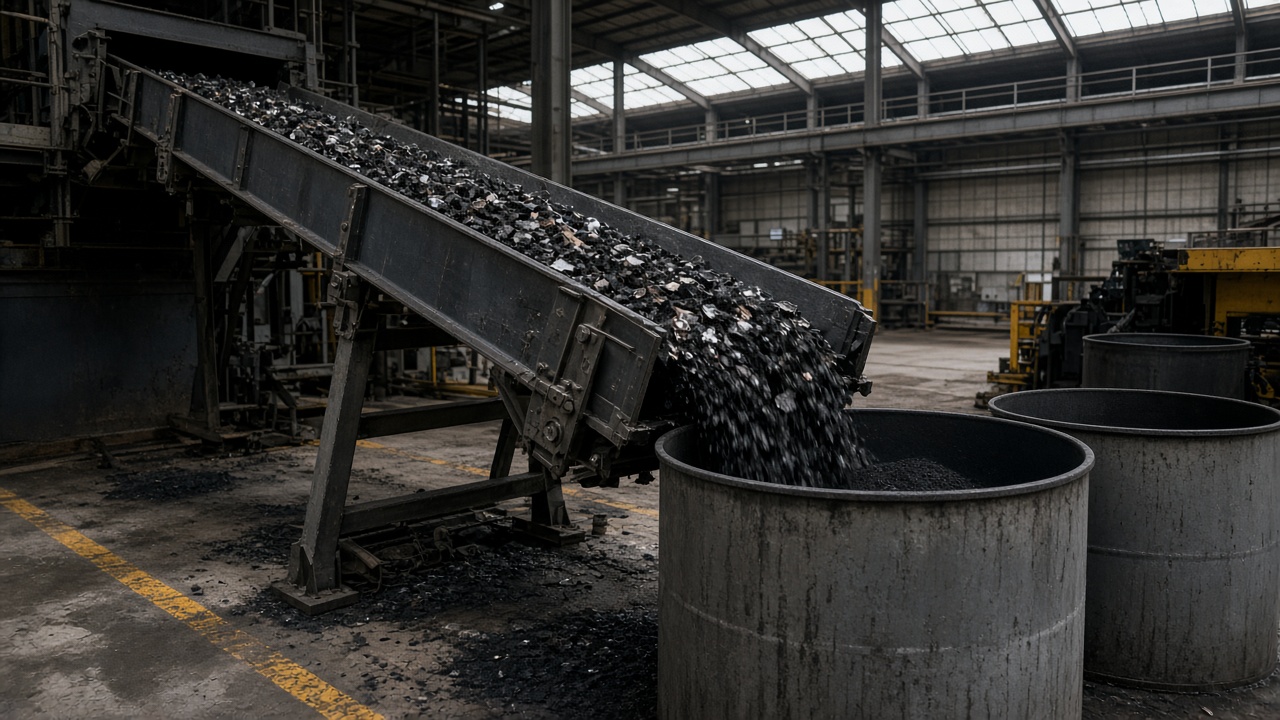
Proceeds earmark a second leach line on the Monongahela riverfront plant, warehouse space for black mass awaiting assay, and working capital for IRA credit registration paperwork that can take quarters. Notably absent from the use-of-funds slide: a West Coast satellite site the CEO pitched on podcasts in 2025.
IRA cathode credits as collateral logic
Treasury and IRS rules finalized this year clarify how recycled cathode active material can qualify for Section 45X production credits when traceability and eligible feedstock tests pass. ReCellar’s Series B deck, shown to InfoHandle by an investor, models credits as a floor on unit economics—not a windfall—assuming 60 percent yield from NMC-rich automotive scrap. Tax counsel stressed that credits flow to the entity that performs qualifying production; ReCellar structured subsidiaries so credit registration lands on the Pennsylvania line investors toured during diligence.
Automaker offtake MOUs remain contingent on passport-grade documentation; the B round closed only after two Detroit suppliers signed nonbinding price bands tied to LME nickel discounts. If credit rules tighten on foreign black mass, ReCellar’s model assumes domestic collection contracts with Northeast dismantlers.
Who got diluted
Seed investors from 2023 retained pro-rata through one insider tranche but did not lead; two angel groups from Carnegie Mellon spinout circles were partially cashed out in a small secondary that helped founders reset the cap table before industrial governance arrived. Employees hold options repriced once after the IRS guidance drop; engineers said the repricing was necessary to keep hydrometallurgists from decamping to larger cathode players building greenfield plants in the South.
Founders keep majority board control combined with a founder-friendly voting agreement that sunsets when the second line ships metal to spec—a milestone lenders care about more than press releases.
Business in one sentence
ReCellar dissolves shredded EV packs into sulfate precursors automakers can swap into cathode lines without mining new nickel—if chemistry and credits cooperate.
Plant and workforce reality
The riverfront site occupies a former steel service center with crane hooks still rated for coil loads; retrofitting acid-resistant floors blew past early budgets, a fact the B round’s contingency bucket acknowledges. Union ironworkers from past Pittsburgh builds consult on maintenance; production shifts run 24/5 with environmental monitoring tied to Allegheny County rules stricter than some Sun Belt competitors face.
ReCellar hosts tours for NREL’s ReCell Center researchers validating leach kinetics; those visits helped convince the Japanese trading house that U.S. recycled sulfate could backstop Asian cathode lines if export licenses hold.
If the next round does not exist
Investors set a break-even scenario at 12,000 tons processed annually on one line—below nameplate but enough to cover debt service on equipment leases if credits arrive on schedule. Without a Series C, founders could license process know-how to steel-industry partners already on-site, turning ReCellar into a technology vendor instead of a pure play recycler. The CEO told staff Friday that path is plan C, not plan A.
Commodity downside remains the killer: if LME nickel stays depressed and automakers renegotiate tolling fees, credits alone may not fund a third line. Competitors with integrated mining arms can cross-subsidize; ReCellar cannot.
Local politics and permits
Allegheny Conference leaders touted the round as proof Pittsburgh can keep climate-tech jobs after some software startups decamped. Environmental justice groups asked for fenceline benzene monitors; ReCellar agreed in a community benefits memo tied to county tax abatements.
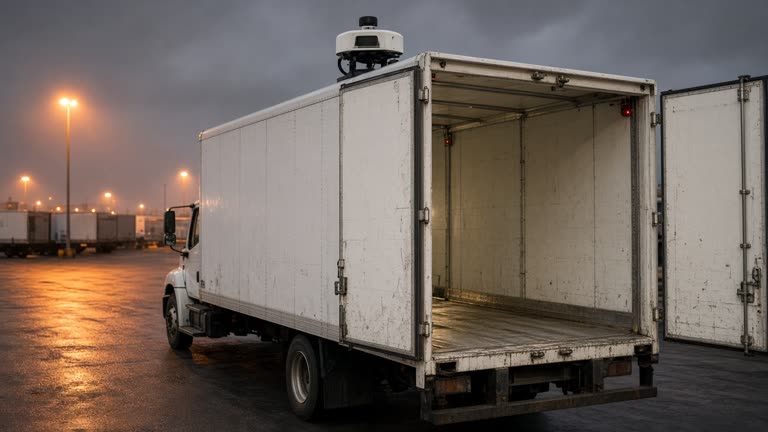
Shipping sulfate to cathode plants may eventually use river barges; Coast Guard permits for hazardous aqueous loads are in draft. Until barges run, trucks roll to Ohio and Michigan tollers—logistics investors scrutinized in diligence.
What investors would not say on record
The lead industrial fund declined comment; people familiar with the talks said governance focus is on off-take compliance, not IPO timing. For a Series B in 2026 recycling, that restraint is the story: money followed tax code clarity and tons shipped, not a deck claiming decacorn potential.