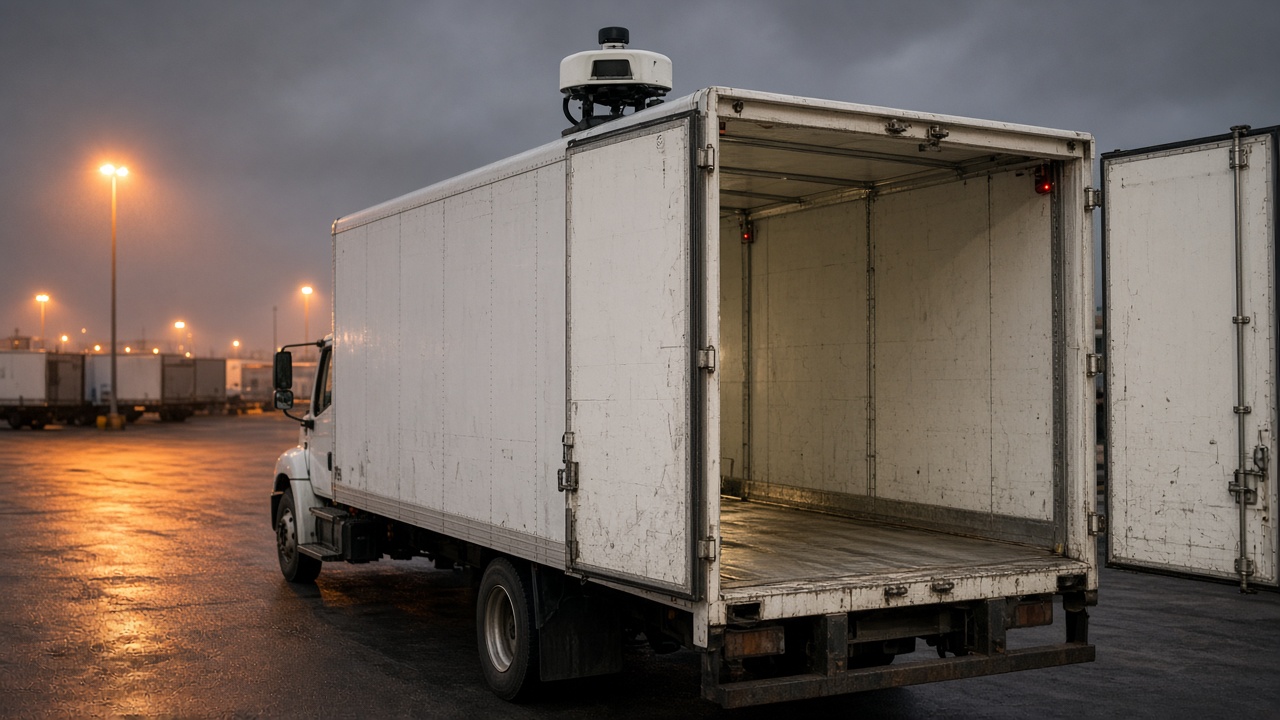
Rivigo Logistics pinned an upgraded refrigerated-truck telemetry stack to its Delhi–Mumbai pharmaceutical lanes this week, giving hub controllers remote temperature overrides and minute-level excursion alerts on insulin and vaccine consignments ahead of a festive-season dispatch surge that historically stresses cold-chain operators across western India.
What changed on the lane
Operations leaders told InfoHandle that forty-two reefer units on the corridor now stream triple-point temperature readings—front, middle, and rear trailer zones—into a central dashboard replacing hourly driver phone checks. GPS geofences trigger automatic printouts for consignees when trucks enter Bhiwandi and Sanand pharma clusters, mimicking good distribution practice paperwork multinational shippers demand.
The rollout builds on Rivigo’s long-standing relay model: drivers swap tractors at hubs while trailers stay sealed, but pharma clients asked for hub engineers to adjust setpoints mid-route when heatwaves spike ambient loads. Previously that required roadside service calls; now authorized staff push changes over cellular modems vetted against CDSCO-aligned excursion thresholds.
Why pharma lanes first
Delhi–Mumbai carries high-value biologics between northern formulation plants and western port air freight, plus domestic replenishment for hospital chains stocking monsoon-related medicines. Rivigo’s pharma desk said client audits in August flagged delayed manual logs during NH-48 congestion near Vadodara; telemetry upgrades were already budgeted before those findings but were accelerated.
Competitors operate similar sensor suites, but Rivigo pitched integrated relay scheduling so trailers spend less idle time with compressors cycling at hubs—a fuel and temperature-stability win on 36-hour transits.
Telemetry architecture
Sensors talk to a cab-mounted gateway over short-range radio, then uplink over LTE with fallback to 2G in rural Madhya Pradesh stretches. Algorithms flag “thermal lag” when rear probes drift before front probes—a pattern Rivigo said predicts airflow blockages from mis-palletized crates. Drivers receive cab alerts but cannot silence excursions without supervisor PINs, reducing disputes over who acknowledged a warm spike.
Maintenance teams added vibration monitors on compressor mounts; predictive alerts scheduled two trailer repairs in Indore last week before failures stranded vaccine boxes. Rivigo would not name sensor vendors, citing competitive contracts, but said calibration certificates are NIST-traceable for client audits.
Regulatory and client pressure
CDSCO’s increasing emphasis on distribution documentation pushes 3PLs to prove continuous monitoring, not spot checks. Multinational pharma firms exporting through Mumbai airport asked Indian carriers for lane risk scores; Rivigo’s dashboard now exports heat-map PDFs ranking segments where traffic delays correlate with temperature creep.
Smaller generic manufacturers without dedicated quality teams rely on Rivigo’s default thresholds for 2–8 degree Celsius loads; custom ranges require signed standard operating procedures uploaded before dispatch.
Limits and blind spots
Cellular dead zones east of Ujjain still create fifteen-minute gaps; Rivigo stores buffered readings on gateways for later upload but clients must accept brief holes or pay for satellite backhaul—not enabled on this lane yet. Door-open events outside approved geofences trigger escalations, yet false positives from security inspections at toll plazas annoyed drivers until firmware tuned accelerometer thresholds.
Insurance underwriters reviewing cargo policies asked whether telemetry data will be admissible in spoilage claims; Rivigo’s legal team said it will share signed PDF logs with consignees, not raw feeds, unless courts order otherwise.
Festive season expectations
Pharma distributors expect double-digit volume growth on antipyretics and chronic medicines before Diwali travel crowds hospitals. Rivigo added night dispatch slots from Manesar hubs to avoid daytime heat loading on trailers parked in sun—an operational tweak telemetry alone cannot solve.
Price-sensitive clients still choose non-telemetry trucks for low-risk oral solids; Rivigo said the upgraded lane is opt-in at a premium per kilometre. Uptake will test whether Indian shippers fund GDP-grade monitoring beyond export lanes.
What shippers should verify
Consignees should confirm probe placement during loading—blocked rear probes caused two false “all clear” summaries in pilot weeks. Calibration due dates now appear on bill of lading QR codes scanned at delivery.
For patients, the story is indirect: fewer temperature excursions mean fewer discarded vials at hospital pharmacies. For Rivigo, telemetry turns a marketing claim about relay efficiency into auditable graphs regulators and auditors can actually read.