T-Mobile US said Thursday it will enable satellite SMS fallback for eligible postpaid smartphones across Louisiana, Mississippi, Alabama, and the Florida Panhandle after a hurricane-season beta that let subscribers send 160-character texts when terrestrial towers drop but sky-facing antennas can reach partner satellites. The feature is not full broadband—voice calls and mobile data still depend on macro recovery or Wi-Fi—but carriers and emergency managers have treated text-as-last-resort as the minimum lifeline when fiber backhaul floods and diesel generators compete for fuel trucks.
What changed after the beta
During the beta, T-Mobile limited enrollment to customers who opted in through its app and acknowledged that messages could take minutes to deliver. Product chief Neville Ray told industry forums that latency improved after firmware updates on several Android flagships and after T-Mobile narrowed the satellite window to phones with modems certified for direct-to-cell partners. iPhone support remains partial: Apple’s emergency satellite texting via Globalstar is a separate path, and T-Mobile’s Gulf rollout focuses on its own satellite partner stack rather than replacing Apple’s SOS lane.
Commercial launch keeps the opt-in gate but removes the seasonal sunset date beta users saw in July. Texts will ride satellite only when the handset reports no usable LTE or 5G attach; a status bar icon indicates satellite mode so users do not assume data works.
How the network fails in storms
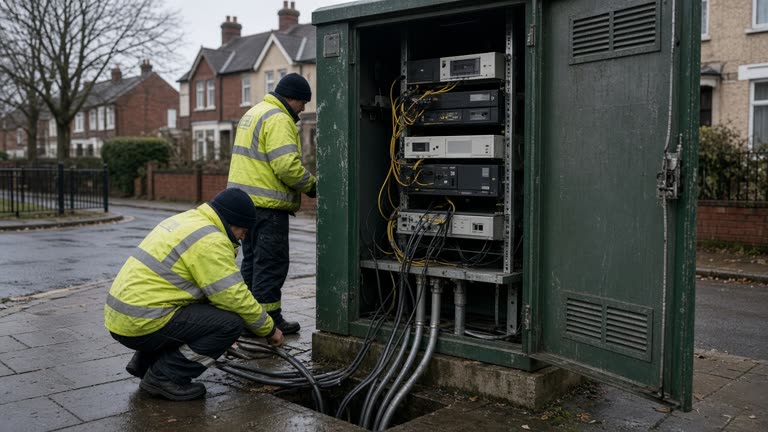
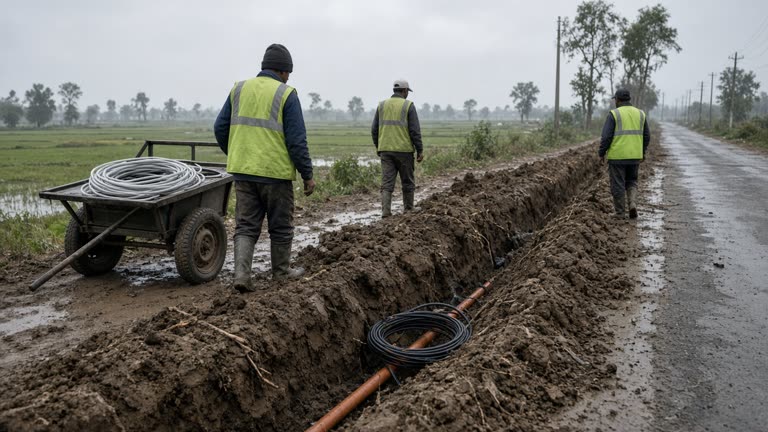
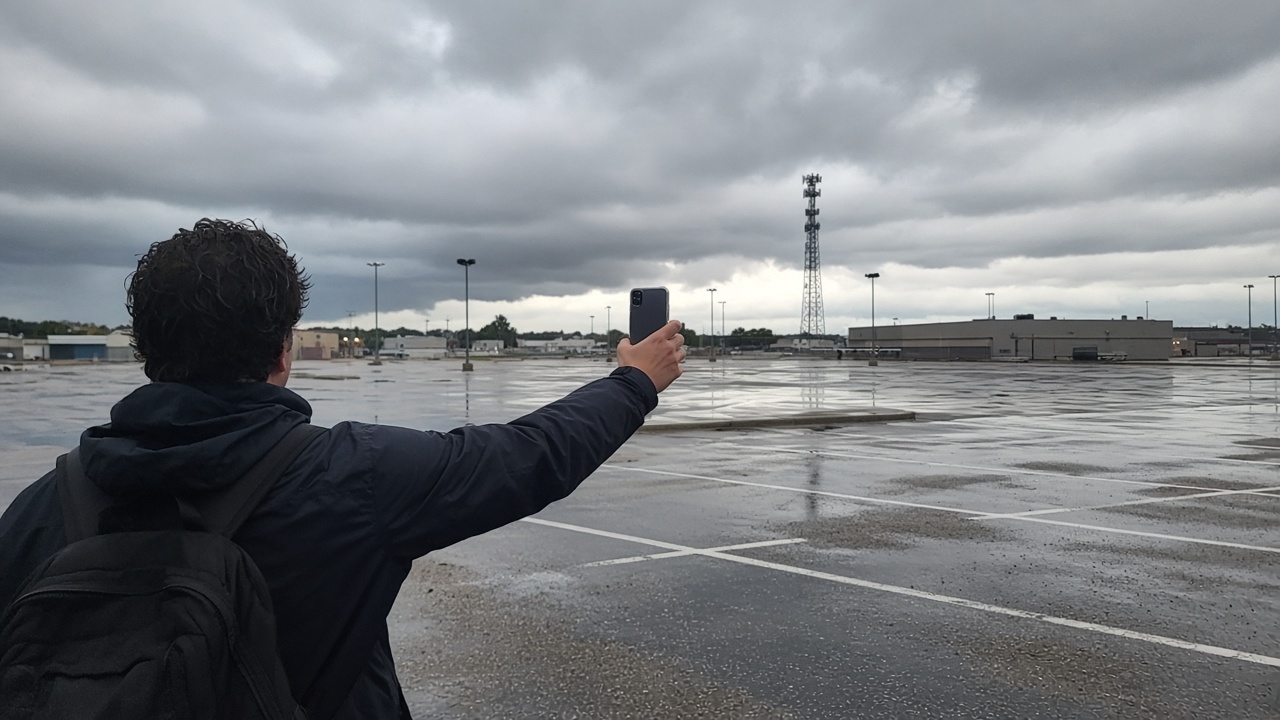
Hurricane-season outages rarely erase every tower at once; more often, power and transport fail in corridors, creating islands of service. FCC outage filings from prior seasons show Mississippi and Louisiana parishes losing backhaul even when antennas still have generators. Satellite SMS is designed for those pockets: a subscriber walks into a parking lot, points the phone skyward, and reaches family or 911 text tiplines where county systems support SMS.
Emergency managers in Mobile County said beta testers helped calibrate expectations—satellite texts are not group chats and do not carry photos. FEMA’s wireless priorities still favor certified responders on dedicated networks; consumer satellite SMS sits beside those programs, not above them.
Partner and spectrum context
T-Mobile has leaned on SpaceX Starlink’s direct-to-cell experiments for marketing symmetry, but operational details blend multiple satellite partners and licensed spectrum anchors that keep phones legal when they transmit upward. SpaceX’s public materials describe beam-formed links from low Earth orbit constellations; T-Mobile has not published per-market satellite counts, citing partner confidentiality.
Rivals AT&T and Verizon have announced their own satellite texting trials with AST SpaceMobile and other vendors, turning hurricane season into a competitive proof point. Analysts note satellite SMS does not solve the economic case for rural coverage year-round; storms are the stress test that justifies capital alliances.
Device and billing limits
Only recent devices with supported radios qualify; T-Mobile’s support page lists Samsung and Google models first, with more OEMs promised as certification finishes. Messages sent via satellite may count against plan SMS buckets where carriers still meter texts; T-Mobile said hurricane-season usage during the beta was modest enough to keep commercial pricing unchanged, but heavy users could see throttling if abuse patterns appear.
Roaming subscribers from other countries are excluded; the feature is tied to domestic postpaid accounts with e911 addresses in the launch states. Enterprise lines must enable the feature per account; IT desks worried about data leakage should note satellite SMS is plaintext like cellular SMS, not end-to-end encrypted chat.
What beta users reported
Coastal firefighters who joined the beta said satellite texts worked when tower sectors showed “no service” after a squall line, but not inside metal-roof stations. Marina operators liked the ability to ping harbor masters when VHF was busy; they disliked one-minute delays that made quick coordination harder. T-Mobile engineers said they trimmed retry timers after those reports.
National Hurricane Center forecasters do not rely on carrier satellite texting for operations, but NHC outreach teams said public education matters: satellite SMS is not a substitute for evacuation orders distributed over broadcast radio and county alert systems.
Regulatory and 911 nuances
Text-to-911 availability remains county-dependent; satellite mode does not bypass PSAPs that have not enabled SMS. T-Mobile’s FAQ tells users to try voice 911 when any cellular service returns. FCC chair staff have asked carriers to log satellite-assisted 911 attempts separately in outage reports so regulators can see if the fallback changes rescue timelines.
Privacy advocates note satellite links may traverse partner ground stations outside a user’s state; T-Mobile’s privacy disclosure adds a paragraph on satellite routing for SMS metadata.
What comes next
T-Mobile plans to extend the footprint into Texas coastal counties after additional satellite capacity tests in October. Voice-over-satellite for consumers remains experimental; Ray said SMS is the beachhead because payloads are tiny. For Gulf subscribers, the practical question is simpler: when the next storm knocks out macros, will a text to mom send from the driveway? After beta, T-Mobile is betting yes—for phones on the list, with sky in view, and patience for slow delivery.