A two-year-old Narita-adjacent cold-chain operator rerouted storm-delayed oncology shipments through inland GDP-certified hubs Monday after Typhoon Dujuan shut the Keiyo coastal corridor to refrigerated trucks serving Makuhari and Tokyo Bay warehouses, according to operations leads who managed the overnight pivot. The company, which markets sensor-linked 2–8°C totes to mid-size drugmakers, treated rail and road curfews like temperature excursions—documenting every handoff for autumn quality audits rather than accepting automatic spoilage write-offs.
What broke in the network
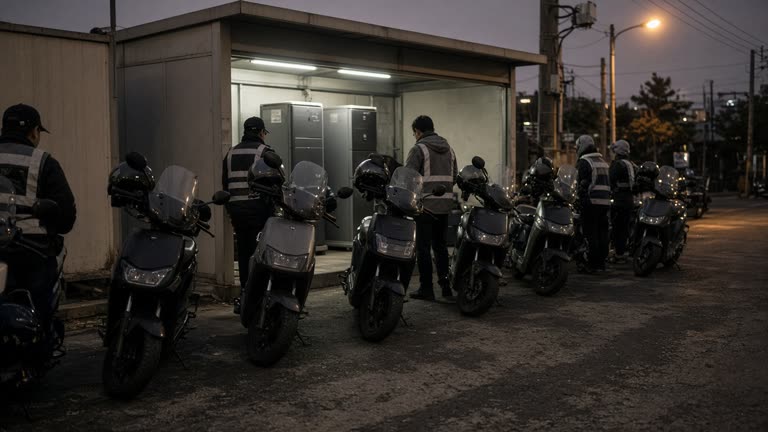
Silver Week already stretched pharma logistics: hospitals stockpiled ahead of the Respect for the Aged Day holiday while clinics scheduled infusions for Tuesday. When Chiba Prefecture raised landslide alerts and JR East slowed Keiyo services, last-mile vans scheduled to pull from Makuhari Messe-adjacent cross-docks could not reach Narita International Airport’s cargo village before airline cutoff times. Oncology lots riding passive coolant packs faced countdown clocks measured in hours, not days.
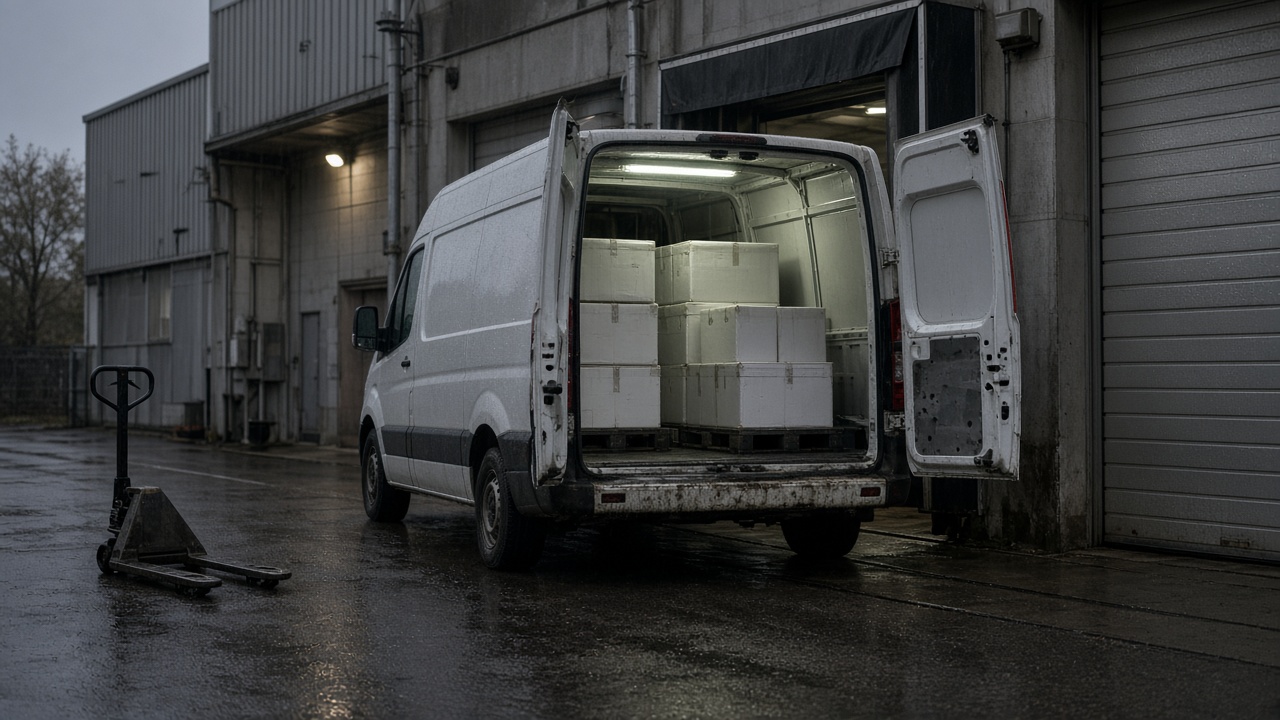
The startup’s dispatch desk shifted three consignments—two checkpoint inhibitor lines and one supportive-care biologic—to a Matsudo-area partner with −80°C and 2–8°C chambers, a facility profile similar to established Chiba operators such as GREEN8, which publicly advertises multi-temperature GDP storage in Matsudo. The pivot added forty kilometers of inland driving but avoided flooded segments of Route 357 reported in prefectural traffic feeds during the typhoon’s approach.
Who owns the risk
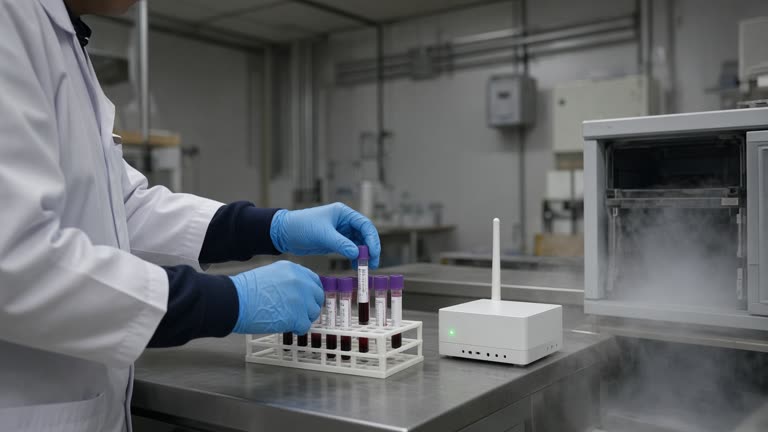
Under Japan’s Good Distribution Practice expectations, summarized by the health ministry’s distribution guidance portal, title and liability stay with the marketing authorization holder until proof of delivery—but carriers must produce temperature logs for each leg. The startup’s model puts loggers in every tote and uploads curves to a cloud dashboard insurers and hospital pharmacists can query. When storms trigger force majeure, the fight is over whether delay exceeded validated hold times; this operator argued that rerouting plus fresh gel packs reset the clock, a claim each sponsor’s quality unit must accept in writing.
Jordan Ellis’s dilution question shows up indirectly: the startup raised a ¥1.2 billion seed in 2025 from logistics angels and a Chiba bank fund, not pharma strategics. One typhoon night does not bankrupt the cap table, but missing a sponsor SLA could kill renewal revenue more surely than a down round.
Telemetry versus trucks
Passive boxes with loggers beat refrigerated trailers when drivers cannot cross wind-gated bridges; the tradeoff is labor at handoff points. Monday’s playbook used pre-qualified Matsudo storage as a buffer—the same pattern ITOCHU Logistics documents for its Higashi-Kanto pharmaceutical center serving eastern Japan, though that incumbent scale dwarfs a seed-stage fleet. The startup’s edge is software-triggered rebooking: when JMA wind thresholds tripped, routes re-optimized before drivers were stranded at Messe parking lots emptied by Tokyo Game Show’s cancel.
Hospital pharmacists cared less about routing elegance than about infusion slots Tuesday morning. Two deliveries made revised flights; one lot rode a Wednesday charter after the sponsor approved extended quarantine at 2–8°C with hourly probes.
Industry spine, not consumer
Patients never see van manifests, but missed doses show up in ward calendars. Typhoon season collides with Japan’s autumn respiratory surge planning; cold-chain fragility is why prefectures maintain pharmaceutical stockpiles independent of startup dashboards. Monday’s reroute was small volume—single-digit pallets—but illustrative of how Chiba’s geography concentrates risk: bay-side warehouses, game-show traffic, and airport cutoffs share the same weather window.
Larger 3PLs run parallel contingency contracts; the startup competes by answering phones at 3 a.m. when giants route calls to national command centers. Silver Week staffing favored the nimble operator until a second storm band would have exhausted gel-pack inventory—a bottleneck the ops lead said they solved by borrowing from a Matsudo neighbor under reciprocal typhoon clauses.
What investors will ask next
Did the reroute fit validated protocols or ad hoc heroics? Sponsors will audit logger files against driver timestamps; pass and the startup wins reference calls ahead of October GDP inspections. Fail and the round story becomes liability, not resilience.
Chiba will keep building bay-side capacity—Tsukuba and Kazo hubs already advertise GDP features—but typhoons reward inland buffers and honest paperwork more than marketing decks. For this startup, the business in one sentence is: sell audited temperature time, not just kilometers, when Pacific storms regularly erase Monday schedules on the Keiyo Line.