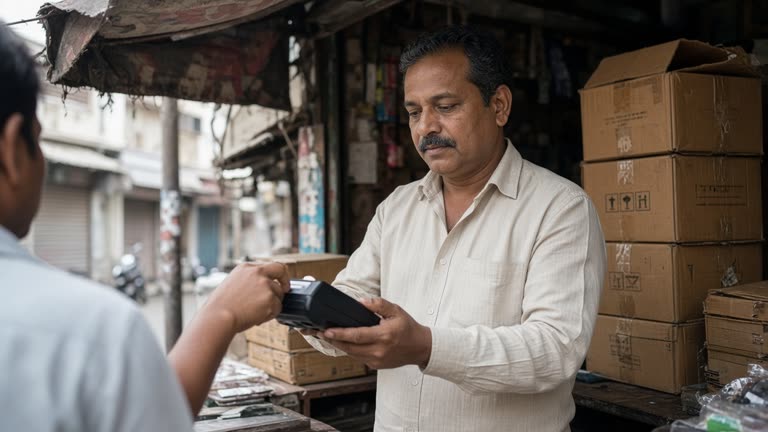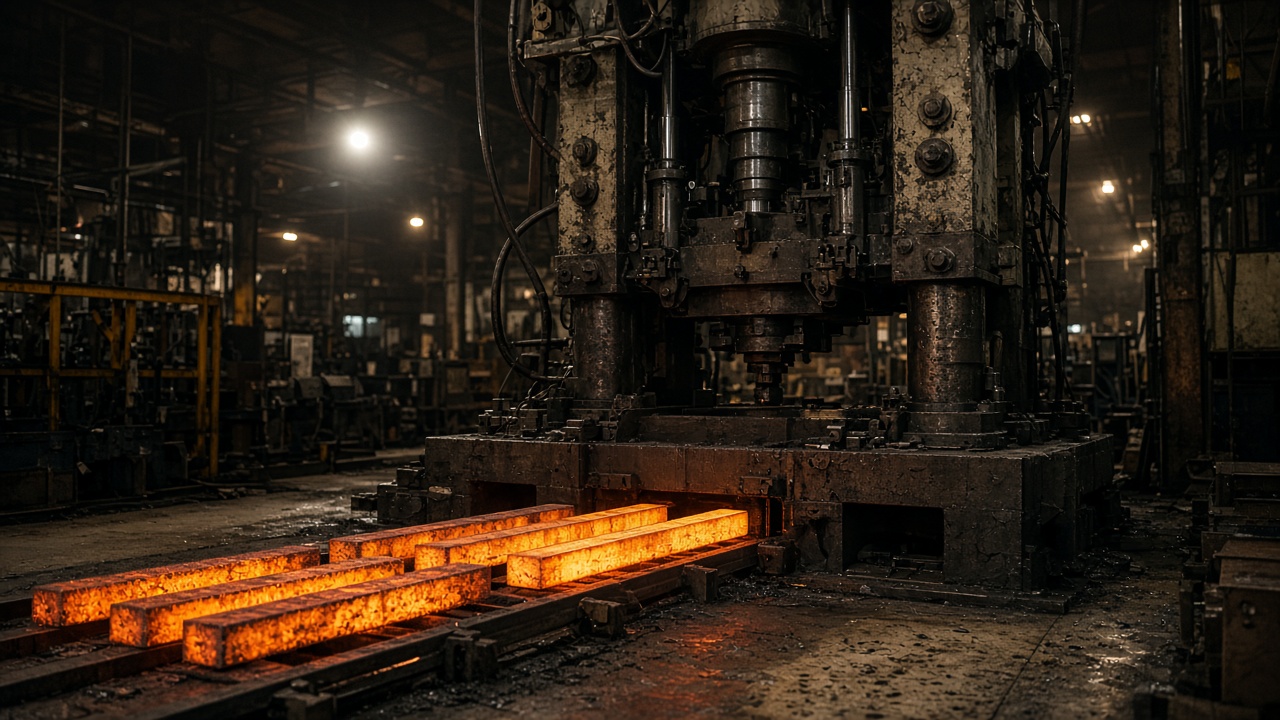
Zetwerk signed long-term export and domestic supply agreements with tier-2 forging and machining shops after Ministry of Defence production-linked incentive disbursements reached component suppliers, giving MSME forges advance purchase orders tied to aerospace tolerances they previously could not finance alone.
What Zetwerk booked
The manufacturing marketplace added seven forge partners in Rajkot, Ludhiana, and Hosur clusters, covering landing-gear brackets, missile launcher housings, and naval valve bodies. Contracts mix three-year export lanes to European tier-1 integrators with offset obligations on Indian helicopter programmes.
Zetwerk supplies metallurgical QA, CNC programming, and logistics; partner shops contribute capacity on hydraulic presses up to 6,000 tonnes. Advance payments cover alloy billet purchases that used to drain working capital before PLI cash arrived.
PLI timing
Defence PLI tranches disbursed in August after auditors verified localized content thresholds on pilot lines. Component makers told investors the cash unlocked capex for vacuum heat-treatment furnaces required by DGAQA inspectors. Zetwerk positioned itself as the aggregator that could steer those shops toward export-grade specs without each forge hiring its own Berlin or Toulouse sales office.
Officials cautioned PLI is not perpetual margin; recipients must hit export revenue ratios within five years or claw back incentives—a risk Zetwerk models in shared dashboards with partners.
Why tier-2 forges
Tier-1 defence public sector units already have order books; the bottleneck is qualified MSME forges that can hold micron tolerances on Inconel and titanium alloys. Rajkot’s auto-forge ecosystem adapted when EV orders slowed; Ludhiana shops inherited precision culture from bicycle and sewing-machine eras.
Zetwerk’s quality engineers embed for weeks, mapping each press’s harmonic signatures and scheduling third-party NDT. Shops that pass receive Zetwerk purchase order backstops large enough to justify bank limits backed by SIDBI supplier-finance schemes.
Export mechanics
European customers want AS9100 traceability; Zetwerk centralises documentation while plants stamp heat numbers locally. Shipments exit through Mundra and Chennai ports with pre-clearance pods Zetwerk runs near clusters, cutting detention that used to erase forge margins.
Currency hedging is bundled for partners below ₹50 crore turnover—an administrative lift solo forges rarely managed when selling domestically only.
Domestic defence lanes
Parallel orders feed HAL and naval dockyard schedules linked to PLI milestones on light combat aircraft and frigate programmes. Shops must keep dual lines—export and strategic—without commingling ITAR-sensitive drawings. Zetwerk’s data rooms segregate access; Indian officials audit quarterly.
Financial structure
Advance against PLI receipts flows through escrow until DGAQA release; Zetwerk takes a marketplace fee plus performance kicker on on-time export lots. Equity investors in Zetwerk see higher attach rates on working-capital products when forges stay inside its network instead of bidding blindly on GEM tenders.
Shops that miss tolerances twice rotate to probationary status; Zetwerk said it would rather shrink the network than ship lots that trigger airworthiness holds.
Risks on the floor
Alloy prices swing with LME nickel; export contracts include passthrough clauses but domestic fixed-price MOD orders do not always keep pace. Skilled NDT technicians are scarce; partners poach from each other unless Zetwerk runs shared training cohorts with ITIs.
Geopolitical shifts could chill European defence budgets, leaving forges reliant on domestic PLI ratios harder to hit.
What changes locally
Rajkot industrial estates report night-shift hiring for forge handlers; Hosur suppliers upgrade dust collection to meet aerospace audits. Banks that once refused MSME forge limits now lend against Zetwerk POs with PLI escrow visibility—a tangible credit unlock in towns politicians visit during election years.
Next milestones
First export lots ship before year-end if monsoon power dips stay manageable; Zetwerk will publish aggregate tonnage, not customer names, citing confidentiality. MOD observers want proof that PLI money translated into export receipts, not just furnace photos.
If audits fail, partners lose advance rates and Zetwerk reallocates orders to shops that cleared last quarter’s capability reviews—a competitive pressure forge owners said they accept in exchange for predictable volumes.
Supplier councils
Zetwerk is forming a tier-2 forge council to share furnace maintenance vendors and negotiate bulk alloy buys, reducing spot-market spikes that previously made export bids uncompetitive on short notice.