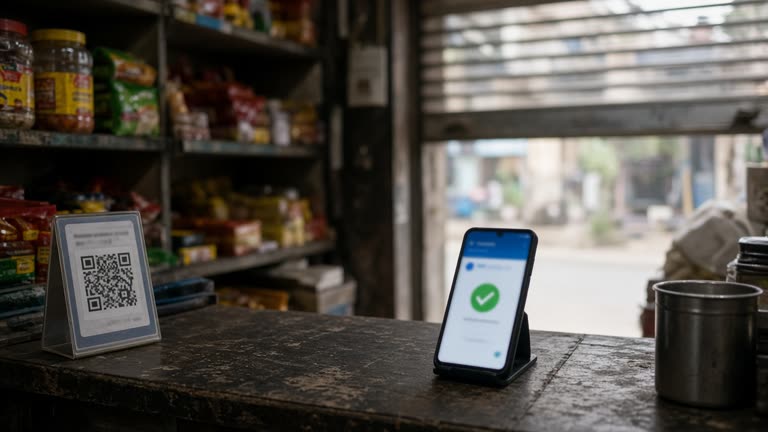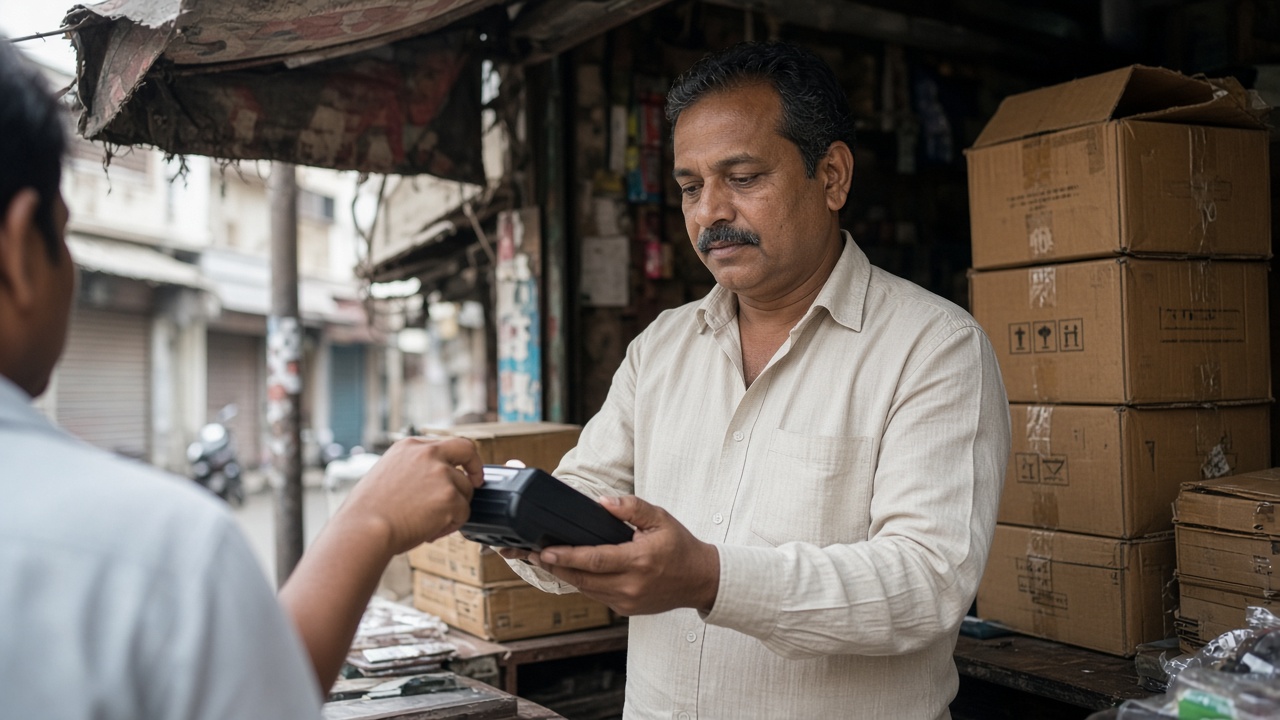
Razorpay expanded SIDBI-backed working-capital credit lines for micro, small, and medium enterprises in tier-2 cities, using payment and settlement history on its platform to underwrite loans that bank branches often slow with paperwork small exporters cannot spare.
How the product works
Eligible merchants with 12 months of Razorpay settlements can apply for revolving limits up to ₹75 lakh, collateral-light, with SIDBI taking first loss on a pooled guarantee tranche. Funds land in RazorpayX current accounts within 48 hours of digital sanction; interest tracks RBI repo-linked benchmarks plus a risk spread Razorpay adjusts quarterly based on default telemetry.
Underwriting models weigh GST invoice velocity, chargeback rates, and seasonality flags from categories like textiles and agro-processing—sectors dense in Coimbatore, Surat, and Indore corridors where the expansion focused first.
Why SIDBI partnered
Small Industries Development Bank of India has been pushing co-lending with fintechs to reach MSMEs outside metro branches. Traditional banks want audited balance sheets many family businesses lack. Razorpay’s ledger sees daily cash flow; SIDBI gains portfolio diversification while keeping exposure capped through guarantee mechanics familiar from its PSB alliances.
Officials said the tier-2 push aligns with the July credit outreach fortnight RBI governors flagged—getting working capital to job shops that fuel export supply chains without forcing owners to take day-long trips to district headquarters.
Geography and limits
The rollout covers 42 tier-2 urban centres per government classification, excluding state capitals already saturated with bank competition. Merchants must register Udyam and link GSTIN; sole proprietors without formal registration remain outside scope until onboarding UX for informal shops ships next year.
Maximum ticket sizes stay below ₹75 lakh to avoid overlapping with project finance SIDBI prefers to syndicate. Tenors run six to eighteen months with bullet options for festival inventory builds.
Risk controls
Razorpay can throttle settlements if merchants miss EMIs, a collections lever branch banks lack when borrowers hide behind multiple accounts. SIDBI audits a sample monthly for bias against newer digital-native shops versus legacy distributors.
Default data is still immature compared with decades of PSB books; both sides set conservative guarantee burn rates and will pause expansion if ninety-day delinquencies cross internal triggers disclosed to RBI’s fintech department.
Competitive landscape
Paytm and PhonePe offer merchant loans through NBFC partners but without SIDBI first-loss wraps at this scale. Banks like HDFC and ICICI court MSMEs with secured overdrafts; Razorpay targets merchants already on its rails who want one dashboard for payments and credit.
Accountants in Surat said clients welcome faster limits but worry about blending operating cash with EMI auto-debits—cash-flow training materials Razorpay hosts in Gujarati and Hindi aim to mitigate that.
Policy fit
MSME ministry schemes increasingly reward digital payment adoption; subsidised interest subvention lists may attach to SIDBI-guaranteed lines if state governments opt in. Export councils hope quicker working capital reduces missed shipping windows when rupee volatility spikes input costs.
What merchants should watch
Annual percentage rates include platform fees disclosed in sanction letters; comparing with local cooperative bank quotes still matters. Merchants exporting through letter-of-credit routes may need traditional banks for trade finance—Razorpay’s product is inventory and wage rolling, not documentary credit.
Data privacy terms let Razorpay use anonymised telemetry to tune models; merchants can opt out of marketing but not of underwriting analytics while loans are live.
Next steps
Razorpay plans co-branded outreach camps with district industries centres in October, pairing credit clinics with POS upgrades. SIDBI may raise the guarantee pool if delinquencies stay below targets through Diwali sales season—a threshold both partners said they would publish in aggregate, not per merchant.
Failure to scale would push tier-2 MSMEs back to informal moneylenders during peak production months, the outcome the programme is explicitly designed to prevent.
Onboarding friction
Merchants with split settlements across multiple payment aggregators must consolidate rails before models see complete cash-flow pictures, a step Razorpay support teams handle through importer tools that can add a week to first disbursement.
Reporting to regulators
Razorpay files aggregated portfolio performance to RBI’s fintech reporting cell quarterly, including geographic concentration and sector mix, so supervisors can compare digital co-lending outcomes with PSB MSME books without accessing merchant-level PII.