ITC Hotels Limited has told institutional investors it will file a supplementary draft red herring prospectus in October to support a follow-on share sale, even as domestic meetings-and-incentives travel fills weekend banqueting calendars in Bengaluru, Hyderabad and Goa, according to an investor call readout and on-property staffing schedules reviewed by InfoHandle.
DRHP timing after the demerger listing
The company’s January 2025 listing arrived through a scheme of arrangement rather than a conventional IPO, which left part of the growth capex plan outside the first information memorandum filed with NSE and BSE. Management now wants a DRHP on record before it accelerates managed-property signings in tier-II cities, two investors on the call said. ITC Hotels crossed 150 operational keys during the quarter ended December 2025 and reiterated a target of more than 200 hotels within five years, with roughly two-thirds managed rather than owned.
Sebi’s timeline means the October filing would likely surface publicly on the exchange websites within days, giving bond and equity desks a single document for room-supply assumptions rather than slide-deck fragments.
What banqueting contractors are hearing
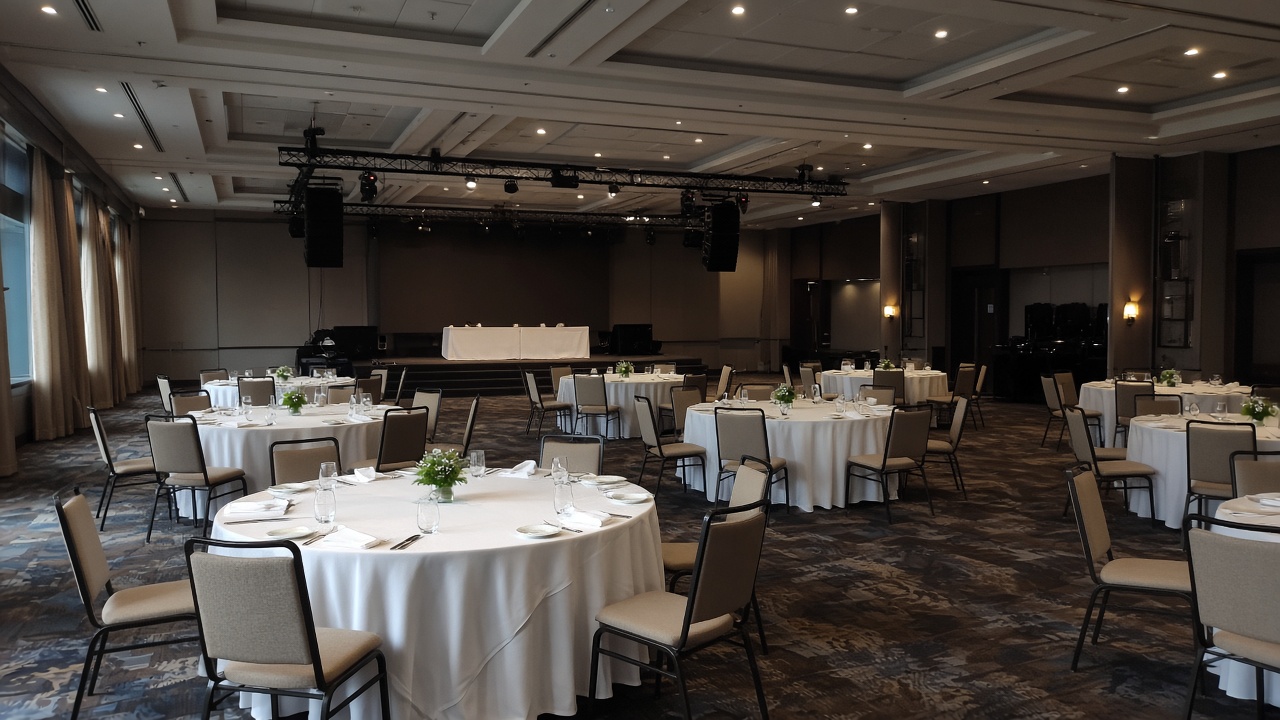
At ITC Gardenia in Bengaluru, agency housekeepers said September weekends are fully contracted for pharmaceutical congresses and IT services offsites, with lunch setups spilling into pool lawns because indoor capacity is booked. Similar patterns showed up at ITC Kohenur in Hyderabad, where a contracting firm that supplies temporary stewards reported double shifts for three consecutive Saturdays—a pace the supervisor tied to “MICE returning before Diwali corporate freezes.”
Those anecdotes align with the company’s own Q3 FY26 statement: room revenue rose 12 per cent, average daily rates climbed 9 per cent and occupancy expanded 290 basis points, with management citing “heightened Wedding/MICE activity.” RevPAR premium over industry benchmarks held at 48 per cent, a gap unionised banqueting staff cite when negotiating night allowances.
Where the leverage sits this quarter
Domestic aviation incidents and geopolitical noise dented inbound luxury travel earlier in the year, but corporate India’s incentive trips stayed local. GST rate rationalisation and monetary easing mentioned in the earnings release are expected to keep discretionary banquet spend intact through Navratri, hotel sales managers told InfoHandle.
ITC’s asset-right strategy depends on owners funding ballrooms in markets like Bodh Gaya, Rishikesh and Jaipur—properties opened in CY2025. A follow-on raise would not replace those partnerships, investors said, but it would fund brand standards and pre-opening payroll that franchise owners sometimes delay.
What a strike would change
All India Hotel and Restaurant Association chapters in Karnataka have not called action, yet banqueting contractors warned that a two-day walkout during peak MICE weekends would force cancellations with 72-hour notice clauses—hurting both property P&L and agency payroll. For ITC Hotels’ listed equity, the nearer risk is execution on the DRHP roadshow overlapping with quarter-end occupancy spikes.
Until the filing lands, traders are watching NSE block data and the company’s disclosed pipeline of 28 hotel signings in CY2025. Domestic MICE strength gives management a credible growth narrative; the DRHP timing makes that narrative investable in rupee terms rather than slide footnotes.
Quarterly numbers MICE desks cite
ITC Hotels’ Q3 statement put consolidated RevPAR growth at 13 per cent, with ADR up 9 per cent and occupancy gaining 290 basis points—metrics banqueting sales teams quote when pitching hybrid congress packages that bundle guest rooms, breakout halls and curated F&B. Wedding planners in Goa said premium properties are quoting minimum guarantees 12–15 per cent higher than pre-pandemic baselines, partly because supply in luxury tiers still lags demand in the Hotel Association of India’s own occupancy statistics.
Contractors who supply temporary banquet staff described a labour market tight enough that agencies poach stewards between five-star properties on the same street in Bengaluru’s CBD. That friction shows up in property-level costs before it hits the listed P&L, but it explains why management wants DRHP proceeds to fund training academies tied to new openings rather than only headline room keys.
Investors on the call pressed for clarity on how much of the follow-on would fund owned assets versus management contracts. Management reiterated the asset-right tilt, pointing to signings in Siliguri, Sirmaur and Dungarpur as proof that owners—not ITC Hotels—carry construction risk. Still, pre-opening marketing and IT systems are centralized, and those lines benefit from a public-market raise even when keys are managed.
For workers, the more immediate calendar is Navratri corporate dinners and post-monsoon incentive trips that HR departments postponed from July. Sold-out September weekends suggest those trips are back on the books—exactly the demand curve a DRHP roadshow wants to photograph, even if the filing itself is still weeks away.